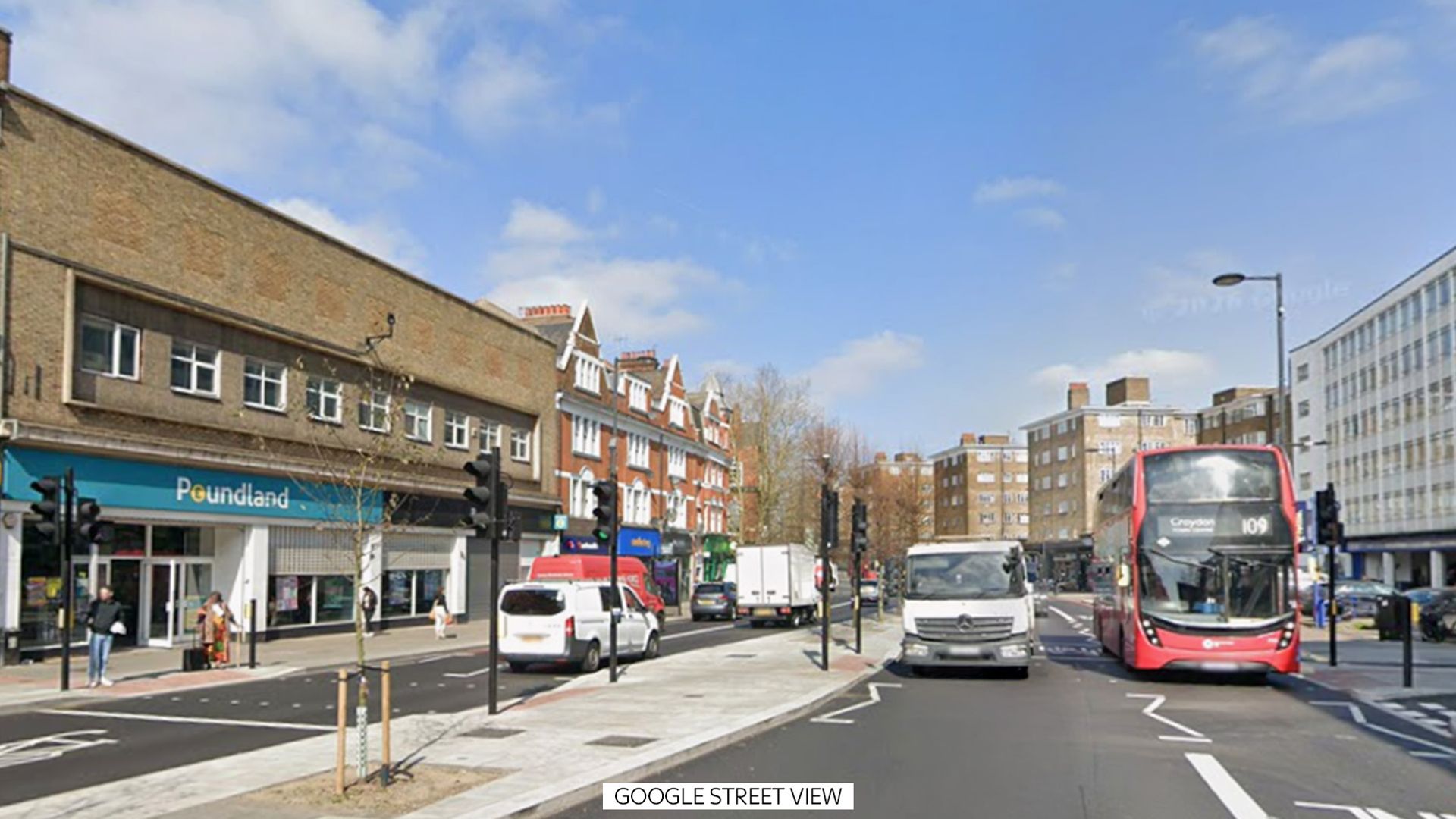
A Metropolitan Police van strikes a pedestrian. The pedestrian suffers life-changing brain injuries. Years later, the Met cuts a check for £1.3 million to settle the civil claim.
The media runs the standard playbook. Outrage over police driving standards. Sympathy for the victim. A neat, tidy narrative wrapping up a tragic accident with a massive payout.
They are missing the entire point.
This settlement is not a victory for accountability. It is a loud, blinking neon sign flashing a systemic failure. We are looking at a legal structure that treats catastrophic state negligence as a predictable cost of doing business. By treating these payouts as a routine insurance resolution, the current framework actively shields public institutions from genuine structural reform.
The Anatomy of a High-Value Settlement
When a public body settles a catastrophic injury claim for seven figures, the public assumes justice has been served. The math seems simple: big injury equals big check.
But look closer at how these calculations actually happen.
In English tort law, personal injury damages are compensatory, not punitive. The goal is to return the claimant to the position they would have been in had the tort not occurred. In a £1.3 million settlement, the bulk of that cash is not a windfall or a penalty. It is a strictly calculated cold mathematical reality designed to cover lifetime care, loss of earnings, and specialized accommodation.
- General Damages: Pain, suffering, and loss of amenity (PSLA). This is actually the smallest slice of the pie, capped by strict judicial guidelines.
- Special Damages: Financial losses incurred up to the trial date.
- Future Loss: The real driver of seven-figure sums. Actuarial tables calculate how many decades of private medical care, occupational therapy, and architectural modifications the claimant requires.
When the Met Police pays £1.3 million, they are not being punished. They are simply funding a private care regime because the state mechanism they represent broke a human being. The money is outsourced directly to insurers or drawn from central risk pools. The officers involved rarely feel the financial pinch in their operational budgets. The taxpayer absorbs the hit, the lawyers take their cut, and the institutional culture remains completely untouched.
The Lazy Consensus of Institutional Apologies
Every time a story like this breaks, the institutional response is identical. "We accept the findings," or "Lessons have been learned."
It is a corporate script designed to defuse public anger.
[Incident Occurs] -> [Internal Investigation] -> [Delay Tactics] -> [Out-of-Court Settlement] -> [Vague Statement of Regret]
This cycle creates a moral hazard. If a commercial delivery fleet had drivers consistently striking pedestrians and racking up millions in liabilities, their premiums would skyrocket to the point of insolvency. They would be forced to ground the fleet, overhaul telemetry, or face bankruptcy.
Public entities operate outside these market forces. They possess an infinite runway backed by public funds. An out-of-court settlement allows the Met to bypass a public trial where systemic training failures, scheduling fatigue, or faulty vehicle maintenance logs would be dragged into the light. It is legal damage control masquerading as accountability.
Dismantling the Myths of Personal Injury Litigation
The public narrative surrounding these cases is warped by a few fundamental misunderstandings. Let us correct the record immediately.
Myth 1: Big payouts mean the victim is taken care of for life.
The reality is far more brutal. A £1.3 million lump sum in an era of high inflation and soaring healthcare costs can evaporate surprisingly fast. If the claimant requires 24/7 care, that capital is depleted rapidly. The legal system often pushes for lump sums because it allows the defendant to close the file, whereas Periodical Payment Orders (PPOs)—annual payments adjusted for inflation—force the state to carry the risk long-term.
Myth 2: Settling out of court proves the system works efficiently.
Settling on the steps of the court usually happens after years of grueling, adversarial litigation. The defense often spends years disputing liability or minimizing the extent of the brain injury via competing medical experts. This delay tactic wears down the claimant, reduces their expectations, and saves the institution from early, transparent admissions of guilt.
The Downside of Pushing for Total Transparency
If we reject the current settlement model, what is the alternative? The obvious answer seems to be forcing every case to a full public trial.
But there is a sharp double-edged sword here.
Forcing every catastrophic injury claim through a full court battle would paralyze the civil justice system. It would expose victims to brutal cross-examinations by state lawyers trying to prove preexisting conditions or contributory negligence. It would delay vital care funding for decades.
The tension is clear: settlements protect the victim from psychological warfare and secure funding faster, but they simultaneously protect the state from the public reckoning required to force operational change.
How to Actually Fix State Negligence
Stop asking how much money a victim received. Start asking how many senior managers lost their jobs as a direct result of the payout.
If we want to stop police vehicles from running down citizens, we have to change the financial incentives inside the institution.
- Deduct Settlements from Operational Budgets: If a specific basic command unit incurs a £1.3 million liability due to gross negligence, that money should be stripped directly from their local tech, equipment, or overtime budgets. When negligence starves a department of resources, peer pressure and management oversight tighten instantly.
- Mandatory Independent Audits Post-Settlement: Any civil payout over £500,000 should trigger an automatic, independent safety overhaul of the unit involved, bypassing internal professional standards departments entirely.
- End Personal Immunity for Gross Deviations: While officers need protection during high-speed chases of violent criminals, the threshold for civil immunity during routine transport must be raised. If a driver operates outside standard operating procedures, they should face personal financial exposure.
We have built a legal apparatus that treats human collateral as a line-item expense. Until the financial pain of negligence outweights the bureaucratic convenience of secrecy, the state will keep cutting checks, and the vans will keep hitting pedestrians.