The numbers are officially in, and they're terrifying. The contiguous United States just staggered through its hottest summer in 132 years of modern record-keeping. When the National Oceanic and Atmospheric Administration dropped the data confirming a June-through-August average of 74.4°F (3.0°F above the twentieth-century average), it wasn't just another weather update. It was a flashing red light for an energy grid and infrastructure that simply wasn't built for this kind of sustained thermal assault.
If you spent any time outdoors across the West, Southwest, or southern plains this past season, you already knew this in your bones. You didn't need a thermometer to tell you the air felt like an open oven. But looking at the cold, hard statistics reveals a pattern that should make everyone sit up and pay attention.
The Numbers Behind the Sweat
Let's look at what actually happened. July 2026 didn't just feel miserable; it clocked in as the single hottest month ever recorded in U.S. history, averaging a blistering 76.9°F nationally. August followed suit by smashing its own historical ceiling at 75.6°F.
What makes this summer different from historical heatwaves like the infamous Dust Bowl summer of 1936 isn't just the daytime spikes. It's the nights.
Overnight minimum temperatures averaged 64.2°F across the country, obliterating previous nighttime heat records. That means the air never cooled down. Your body never got a break. Buildings held onto the heat, forcing air conditioning units to run 24/7 without respite. When nighttime temperatures stay artificially high, urban heat islands turn into literal pressure cookers. Human bodies don't get the biological recovery time required to cope with extreme heat stress.
States like California, Nevada, New Mexico, and Colorado didn't just experience warm spells—they shattered all-time August and summer temperature benchmarks. Wyoming recorded its hottest July and warmest month ever documented, with temperatures sitting a staggering 6.3°F above normal.
Why This Record Breaks the Old Rules
We used to view extreme heat as an anomaly. A bad summer here, a dry drought year there, followed by a return to baseline. That framework is dead.
Four of the hottest summers in U.S. history have now occurred within the last five years. Think about that. The anomaly is the new baseline. Climatologists point straight to human-driven greenhouse gas emissions as the primary engine driving this freight train.
When scientists like Andrew Dessler from Texas A&M University say it is time to stop acting surprised, they're right. We predicted this decades ago. The atmosphere is reacting precisely how physical chemistry dictates it should when you trap massive amounts of heat.
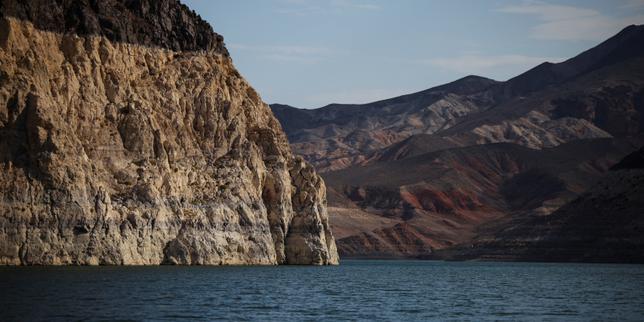
Yet, public policy and urban planning lag years behind. Power grids in states unaccustomed to this level of continuous demand came dangerously close to rolling blackouts. Water reservoirs in the Southwest dropped to critical thresholds. Agriculture took a massive hit as soil moisture evaporated rapidly under relentless sunshine, pushing large swaths of the country into severe drought categories.
What You Can Actually Do Right Now
Sitting around and waiting for local governments to overhaul regional climate policy won't keep your house cool or lower your monthly energy bill. If you want to survive the next recurring heat siege, you have to adapt your immediate environment.
First, audit your home's thermal envelope. Most people lose thousands of dollars of cooled air through terrible window seals and subpar attic insulation. Upgrading your roof insulation acts as a shield, preventing radiant attic heat from flooding your living space.
Second, rethink how you cool. If you're running old air conditioning units past their prime, replace them before next summer hits. Look into smart thermostats that preemptively cool your home during off-peak energy hours. Consider investing in window films that block solar heat gain before it ever touches your glass panes.
Finally, check on your neighbors. Extreme heat kills more people annually than almost any other weather-related hazard, and the victims are disproportionately elderly or vulnerable. Community resilience matters more than ever when the weather turns hostile.
The 20th-century climate is gone. We are living in a new thermal reality, and pretending things will just go back to normal next year is a losing strategy. Take inventory of your home, brace your local infrastructure, and prepare for the new normal.