History isn't always written down. Sometimes, it is pulled out of a gravel pit by an industrial excavator.
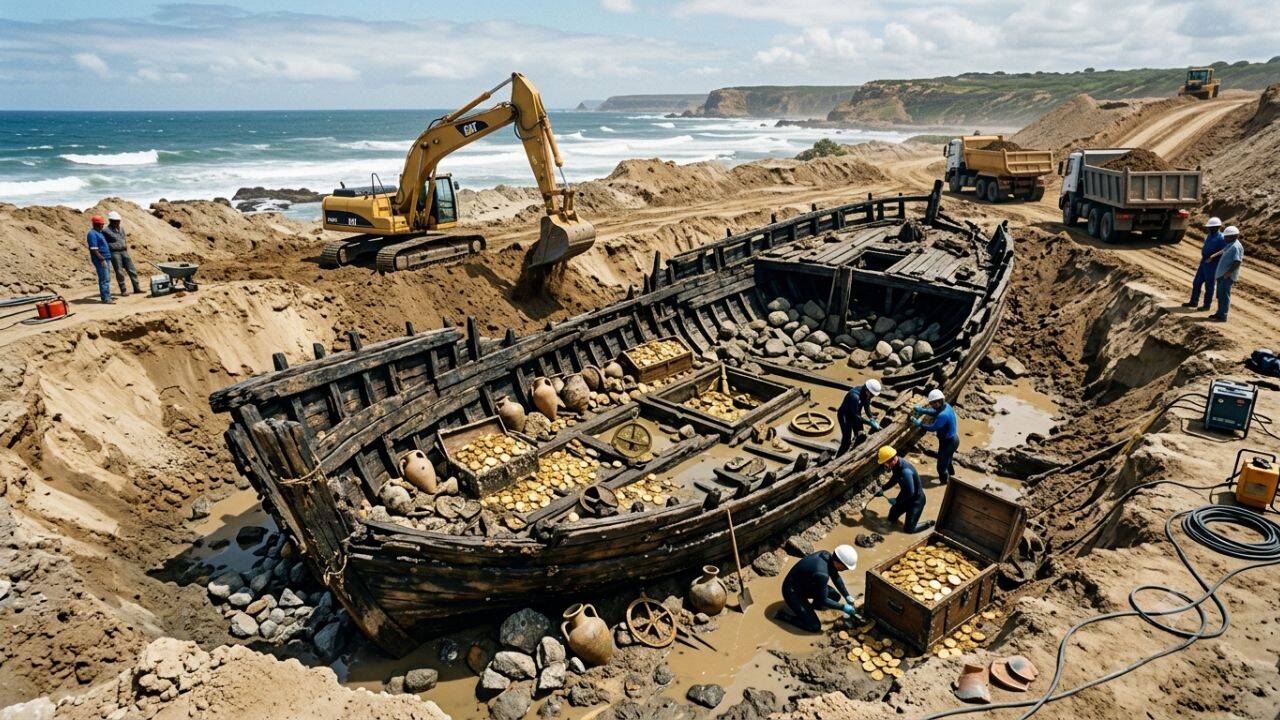
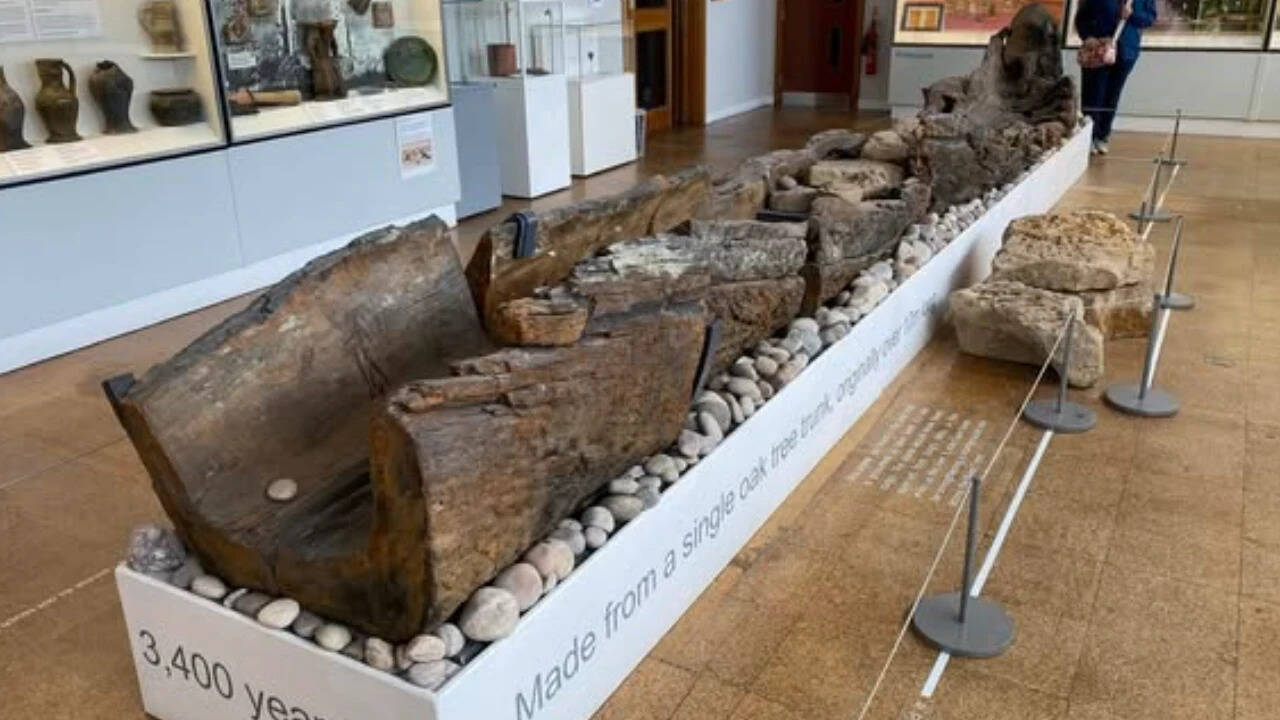
When workers at a quarry near Shardlow in Derbyshire struck a massive piece of waterlogged timber back in 1998, they nearly destroyed a ghost from the Middle Bronze Age. That accidental collision revealed a 10-meter-long dugout boat carved from a single, ancient oak tree. Dated to roughly 3,400 years ago, the Hanson log boat didn't just give museums an impressive artifact. It cracked open the hidden prehistory of the River Trent, rewriting how archaeologists understand ancient engineering, trade networks, and human survival in the British floodplain.
If you think ancient rivers were just quiet backdrops for primitive fishing, look closer. The Trent Valley holds layers of human history that stretch back millennia, and this single watercraft anchors a massive puzzle of environmental shifts and societal grit.
The Forest Giants That No Longer Exist
You can't build a 10-meter boat from modern British timber. It is physically impossible.
The oak tree used for the Shardlow vessel grew in a primeval "wildwood" ecosystem. These weren't the managed, spaced-out woodlands you see today. These were dense, ancient forests where trees had to race straight up toward a high canopy just to capture sunlight. That vertical competition produced straight, flawless timber trunks spanning centuries of undisturbed growth.
When Bronze Age craftspeople felled that oak—likely using primitive bronze axes and fire—they were working with a raw material that vanished from the British landscape long ago due to heavy deforestation and agricultural expansion.
Working stone or bronze tools against old-growth oak required staggering patience. Every inch of the hull was laboriously chopped, scraped, and hollowed out by hand. You're looking at hundreds of hours of coordinated physical labor just to create a functional hull.
A Cargo of Stone and Lost Rituals
The boat wasn't empty when it sank into the river silt. It carried half a ton of Bromsgrove sandstone blocks, quarried a few miles away at Kings Mills.
Why haul heavy rocks down the Trent? Archaeologists believe these stones were destined to reinforce a timber causeway crossing the river. Prehistoric communities weren't just nomadic wanderers; they actively engineered their local geography, building infrastructure to manage seasonal floods and connect marshy banks.
Waterways held profound spiritual significance during the Bronze Age. Rivers were boundaries, transit routes, and sacred spaces all at once. Along the Trent Valley, quarrying operations haven't just turned up boats; they've repeatedly uncovered bronze spears, swords, and axes deliberately thrown into the water.
Think of these deposits as ancient equivalents of tossing coins into a fountain, except the currency was high-status weaponry offered to gods or ancestors. The log boat sits at the center of this web, linking utilitarian trade with sacred landscape management.
What Sediment Cores and Pollen Tell Us
A boat tells you how people traveled, but it doesn't explain why they eventually abandoned or lost it. To get the full picture, modern geoarchaeologists look at the mud.
Recent collaborative research across the Trent Valley—drawing on pollen samples, animal bones, and deep sediment layers—paints a vivid picture of a changing climate. Around the mid-Bronze Age, Northwestern Europe entered a significantly wetter phase. Storms increased. Rivers swelled. Low-lying settlements faced catastrophic, recurring floods.
The Shardlow boat itself was eventually buried five meters deep beneath river gravels during a massive flood event.
By analyzing microscopic pollen grains trapped in those surrounding layers, researchers track how local populations adapted. As forests shrank to make room for crops, soil runoff altered the river's flow. The Trent became wider, wilder, and harder to control. Communities had to constantly shift their settlement patterns, adjusting to a dynamic ecosystem that refused to stay still.
Preserving a Prehistoric Leviathan
Rescuing a 3,400-year-old wooden artifact from the ground is only half the battle. Once wood stays waterlogged for millennia, the water basically becomes the structural skeleton. Let it dry out too fast, and it shrinks, cracks, and turns to dust.
The conservation of the Hanson log boat cost over £100,000 and took years of meticulous chemical treatment. Specialists at the York Archaeological Trust immersed the massive sections in polyethylene glycol for over a year. This wax-like substance slowly replaced the water inside the cellular structure of the oak, stabilizing the ancient fibers before controlled drying could begin.
Today, the reassembled vessel sits in the Derby Museum and Art Gallery, accompanied by the very sandstone blocks it carried down the river centuries ago.
A second log boat discovered at the same quarry years later was intentionally reburied in the water table to let nature handle its long-term preservation safely. Archaeologists know that leaving certain artifacts buried in oxygen-free silt is often safer than exposing them to modern museum environments.
Looking Beyond the Mud
Finds like the Trent log boats force us to rethink the scale of prehistoric engineering. We often underestimate societies that didn't leave behind stone pyramids or written texts. Yet these boatbuilders understood hydrology, wood mechanics, and structural design well enough to navigate turbulent rivers using tools forged from stone and early bronze.
Next time you cross a bridge over a quiet English river, remember what lies beneath the gravel beds. Thousands of years of shifting channels, forgotten trade routes, and monumental human effort are packed into the silt, waiting for the next accidental discovery to bring them back to the surface.