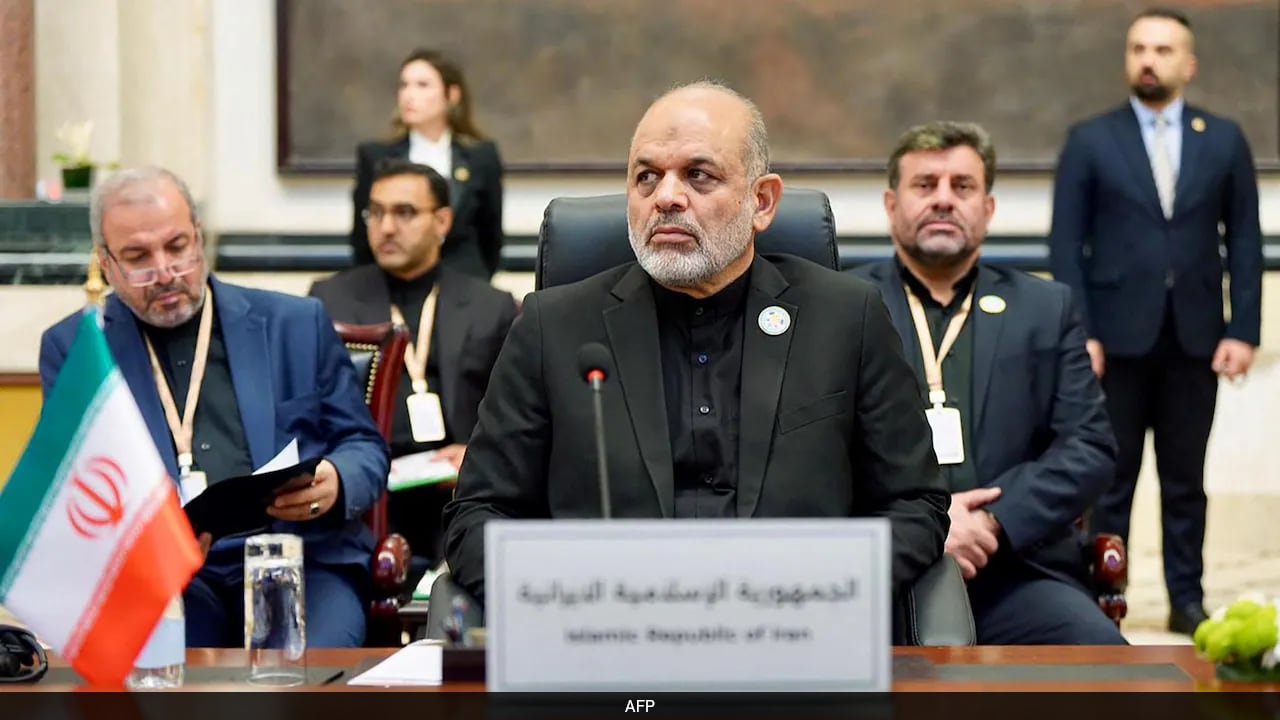
Surviving the brutal power corridors of Tehran isn't about luck. It requires a rare blend of absolute ideological loyalty, deep intelligence networks, and a cold instinct for self-preservation. Ahmad Vahidi has all three. While other commanders have come and gone, caught in the crosshairs of regional wars and internal purges, Vahidi keeps rising. Now, as the commander-in-chief of the Islamic Revolutionary Guard Corps, he sits firmly at the helm of Iran's military apparatus. You need to understand who this man really is because his trajectory dictates where Tehran is heading next.
Most Western analyses treat Iran's military leadership as a revolving door of interchangeable hardliners. That's a mistake. Vahidi isn't just another general barking orders from a secure bunker. He is a foundational architect of the Islamic Republic's entire security state.
The Origins of a Hardline Strategist
Back in 1979, the Islamic Revolution reshaped Iran, and Vahidi jumped into the newly formed IRGC right at the ground floor. He didn't wait around for a title. He started climbing through the intelligence ranks during the chaotic years of the Iran-Iraq War.
By the late 1980s, he took charge of the newly minted Quds Force—the elite extraterritorial wing of the IRGC. Before Qasem Soleimani became a household name across the globe, Vahidi was the man laying the groundwork for Iran's regional proxy networks. He set up the operational blueprint for how Tehran projects power beyond its borders.
What makes Vahidi different from his predecessors is his bureaucratic staying power. He isn't merely a battlefield commander. He understands how to navigate the murky waters of Iranian domestic politics.
Moving Through Ministries and Power Centers
Look at his resume over the last two decades. It reads like a masterclass in institutional capture.
- Served as Minister of Defense under Mahmoud Ahmadinejad from 2009 to 2013.
- Headed the Supreme National Defense University, where he focused on militarizing state governance.
- Managed the Ministry of Interior under the late President Ebrahim Raisi, overseeing internal security and domestic policing apparatuses.
That interior ministry post is critical. It put him in direct control of the domestic law enforcement agencies responsible for cracking down on nationwide protests. When anti-regime movements erupted, Vahidi deployed the full weight of the state to crush them. He knows how to fight enemies abroad, and he knows how to silence dissidents at home.
Surviving the Regional Firestorm
The leadership of the IRGC has become a high-fatality post. Recent regional escalations and direct strikes have wiped out successive layers of Iran's senior military leadership. When previous commanders were killed, the regime needed someone who wouldn't flinch.
Vahidi stepped into the deputy role and then took the top job as commander-in-chief. He took over an organization battered by targeted assassinations and wartime devastation. Instead of fracturing, the command structure pivoted. Vahidi relies on a tight-knit circle of old-guard veterans who trust his institutional memory.
International courts and foreign governments view him through a very different lens. Interpol red notices and heavy Western sanctions have targeted him for decades, notably tied to historical terrorism allegations like the 1994 AMIA Jewish community center bombing in Buenos Aires—charges he has consistently denied or ignored while moving freely through allied corridors. Yet, global condemnation has only insulated him further within Tehran's paranoid political culture.
What Comes Next for the IRGC
If you are trying to guess Tehran's next diplomatic or military move, watch Vahidi's actions closely. He isn't interested in opening up to the West. His entire career is built on the doctrine of resistance, domestic surveillance, and asymmetrical warfare.
He continues to block moderate political attempts to dilute hardline influence within critical security ministries. He ensures that the IRGC retains its stranglehold over Iran's economy, missile programs, and regional proxies.
Expect zero internal softening. As long as Ahmad Vahidi holds the reins, the Islamic Revolutionary Guard Corps will double down on absolute domestic control and uncompromising regional posture. He survived every political earthquake in modern Iranian history by being the hardest man in the room. Now, he's steering the whole ship.