Nearly 400 specialist physicians in Alberta have raised their hands to test out a brand new way of practicing medicine. They aren't leaving the public grid entirely, but they want out of the single-payer monopoly.
The Alberta government revealed that close to 400 doctors submitted expressions of interest over the summer to join the province's upcoming dual practice system. Under this model—enabled by the passage of Bill 11, the Health Statutes Amendment Act—eligible specialists can perform privately paid elective surgeries, such as hip and knee replacements, while maintaining a commitment to public healthcare hours. If you enjoyed this post, you might want to check out: this related article.
Critics call it the death of universal medicare. Proponents call it overdue flexibility. Whatever side you land on, the numbers show a medical workforce eager for alternatives.
What Alberta's Dual Practice Model Actually Changes
For decades, the Canadian medical landscape operated under a strict boundary: doctors bill the public system, or they opt out completely, which is a rare and difficult path. Alberta is rewriting those rules. For another perspective on this development, check out the latest update from Mayo Clinic.
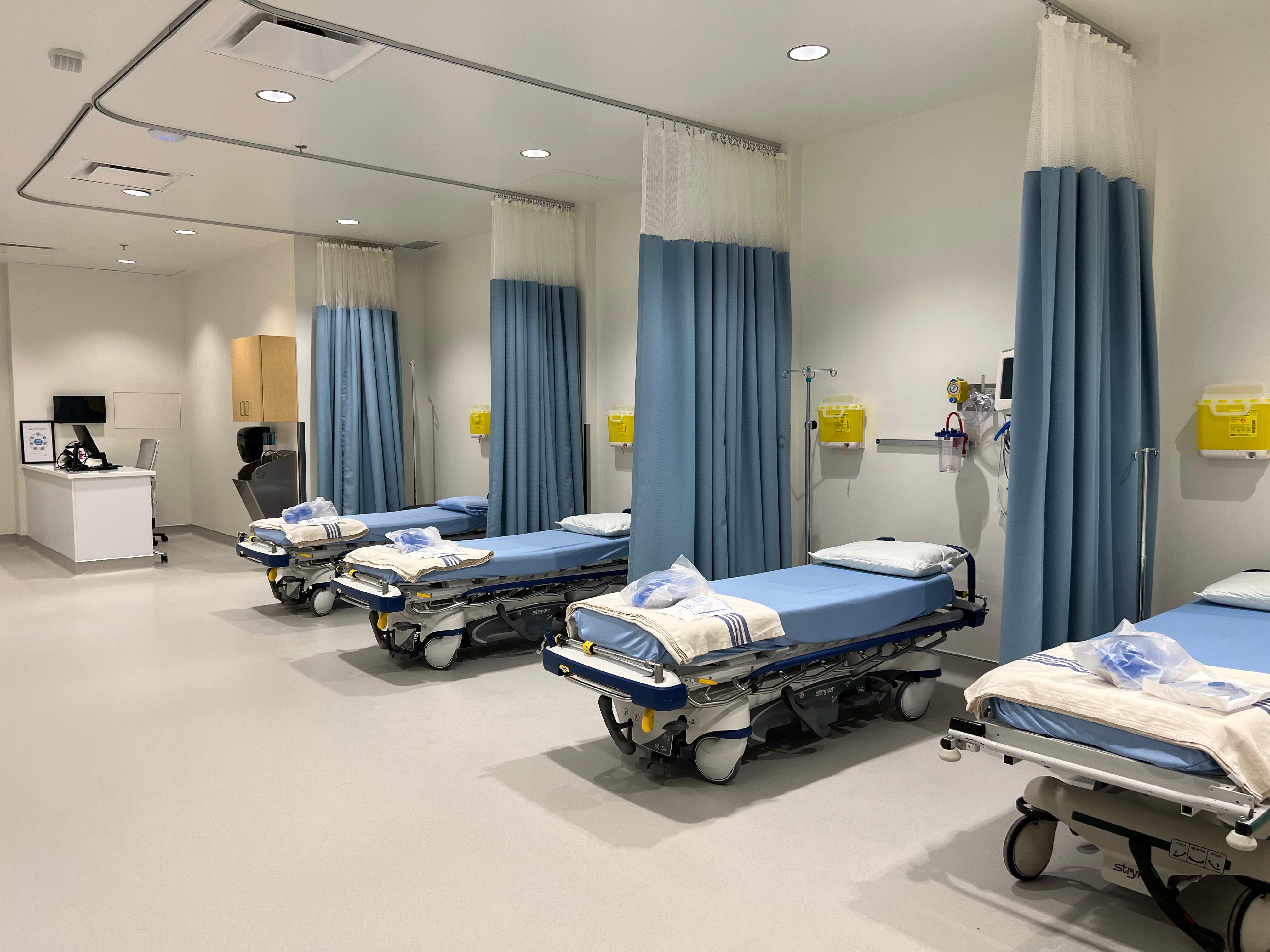
Starting this fall, participating physicians can divide their time between public operating rooms and approved private facilities. It is not a free-for-all. The Ministry of Hospital and Surgical Health Services insists that strict guardrails apply. Doctors must fulfill mandatory public surgery hours before they are allowed to touch private-pay cases.
Maddison McKee, a spokesperson for Minister Adriana LaGrange, noted that the state is sifting through these initial 400 expressions of interest to prepare for formal applications. They are checking public hour quotas, monitoring compliance, and reviewing reporting frameworks. Real rollout is slated for later in the autumn.
Why So Many Doctors Are Raising Their Hands
You might wonder why hundreds of specialists are willing to court political controversy. The answer comes down to professional autonomy and burnout.
Dr. Bolu Ogunyemi, president of the Canadian Medical Association, pointed out the obvious reality. Doctors across Canada are exhausted. They feel boxed out of administrative decisions and trapped by bureaucratic gridlock. Delivering care outside traditional hospital walls offers a level of efficiency and control that many specialists crave.
Alberta Premier Danielle Smith has leaned heavily into this argument, noting that patients shouldn't have to pack their bags and travel out of province—or out of the country—to pay for surgeries they can't get quickly at home. If local specialists can safely expand surgical capacity without abandoning the public purse, the government wants to harness that energy.
The Firestorm of Opposition
Not everyone is popping champagne. Advocacy groups and opposition politicians are framing the policy as a dangerous Americanization of Canadian healthcare.
The Canadian Health Coalition and provincial NDP critics argue that letting doctors split their time will drain vital resources away from public hospitals. When skilled surgeons split their focus, public waitlists could theoretically grow longer, favoring patients who can afford to skip the queue with cash.
Pressure is mounting on federal Health Minister Marjorie Michel to step in and penalize Alberta under the Canada Health Act. While federal officials have held targeted discussions with provincial counterparts to ensure public principles remain intact, no hard block has been deployed.
What Happens Next on the Ground
We are about to find out if dual practice can actually clear backlogs or if it simply fractures the workforce.
The formal application window opens in mid-September. Every single doctor who applied during the summer exploratory phase now has to prove they meet the strict administrative thresholds before performing a single private procedure.
If you are a patient waiting for an orthopedic procedure in Alberta, keep your eyes on how many specialists clear this vetting process. The success or failure of this experiment depends entirely on whether those 400 doctors actually manage to increase overall surgical volume or just shuffle the same exhausted staff between two different doors.