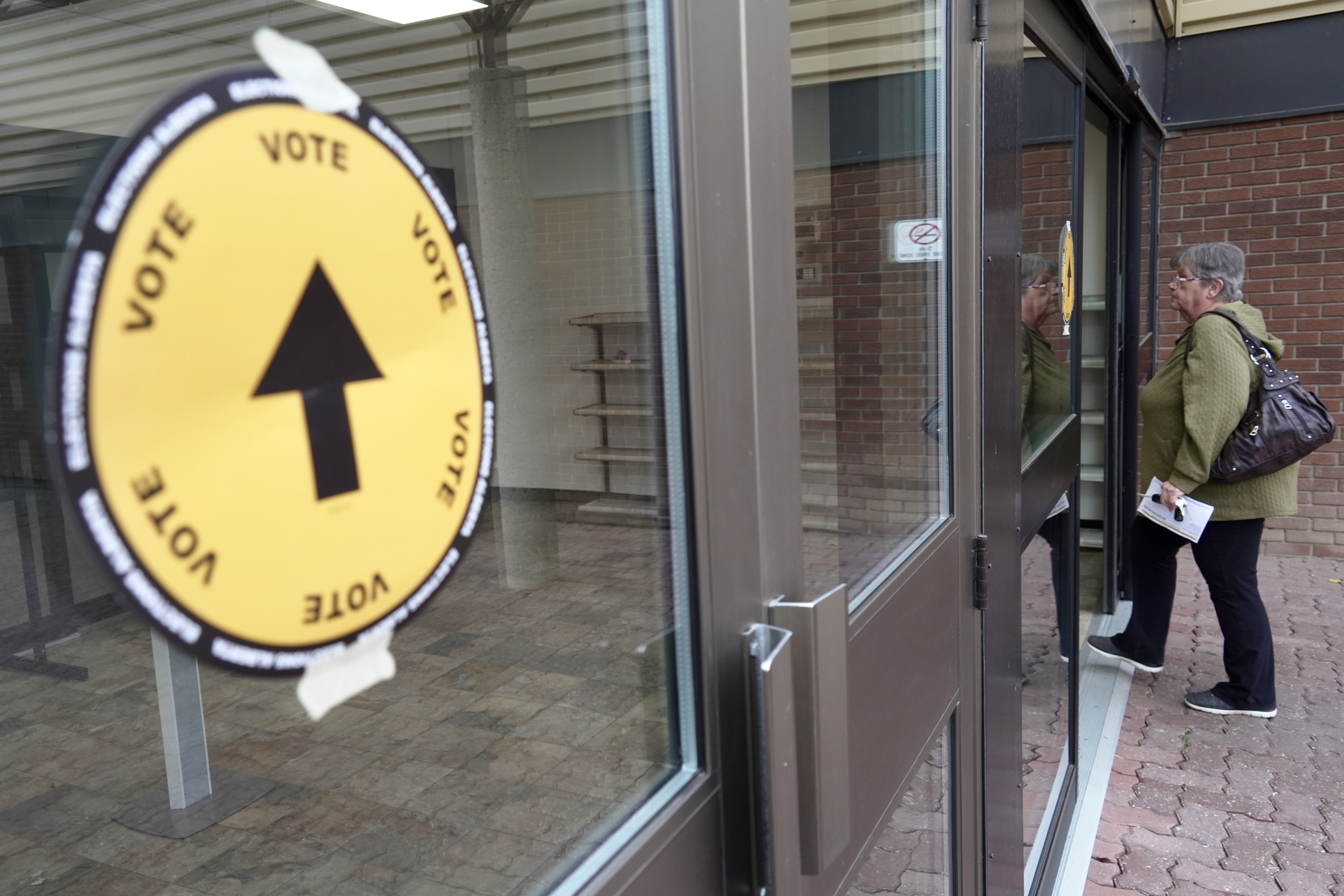
If you only read the surface-level national headlines, you would think Alberta just dodged a political earthquake.
When official figures landed after the October 19 provincial referendum, 74.95% of voters backed staying in Canada. Three-quarters of the electorate told separatist organizers no. On paper, it looks like a decisive knockout blow for Western separation.
Look closer at the numbers and the political backdrop. The real story isn't that Albertans love the federal status quo in Ottawa. They don't. The real story is how Premier Danielle Smith's United Conservative Party used a ten-question referendum ballot to let residents blow off steam without actually tearing up the country.
I've watched Western Canadian alienation bubble up for decades. It spikes whenever federal policies hit energy corridors or agricultural exports. This vote wasn't a sudden surge toward statehood. It was a calculated legal pressure valve—and its outcome tells us far more about Alberta's leverage inside Canada than outside it.
The Numbers Behind the High Turnout
The referendum drew a massive turnout of over 67%. That's roughly seven percentage points higher than the province's 2023 general election. Hand-counting millions of physical paper ballots pushed final official tallies into late October, keeping the province on edge for days.
Voters weighed in on ten separate items ranging from immigration control to legal appointments and citizen ID requirements.
Question 10 asked whether Alberta should stay in Canada or begin the legal process toward a binding separation referendum. The answer came back razor-sharp:
- Remain in Canada: 74.95%
- Pursue Separation Process: 25.05%
Notice that one-in-four split. While 25% wasn't anywhere near enough to push separation forward, it represents a firm, vocal core of the provincial population. Separatist organizers like Keith Wilson and Jeff Rath admitted the defeat was clear, yet they noted that hundreds of thousands of people openly endorsed exploring a exit path.
Prime Minister Mark Carney framed the result as a triumph for national cohesion, declaring at rallies that Albertans chose unity. That's true on the surface, but it misses why people voted the way they did.
What Ottawa Keeps Getting Wrong About Western Alienation
Eastern media often treats Western grievance like a temporary tantrum that vanishes the moment a vote ends. That misunderstands the economic engine of Alberta.
For years, ranchers, oil patch workers, and suburban business owners in Calgary and Edmonton have felt like cash cows for the federal treasury. Local voters point to federal transfer payments, federal environmental regulations, and resource transport restrictions as proof that Ottawa takes Western revenue while stifling Western industry.
Dustin Degenhardt, a voter from Wainwright, put it bluntly on election day when he told reporters that Alberta gets treated like a colony where Ottawa takes without returning. That mindset isn't confined to hardline separatists. It exists among moderate conservatives who voted "No" on separation.
They don't want a new passport or a brand-new currency. They want equal say over their own resources and lower federal overreach.
When voters were given options to assert provincial control short of breaking up the country, they backed them:
- Immigration Priorities (Question 1): Passed with 54.86% approval, backing increased provincial authority over immigration quotas.
- Provincial Program Eligibility (Question 2): Passed with 52.46% approval, restricting provincially funded social programs to citizens and approved status holders.
- Voter Identification Rules (Question 5): Passed with 58.06% approval, demanding explicit proof of citizenship at provincial ballot boxes.
Yet when it came to messing with the Canadian Constitution—like changing judicial selection or opting out of federal programs—Albertans drew a hard line, rejecting Questions 6 through 9 with majorities between 52% and 57%.
Voters basically said: Fix local administration, protect our jobs, but stop trying to re-engineer the legal system.
The Strategy Behind Danielle Smith's Ten Questions
Premier Danielle Smith walked a tightrope leading into this vote. Her ruling United Conservative Party (UCP) contains a vocal, highly organized wing of independence advocates. Ignoring them meant risking a party revolt or a split on the right.
By putting Question 10 on the ballot, Smith achieved three specific political objectives:
- Drained energy from fringe movements: Instead of letting independence groups run wild with untested claims, she put the question directly to the public. The 75-25 blowout answered the debate with cold numbers.
- Forced federal engagement: The threat of a unity crisis forced federal leaders to spend time, money, and political capital addressing Western concerns in person.
- Built a pragmatic baseline: Passing measures on voter ID and immigration gives the provincial government a fresh democratic mandate when negotiating policy with federal ministers.
It was a classic political maneuver. You offer the room a chance to speak, let the radical idea lose badly, and use the moderate consensus to push your actual legislative agenda.
Following the vote, Smith made it clear that party leaders and constituency presidents must publicly stand by the result and champion a strong Alberta inside Canada. When 15 UCP constituency presidents balked at signing a mandatory unity pledge in November, the party moved swiftly to enforce discipline, signaling that the separation debate was closed inside governing circles.
Where Western Political Power Moves Next
Don't expect political tension between Western provinces and Ottawa to disappear just because Question 10 failed.
Elder statesman Preston Manning released a major report recommending that Western provinces coordinate their economic and constitutional strategies under a "unite the West" framework. With conservative administrations aligned across Western Canada, provincial leaders are shifting focus from exit threats to coordinated bargaining inside Confederation.
If you want to track where Western political power is actually heading, watch these three practical areas over the next 12 to 18 months:
- Provincial Immigration Agreements: Watch how Alberta uses its referendum mandate on Question 1 to negotiate customized economic immigration streams with federal authorities.
- Interprovincial Trade Alliances: Look for bilateral agreements between Alberta, Saskatchewan, and British Columbia on energy infrastructure corridors and port access.
- Resource Revenue Disputes: Federal environmental regulations will continue to face direct legal challenges under Alberta's Sovereignty Act rather than referendum threats.
The referendum showed that breaking away from Canada remains a dead end for three-quarters of the province. Fighting for a better deal inside Canada is where the real work happens.
The video below explains how election officials counted the high volume of referendum ballots by hand and mapped out the voting patterns across the province.
Watching this breakdown gives you a visual sense of how urban centers in Calgary and Edmonton voted compared to rural ridings across Alberta.
Albertans set to reject separation, vote in favour of Canadian unity
This clip shows the immediate reactions from political leaders and provincial voters right as the referendum results became clear, highlighting why the vote was a major turning point for national unity.