The strategic utility of the Strait of Hormuz has transitioned from a theoretical maritime vulnerability to an active theatre of economic attrition. While the March 2026 closure of the waterway has been framed as a regional military standoff, the underlying reality is a systemic collapse of the "Security for Oil" paradigm that has governed the Persian Gulf since the 1945 Quincy House agreement. The United States’ recent demand for a multilateral maritime coalition is not merely a request for tactical assistance; it is a forced re-pricing of global energy security.
The current disruption—reducing transit from an average of 141 ships per day to fewer than 6—represents a 97% degradation in operational throughput. This is not a temporary bottleneck but a fundamental severing of the world’s energy jugular.
The Cost Function of Chokepoint Denial
The functional closure of the Strait creates an immediate divergence between physical supply and market pricing. Iran’s strategy does not require total naval dominance; it relies on the Asymmetric Risk Multiplier. By deploying low-cost assets—naval mines, shore-based anti-ship missiles, and loitering munitions—Tehran has successfully inflated the "War Risk" insurance premiums to a point of commercial unviability.
This creates a three-layered cost function:
- Direct Kinetic Risk: The physical loss of hulls and cargo, as evidenced by the 18 vessels struck since late February.
- Insurance Arbitrage: Shippers face premiums rising by 50% or more, or the outright withdrawal of coverage by P&I (Protection and Indemnity) clubs, rendering legal transit impossible.
- Logistical Rerouting: The forced circumnavigation of the African continent via the Cape of Good Hope adds 10 to 15 days to transit times, increasing fuel consumption and depleting global tanker capacity.
The Three Pillars of the US Coalition Strategy
The Trump administration’s call for seven specific nations—including China, Japan, South Korea, and the UK—to secure the passage is a calculated attempt to shift the burden of "Hegemony Maintenance" onto the primary beneficiaries of the flow.
1. Burden-Sharing as Geopolitical Leverage
Washington is leveraging the fact that 80% of the oil transiting Hormuz is destined for Asian markets. The US energy profile has shifted; while global prices affect the domestic economy, the physical reliance on Gulf crude is significantly lower than that of Tokyo or Seoul. By demanding naval contributions, the US is testing the willingness of "swing states" to defend their own supply chains rather than relying on the American taxpayer to subsidize their energy security.
2. The Neutrality Trap
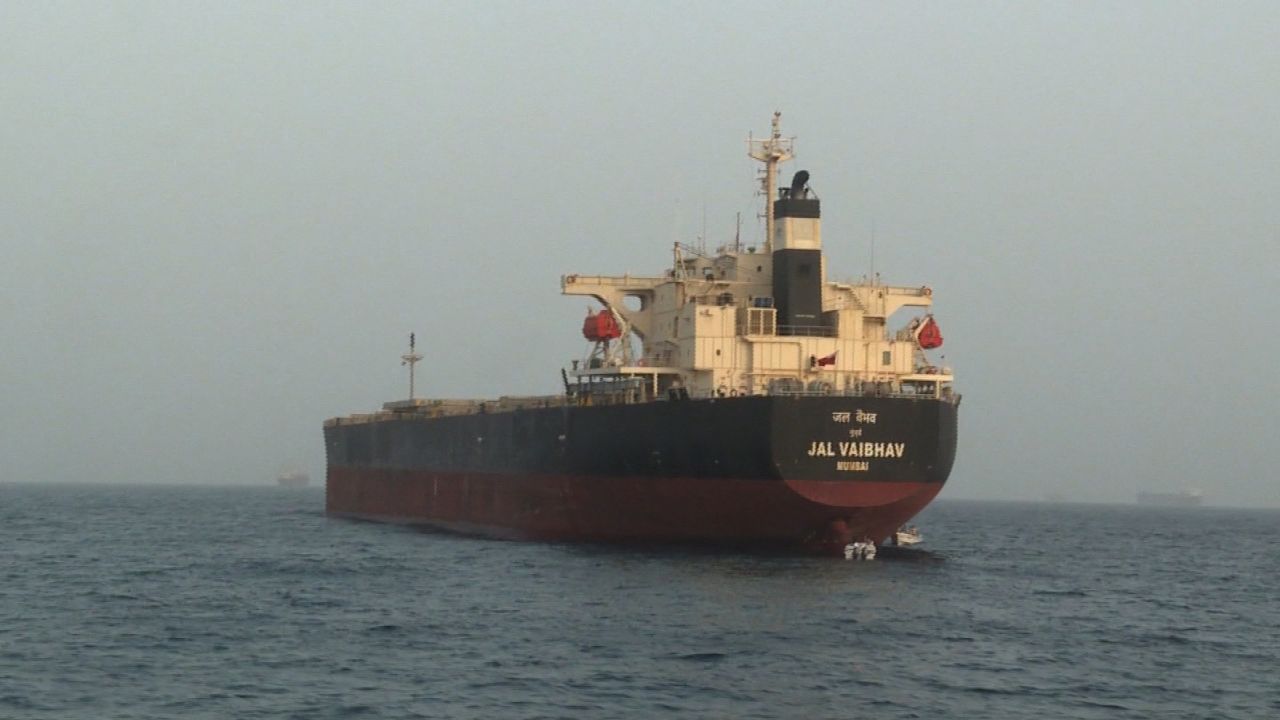
The request to China represents a sophisticated diplomatic trap. If Beijing contributes to a US-led coalition, it undermines its "strategic partnership" with Tehran. If it refuses, it remains vulnerable to the disruption of 40% of its oil imports and 30% of its LNG. The current data shows that even Chinese-flagged vessels, like the Jin Hai Wo, are no longer receiving preferential passage, signaling that Iran is willing to sacrifice its primary economic lifeline to maintain tactical leverage.
3. Tactical Escort vs. Area Denial
The proposed mission is not a traditional blockade-breaking operation but a High-Intensity Escort Framework. Success requires three specific capabilities that current regional allies lack:
- Minesweeping and Counter-Mine Operations (MCM): The US Navy's recent decommissioning of the Avenger-class minesweepers has created a capability gap that only European or Japanese specialized units can fill.
- Aegis-Level Air Defense: To counter drone swarms and ballistic missiles launched from the Iranian coast.
- Persistent ISR (Intelligence, Surveillance, and Reconnaissance): To monitor the 21-nautical-mile-wide chokepoint in real-time.
Institutional Inertia and Regional Resistance
The responses from Tokyo and Canberra reflect a deep-seated resistance to being drawn into a kinetic conflict without a clear "off-ramp." Japan’s refusal to dispatch vessels under its current legal framework highlights the friction between constitutional constraints and modern energy realities.
The reluctance is rooted in the Retaliation Feedback Loop. Iran has already demonstrated its capability to strike "soft targets" outside the Strait, as seen in the drone attacks on UAE facilities and the interception of 34 drones over Saudi Arabia. Allied nations fear that by joining the coalition, they are not securing the Strait but are instead expanding the target set for Iranian proxies.
Strategic Bottleneck: The Helium and Fertilizer Crisis
The analytical focus on crude oil overlooks two critical dependencies that may prove more disruptive to global industry than a $120 barrel of oil:
- The Helium Shortage: One-third of the world’s helium supply, primarily from Qatar’s Ras Laffan hub, is now stranded. This creates an immediate crisis for the semiconductor and medical imaging (MRI) industries. Unlike oil, helium lacks a viable strategic reserve system.
- The Fertilizer Shock: The Gulf is a primary artery for urea and ammonia. With the Northern Hemisphere entering spring planting, the 30% spike in urea prices will manifest as a global food security crisis in the Q3 and Q4 harvest cycles.
The Strategic Play
The current standoff will not be resolved through incremental naval presence. The data suggests that as long as insurance remains unavailable, the Strait is effectively dead for commercial trade.
The next logical move for the US administration is the "Sanctuary Escort" Model. This involves designating specific "Safe Corridors" under heavy electronic warfare protection and providing sovereign indemnification for tankers that participate. However, this requires a level of commitment that allies have yet to signal.
Nations must now choose between three suboptimal paths:
- Direct Military Integration: Joining the US coalition and accepting the risk of proxy retaliation.
- Strategic Attrition: Withdrawing from the Gulf market and pivoting toward Russian or Atlantic Basin energy, accepting permanently higher baseline costs.
- Bilateral Capitulation: Negotiating independent "Safe Passage" agreements with Tehran, which would require significant diplomatic concessions and likely violate US primary and secondary sanctions.
The failure of the "Security for Oil" pact means that the era of "free" maritime security provided by a single superpower is over. The price of energy will henceforth include the permanent cost of its physical defense.
Would you like me to analyze the specific impact of the helium supply chain disruption on the global semiconductor industry?