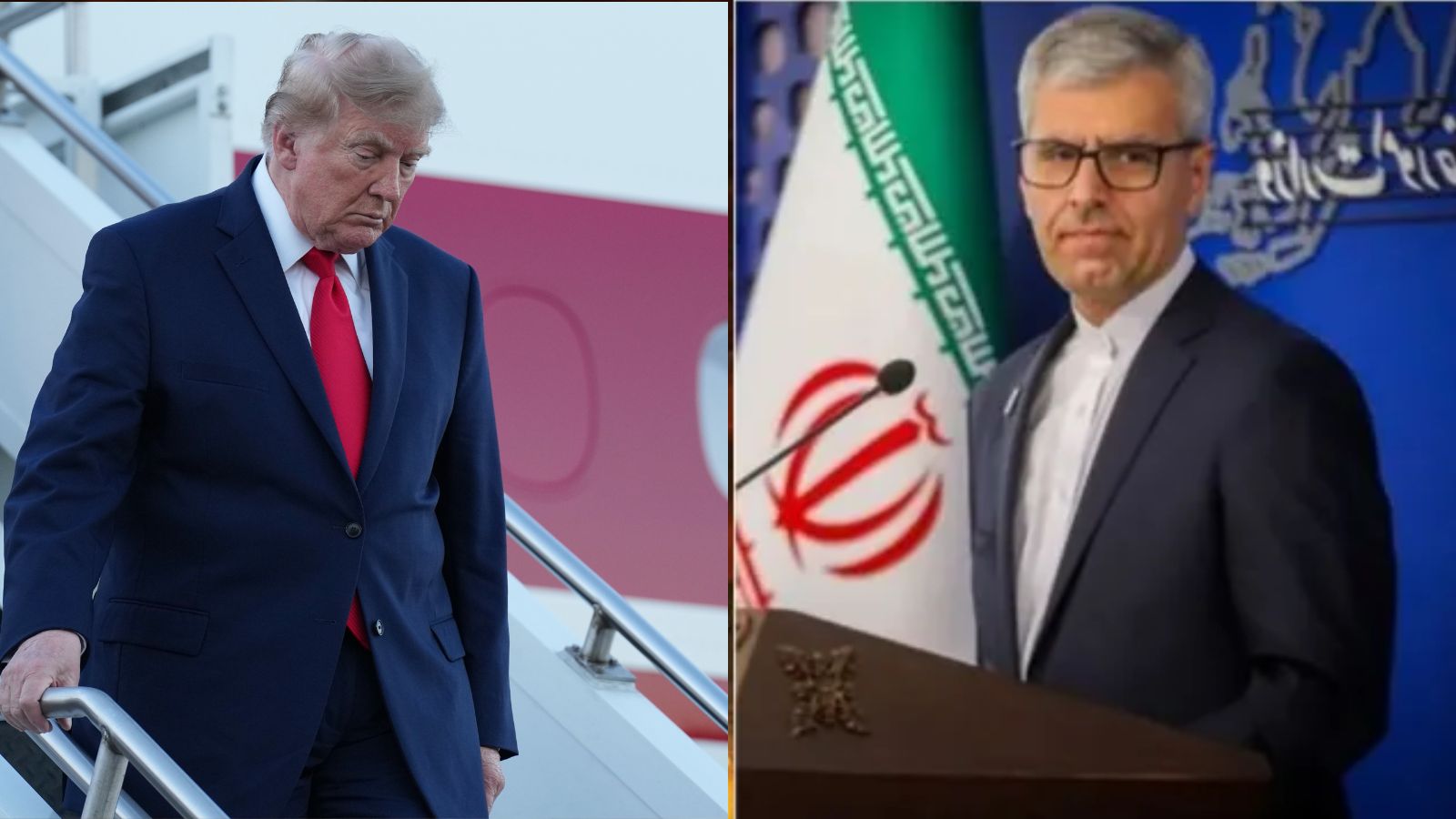
Negotiations between Washington and Tehran concerning the maritime choke point of the Strait of Hormuz have stalled not due to a lack of shared interest in de-escalation, but because of a fundamental asymmetry in tactical sequencing and cost tolerance. A structural examination of the diplomatic breakdown reveals that the impasse is governed by competing theories of endurance, mutually incompatible preconditions, and a zero-sum contest over the architecture of regional deterrence.
The Divergence of Preconditions
The structural core of the deadlock is a sequencing paradox. Washington and its European allies insist on a front-loaded framework that addresses the Iranian nuclear program and maritime security guarantees as a mandatory prerequisite for any substantive economic relief. From the perspective of the United States, granting sanctions relief or unfreezing assets prior to verified compliance strips away the primary enforcement mechanism available to external actors.
Conversely, Tehran’s operational posture requires the complete inverse. Iranian strategy demands the immediate lifting of the naval blockade, the cessation of hostile maritime operations, and the release of sequestered financial reserves as a baseline condition before any expert-level discussions on regional navigation or nuclear parameters can commence. Because both capitals view the other's entry sequence as an existential surrender of leverage, the diplomatic apparatus remains trapped in a recursive loop of mutual rejection.
The Asymmetric Cost Function
The two parties operate under radically different economic and political pressure thresholds, neutralizing traditional bargaining incentives.
The United States relies on a strategy of economic strangulation, leveraging naval deployment and sanctions enforcement to restrict hydrocarbon exports and degrade state revenue. While this policy imposes severe domestic strain within Iran—evidenced by consumer rationing and currency contraction—the domestic political framework inside Tehran interprets capitulation under external duress as an existential threat to the regime's founding ideological narrative.
For the Islamic Revolutionary Guard Corps (IRGC) and hardline factions, the control exerted over the Strait of Hormuz serves as the ultimate physical manifestation of national deterrence. Yielding this leverage without securing ironclad, durable guarantees against future military action is viewed as a high-probability path to internal collapse. Consequently, decision-makers in Tehran calculate that absorbing economic hardship is a rational alternative to executing a concession that invites immediate re-escalation once adversary forces are resupplied.
The Domestic Politics of Hardline Deterrence
Within the Iranian political ecosystem, the structural cost of flexibility exceeds the cost of deadlock. Political actors who engage in compromise risk bearing the domestic blame for strategic concessions, creating an environment where internal factions compete to project uncompromising resolve.
This dynamic is reinforced by external military positioning. The continuous presence of carrier strike groups and the shadow of Israeli security operations convince Iranian hardliners that the diplomatic track is merely a time-buying maneuver designed to facilitate adversary re-armament. As a result, institutional incentives within Tehran reward defiance, locking the military and diplomatic apparatus into a posture of unyielding readiness.
The Limits of Regional Mediation
Third-party mediation efforts led by regional actors such as Qatar, Oman, and Iraq face structural limitations. While these intermediaries maintain open channels of communication, they lack the enforcement mechanisms required to alter the risk calculus of either primary combatant. Regional states can transmit proposals and host expert-level committees, but they cannot provide security guarantees robust enough to override Washington's enforcement ambitions or Tehran's foundational mistrust.
Strategic Horizon
The current equilibrium of neither war nor peace is inherently unstable, but it persists because both capitals believe time favors their respective instruments of pressure. Washington bets that internal economic degradation will eventually compel a recalibration in Tehran, while Tehran bets that the political and economic costs of a prolonged maritime standoff will fracture the coalition opposing it.
Resolution will not emerge from incremental diplomatic adjustments within the current framework. Breaking the stalemate requires third-party guarantors to underwrite a simultaneous, non-sequential execution phase—shifting the burden of compliance away from direct bilateral concessions and embedding commitments within a multilateral regional security architecture that satisfies Tehran's demand for sovereignty while addressing Western proliferation benchmarks. Until such a mechanism is operationalized, the Strait of Hormuz remains a high-friction theater where military readiness substitutes for political settlement.


