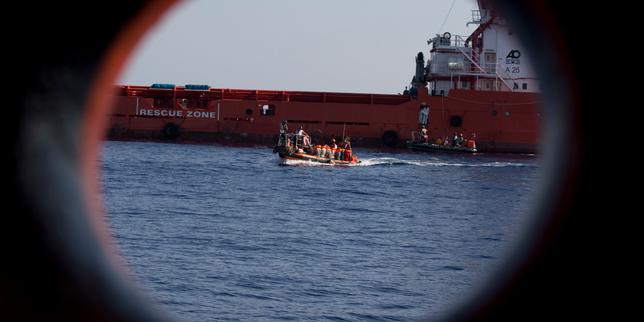
Brass-making technology did not quietly crawl over mountain passes or inch across arid overland tracks into southern China. It arrived via salt spray and steady hulls, carried by maritime networks that connected coastal trade routes long before official imperial chronicles bothered to record the names of the captains. For decades, traditional archaeological narratives treated the southward spread of advanced metallurgical techniques as a slow overland diffusion from northern political centers. That orthodoxy is wrong.
The Maritime Shift in Metallurgical History
When archaeologists unearth ancient metal artifacts, they usually look inland. The Central Plains of China traditionally claimed the spotlight as the undisputed cradle of technological innovation. Yet recent excavations along the southern coastline tell a very different story. Coastal workshops in Guangdong, Guangxi, and northern Vietnam reveal alloy compositions that match Mediterranean and Southeast Asian benchmarks far too closely to be chalked up to independent domestic invention.
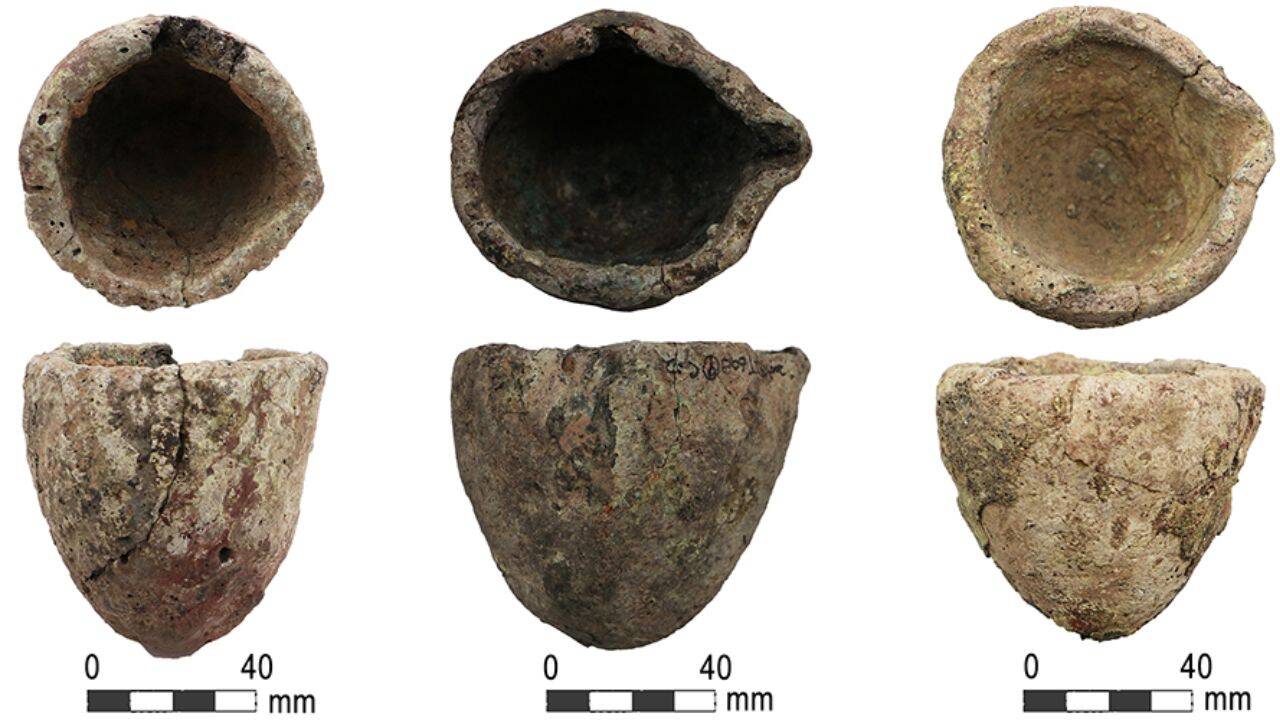
Zinc-copper alloys require precise thermal control and specific mineral inputs. Zinc ores are notoriously difficult to smelt because the metal vaporizes at temperatures lower than the melting point of copper. Ancient artisans solved this by inventing the calamine process, mixing copper, zinc ores, and reducing agents inside sealed crucibles.
The appearance of these specialized brass-making techniques in maritime southern enclaves points directly to coastal exchange. Ships hugging the coastlines of the South China Sea brought more than exotic shells and spices. They carried technical know-how.
+-------------------------------------------------------------+
|               ANCIENT METALLURGICAL DIFFUSION               |
+-------------------------------------------------------------+
|                                                             |
|   [ Maritime Sea Routes ] ---> Coastal Southern Workshops   |
|            |                                |               |
|            v                                v               |
|   (Direct Alloy Trade)         (Calamine Process Adoption)  |
|                                                             |
+-------------------------------------------------------------+
Smashing the Overland Diffusion Myth
For generations, academic dogma assumed that every major technological leap radiated outward from the Yellow River valley. This top-down model suited political historians who favored centralized dynasties as the sole engines of progress. It ignored the dynamic, decentralized maritime trade networks operating independently in the south.
Consider the geography. Mountainous terrain separates the central basins from the southern coast. Traversing these ranges with heavy raw materials, specialized furnaces, and skilled personnel was inefficient and risky. By contrast, the South China Sea functioned as an ancient superhighway. Maritime trade moved bulk commodities and complex crafts with far greater ease than overland pack animals ever could.
Unpacking the Calamine Mystery
Zinc is a fickle metal. Long before modern chemistry isolated it as a distinct element, ancient metalworkers knew how to trap its spirit. The calamine brass method involved packing crushed smithsonite or hemimorphite around copper metal inside a closed crucible. When heated, the zinc ore gave off vapors that dissolved directly into the molten copper, creating a rich golden alloy that was stronger and more malleable than bronze.
Mastering this technique required empirical precision. Too much heat and the zinc escaped as gas. Too little, and the copper failed to absorb the vapors. The sudden appearance of high-zinc brass artifacts in southern coastal sites without a long local developmental sequence proves that the knowledge was imported intact.
Foreign merchants and itinerant metalworkers didn't leave diaries. They left crucibles, slag heaps, and discarded casting waste. Chemical signatures in these artifacts show distinct isotopic ratios that point away from northern mines and toward coastal or overseas sources.
Economic Drivers of Coastal Metal Production
Why did southern communities embrace brass so rapidly? Aesthetics mattered, certainly. Brass gleamed like gold, making it prized for ritual items, personal ornaments, and status markers among coastal elites. Utility mattered more.
Coastal populations relied heavily on maritime trade, fishing, and shipbuilding. Saltwater corrosion destroys iron and degrades ordinary bronze rapidly. Brass exhibits superior resistance to certain types of environmental wear, making it valuable for marine hardware and tools. The economic incentives for local chieftains and trading syndicates to acquire and protect metallurgical expertise were immense.
Trade hubs sprouted along estuaries and sheltered bays. These settlements acted as processing centers where raw metals from overseas were refined, alloyed, and cast into finished goods tailored for local use or re-export into interior river valleys.
Rethinking the Direction of Technological Flow
History is written by the victors, and technological history has long been written by the literate administrative classes of inland capitals. These scribes cared little for coastal traders, foreign sailors, or local artisans. Consequently, maritime contributions were sidelined.
When we strip away centuries of biased historiography, the physical evidence speaks with brutal clarity. Innovation in the ancient world was polycentric. Technologies moved along the paths of least resistance, and water offered far less resistance than stone mountains. Southern China was not a passive recipient of northern enlightenment; it was an active crucible of technological synthesis powered by maritime enterprise.
The metal workers who stoked those coastal fires centuries ago understood the properties of earth and fire better than any court official. Their legacy survives in the metallic grains locked beneath the soil, waiting for modern analytical instruments to confirm what the sea routes always whispered.