The initiation of "Operation Epic Fury" on February 28, 2026, represents the transition of United States foreign policy from a "Maximum Pressure" sanctions regime to a kinetic "Strategic Submission" framework. While critics point to shifting public justifications—ranging from nuclear non-proliferation to the protection of domestic protesters—these rhetorical pivots are not evidence of a fractured strategy. Instead, they function as tactical signaling within a broader architecture of compellence. The administration’s objective is the forced recalibration of the Iranian state’s cost-benefit calculus through the systematic degradation of its coercive apparatus.
The Tri-Pillar Framework of Escalation
The administration’s logic operates across three distinct functional pillars. Each pillar serves a specific strategic end, and the shifting emphasis between them reflects the administration's assessment of which lever offers the most immediate psychological or material leverage.
- Pillar I: Nuclear and Ballistic Neutralization. This is the technical layer. By utilizing B-2 stealth bombers and GBU-57 Massive Ordnance Penetrators against sites like Fordow and Natanz, the U.S. aims to remove the "nuclear breakout" variable from the board entirely. This is presented as a non-negotiable prerequisite for any future diplomatic engagement.
- Pillar II: Internal Deterrence Linkage. For the first time, the U.S. has explicitly tied Iran’s internal security operations to external military consequences. By designating the suppression of the 2025-2026 protests as a "red line," the administration has attempted to strip the Islamic Revolutionary Guard Corps (IRGC) of its domestic "freedom of action." This creates a secondary front where the regime must weigh the cost of maintaining internal order against the risk of further decapitation strikes.
- Pillar III: Regional Asset Dismantlement. The targeting of the "Axis of Resistance"—specifically the financial and logistical pipelines to Hezbollah, the Houthis, and various PMFs—is designed to isolate Tehran. By treating every Houthi-fired projectile as an Iranian-launched weapon, the administration removes the shield of proxy deniability.
The Cost Function of Global Energy and the Hormuz Bottleneck
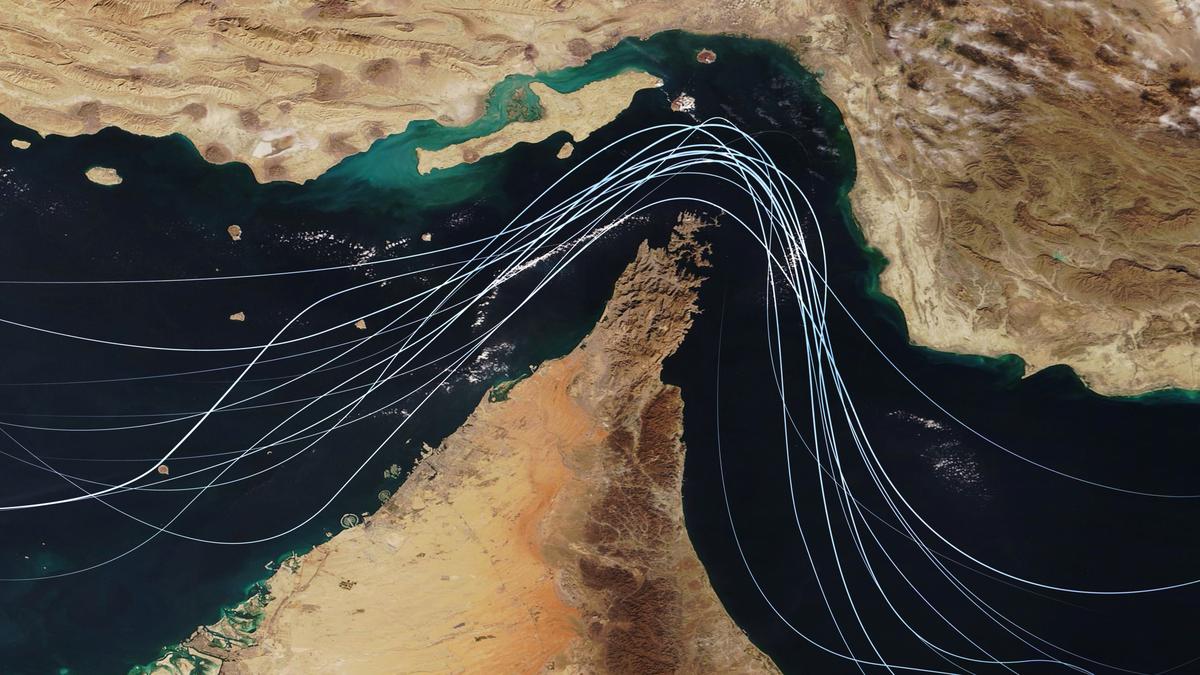
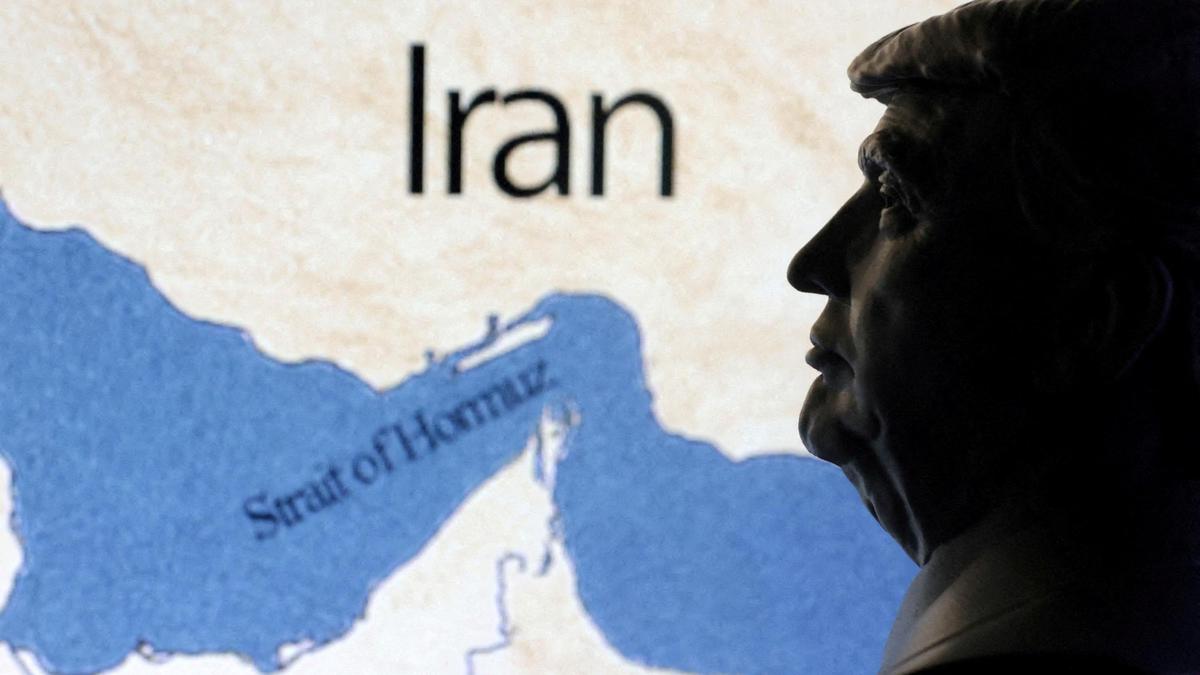
The primary constraint on this military strategy is the economic cost of energy volatility. Iran’s "Mosaic Defense" strategy has pivoted from conventional naval engagement to the disruption of the Strait of Hormuz, through which approximately 20% of the world's traded oil flows. This creates a specific Cost-Risk Equilibrium:
- The Supply Shock: The effective closure of the Strait has spiked global crude prices, impacting U.S. consumer sentiment ahead of the 2026 midterms.
- The Multilateral Burden-Shift: Rather than assuming the total cost of maritime security, the administration has demanded that major oil importers—including China, Japan, and South Korea—deploy their own naval assets to secure the waterway. This is a deliberate shift from the "Global Policeman" model to a "Joint Stakeholder" model, forcing allies and rivals alike to subsidize the security of their own energy supplies.
Mechanism of Conflict: Kinetic Diplomacy vs. Regime Change
The fundamental tension in current U.S. policy lies in the definition of the "End State." There is a clear divergence between the Transactional Model and the Structural Collapse Model.
The Transactional Model, favored in the early 2025 Muscat and Rome talks, sought "Make Iran Great Again" through a 60-day deadline for a comprehensive deal. This model views military strikes as a tool to "soften" the target for better terms. The Structural Collapse Model, which gained prominence following the assassination of high-ranking leaders in early 2026, suggests that the administration may now view the Islamic Republic as an inherently non-reformable entity.
However, "regime change" in this context does not imply a 2003-style nation-building project. The current strategy utilizes Decapitation without Occupation. By targeting command-and-control nodes while avoiding large-scale ground troop deployments, the U.S. is betting that the regime’s internal fractures—exacerbated by rolling blackouts and economic isolation—will lead to a domestic implosion.
Strategic Risks and the "IRGCistan" Bottleneck
The greatest risk to this strategy is the "Gray Rhino" of a consolidated military dictatorship. If the clerical leadership falls but is replaced by a hyper-nationalist IRGC military junta, the U.S. may find itself facing a more efficient, less predictable adversary. Such a regime would likely prioritize the rapid acquisition of a "deterrence-only" nuclear capability while maintaining the same regional proxy networks.
Furthermore, the administration’s reliance on Israeli military synergy creates a "Tail-Wags-Dog" dynamic. While U.S. interests may be satisfied with a "Strategic Submission" that allows for a face-saving diplomatic exit, Israeli objectives often lean toward the total "Mowing of the Grass"—the permanent, recurring destruction of any Iranian industrial or military capability regardless of diplomatic progress.
The Strategic Play: Forced Multi-Polarization
The current theater suggests the administration is preparing for a final "Grand Bargain" or a "Total Decoupling." The next move for stakeholders is to monitor the deployment of secondary sanctions on third-party oil buyers. If the U.S. successfully enforces a 25% tariff on any entity conducting business with Tehran, it will signify the final transition to a total economic blockade.
To mitigate the current crisis, the administration must now secure a "Coalition of the Impacted" to take over the Hormuz patrol. This would allow U.S. naval assets to redeploy toward the Indo-Pacific, fulfilling the National Security Strategy’s goal of regional burden-shifting. The success of Epic Fury will not be measured by the fall of Tehran, but by whether the U.S. can exit the conflict having permanently lowered Iran’s regional "Threat Ceiling" without becoming mired in a multi-year stabilization effort.
Would you like me to map the specific impact of these "Strategic Submission" tariffs on global supply chain logistics for the Q3 2026 outlook?