The smell of old paper and burning kerosene always settles into the throat before the news actually arrives. I remember that scent from other cities, other winters, when the electricity flickered and died not because of a storm, but because a switch had been thrown three time zones away by men who had never seen an olive tree in their lives.
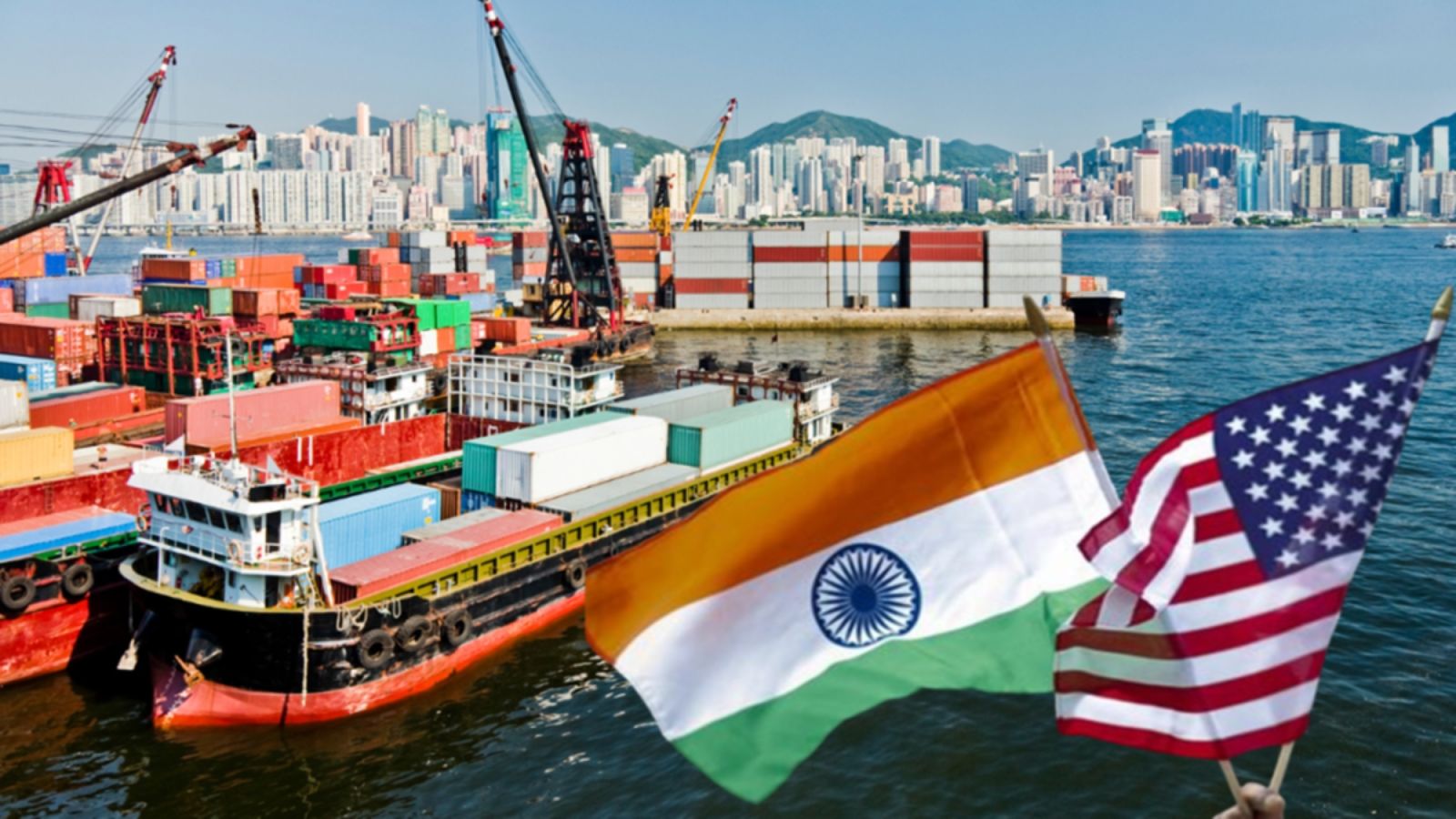
Right now, that smell is drifting across the Strait of Hormuz. It is carried on the salt wind, passing through the hulls of idle container ships and over the concrete roofs of houses where families are currently calculating the price of flour by the gram.
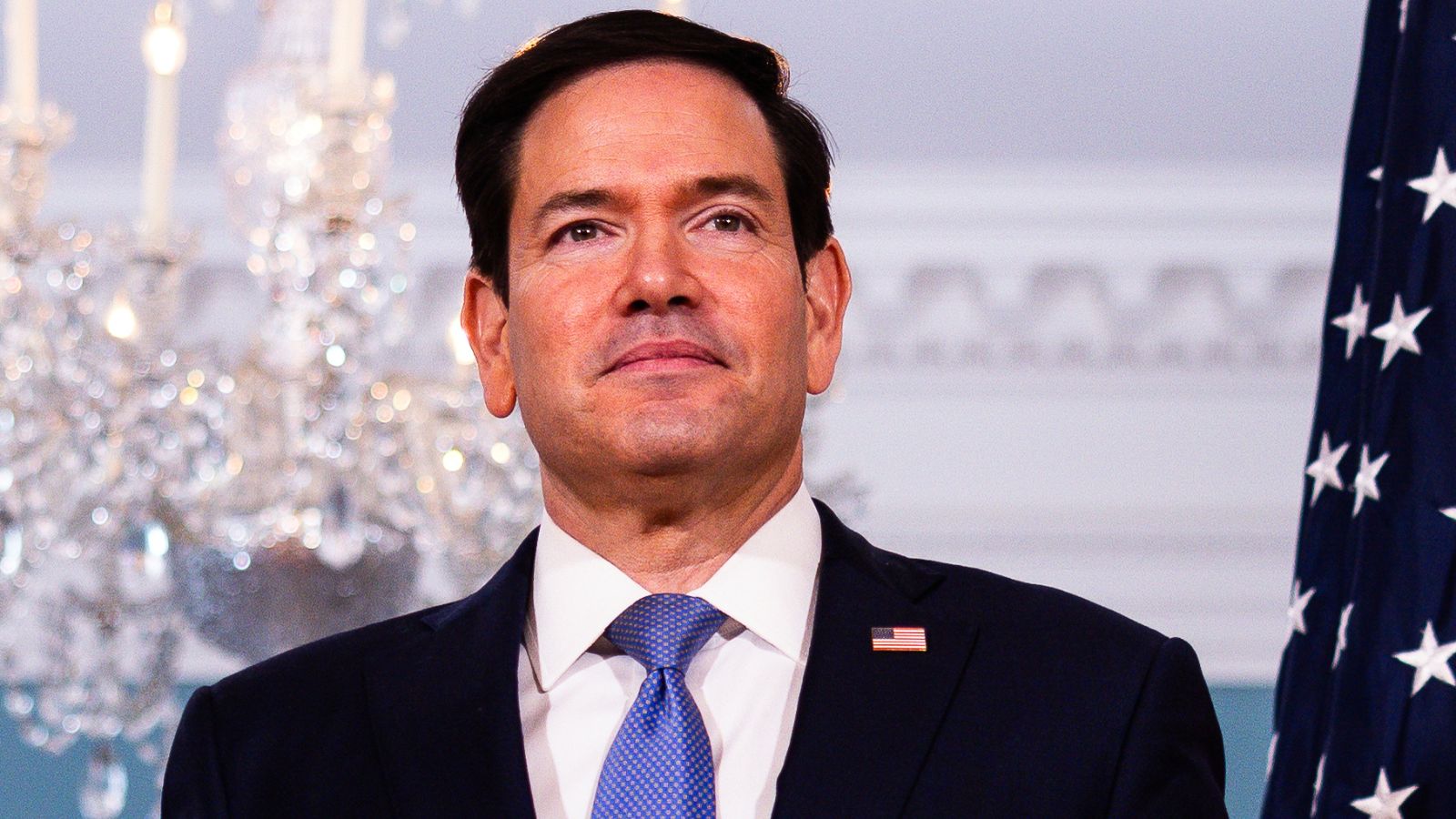
Scott Bessent, standing behind a podium in Washington, chose his words with the cold precision of a diamond cutter. He did not talk about missiles or aircraft carriers. He talked about ledgers. He talked about measures never seen on Iran.
To the markets, it was a data point. A blip on a Bloomberg terminal.
To the woman sitting in a kitchen in Tehran watching her savings account turn into digital dust, it was an eviction notice from the future.
The Weight of a Ledger
We have misunderstood how modern conflict works for at least half a century. We still look for the smoke. We wait for the flash of iron on iron, the sudden crater in the street, the sirens wailing through the night. Those things happen, of course. They are loud, and they demand our attention, and they fill the evening broadcasts with terrible clarity.
But the true violence of our era is silent. It moves through fiber-optic cables at the speed of light. It lives in SWIFT codes, in frozen central bank reserves, in the sudden inability of a shipping agent in Dubai to clear a letter of credit for a cargo of insulin.
Consider what happens when a nation is systematically erased from the financial map.
It is not just that the currency drops. Currencies drop all the time; they are fickle things, tied to the moods of speculators in London and New York. What happens is a complete, structural amputation from the circulatory system of the global economy. When Bessent speaks of unprecedented measures, he is talking about tightening a tourniquet until the tissue dies.
I have watched this happen before. In smaller towns, in peripheral economies that caught the splash-damage of great power struggles. You walk into a pharmacy, and the shelves are lined with boxes of dust. The pharmacist does not look you in the eye. He doesn't need to. He taps the wooden counter with a tired finger and explains that the dinar in your pocket can buy you the memory of medicine, but not the medicine itself. The factory in Switzerland that makes the pills requires dollars, and the dollars have stopped crossing the border.
This is the reality behind the headline. Not a map with red arrows pointing across deserts, but a ledger where every line item is a closed door.
The Invisible Architecture
Iran’s economy is a complex, scarred beast. It has survived decades of sanctions the way an old olive tree survives a forest fire—by burning away its outer branches, driving its roots deep into the bedrock of black markets, smuggling routes, and state-managed monopolies.
For years, the playbook was familiar. Sanction the oil. Cut off the banks. Watch inflation climb to forty, fifty, eighty percent. Watch the middle class sell their grandmother's gold jewelry piece by piece to pay for heating oil.
Yet, the system held together through friction and grease. Ships turned off their transponders in the Persian Gulf, painting ghost profiles across marine radar screens, sliding crude into smaller tankers off the coast of Malaysia or China. Paper changed hands. Cryptocurrencies moved through obscure wallets. The leaks in the dike kept the house from flooding.
What Washington is signaling now is an attempt to seal those final, weeping cracks.
When you introduce measures never seen before, you are no longer targeting specific ministries or designated commanders. You are targeting the infrastructure of survival itself. You are looking at the secondary and tertiary nodes—the small trading houses in Istanbul, the shell companies in the United Arab Emirates, the obscure logistics firms that keep the lights on in power plants along the Caspian Sea.
Imagine a game of Jenga played with wet wood. Every block is swollen, stuck, hard to move without bringing the whole tower down. Now imagine someone pouring liquid nitrogen over the top of it. The wood doesn't just slide out; it shatters.
That is what unheralded financial warfare does to an integrated trade network. It doesn't negotiate. It vitrifies.
The Human Cost of Abstract Power
It is easy to get lost in the machinery of statecraft. We talk about Washington and Tehran as if they were chess players moving marble figures across a board of green felt. We analyze the political calculus of the White House, the upcoming elections, the pressure from domestic lobbies, the strategic imperative of securing trade lanes.
We forget the texture of daily life underneath the policy.
In a small apartment in Isfahan, a young engineer sits at a desk with his laptop open, staring at a freelance contract that has just been canceled. Not because his work was poor, but because the payment gateway flagged his IP address. Just like that, three months of coding vanish into an administrative void. He cannot buy groceries with goodwill. He cannot pay his rent with the knowledge that his government is defiant.
Across the city, a diabetic warehouse worker does the math on his remaining insulin supply. He knows the imported brands are gone from the state-subsidized pharmacies. He knows the black market price has tripled this month alone. He looks at his hands, steady for now, wondering how long the margin between life and expiration can remain open when the world's financial gatekeepers decide to lock the doors.
These are not statistics. They are the friction points of empire.
When policymakers design these architectures of isolation, they tell themselves that pressure creates reform. They build econometric models showing that if you squeeze hard enough, long enough, the population will rise up, break the political apparatus, and demand a new alignment.
History suggests a different, darker pattern.
When the vault closes, people do not suddenly become cosmopolitan liberals yearning for open markets. They hunker down. They rely on family clans, patronage networks, and whatever local strongman can guarantee a sack of flour and a liter of kerosene. The state tightens its grip because external survival requires internal control. The walls go up inside the country just as fast as the financial walls go up outside it.
The Final Ledger
We are standing at the threshold of a new kind of escalation. One that does not require the deployment of a single battalion or the launch of a single cruise missile.
It is clean, sterile, and catastrophic.
As the new measures take shape, the gap between the macroeconomic strategy and the human reality will widen into a chasm. The statements from Washington will remain measured, professional, focused on deterrence and compliance. The reports from Tehran will speak of resilience, resistance, and the quiet dignity of endurance.
Between those two worlds lies the silence of a stopped clock.
The ships sit anchored in the blue water of the Gulf, their engines idling, waiting for a clearance that may never come. On the shore, the dust settles on the empty window sills of shops that have nothing left to sell, while the wind keeps blowing from the west, carrying the scent of paper that has already been burned.