The asphalt around MacArthur Park remembers every footprint, every siren, and every drop of blood that ever soaked into its seams. It is a place where government programs and raw survival rub shoulders in the dark.
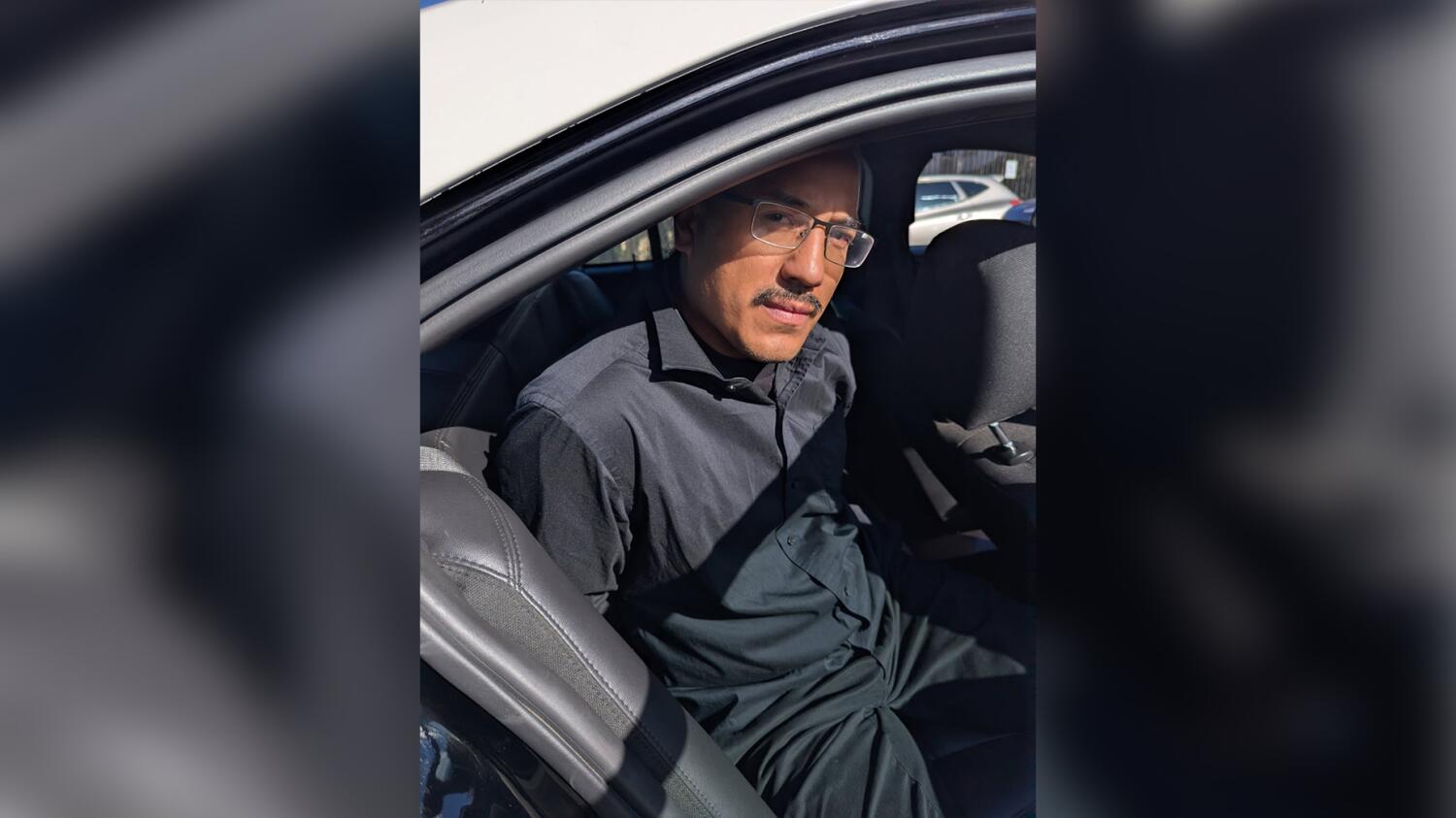
For Michael Angel Alvarez, the park was both an office and an old battlefield. At forty-one years old, Alvarez walked those Westlake sidewalks wearing the title of a city-funded "peace ambassador". He worked for Healing Urban Barrios, a local nonprofit contracted to defuse neighborhood flare-ups before they erupted into gunfire. He was paid to stand directly in the line of fire, translation: to absorb the shockwaves of neighborhood violence using nothing more than his past, his voice, and whatever credibility he could salvage from decades spent inside the state prison system.
Then the federal agents moved in.
An FBI affidavit painted a different portrait of the peace worker. Prosecutors alleged that Alvarez, who had served twenty-four years for a 2002 murder conviction before his release, remained tied to the upper echelons of the 18th Street gang. When law enforcement stopped him near the park, they searched his car and discovered two heavy ceramic and composite body armor plates tucked away in the trunk.
For most citizens, owning a bulletproof vest or tactical plates is a quirk of paranoia or emergency preparedness. For Alvarez, because of his prior felony record, it was a federal crime. Under both federal and California law, a violent felon possessing body armor crosses an immediate legal tripwire.
The machinery of the justice system ground into gear with predictable heaviness. Prosecutors locked him away pretrial, arguing he posed a clear danger to the community. They cited intercepted jail calls and alleged ongoing gang leadership. Headlines erupted across Los Angeles, questioning the wisdom of paying a convicted murderer out of municipal coffers to patrol turf he allegedly never truly left.
The defense offered a starkly different human reality. Lawyers argued that the armor plates were acquired as part of an art project for local youth, or that navigating the razor-thin margins of gang intervention required confronting hazards ordinary citizens never see. How do you ask a man to step between armed factions in a notoriously volatile park while stripping away every tool he might use to protect his own life? It is the central, agonizing paradox of modern violence prevention. We hire the wolves to guard the sheep, but panic when we find out they still have teeth.
The courtroom battle over those two ballistic plates raised uncomfortable questions about accountability, redemption, and the blurred lines of urban intervention work. City officials distanced themselves. Taxpayers grumbled. The trial date loomed on the horizon like an approaching storm.
And then, the federal case collapsed.
A federal judge threw out the charges, bringing a sudden, unceremonious halt to a prosecution that had captured the city's anxieties.
The case dissolved, but the tension beneath it remains entirely unresolved. MacArthur Park is still there. The gang lines are still drawn. And the men and women who walk the tightrope between institutional policing and street-level survival are left wondering how much protection they are allowed to carry while trying to keep everyone else alive.