The ink in a diplomat’s pen never really dries. It just waits.
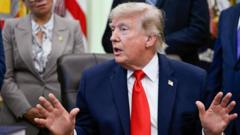
In the high-stakes theater of global geopolitics, a single Sunday can feel like eternity. On one side of the Atlantic, a president stands before a crowd, full of the bravado that built an empire of real estate and reality television, declaring that a monumental deal is done. Signed. Sealed. Delivered by the weekend. On the other side of the world, across the dry expanses of the Iranian plateau, ministers sip tea in wood-paneled rooms, offering nothing but a slow, calculated shake of the head. They whisper a different word.
Uncertainty.
We have grown accustomed to treating global treaties like corporate mergers, tracking them on stock tickers and cable news banners. But statecraft is not a boardroom meeting. It is a fragile dance performed on an invisible tightrope, where a single misstep does not mean a dropped quarterly profit, but a shifted balance of global power. When Washington accelerates, Tehran brakes.
To understand why a Sunday deadline can trigger panic in the markets and late-night calls in European embassies, you have to look past the podiums. You have to look at the clock.
The Friction of Two Clocks
Imagine two gears trying to mesh, but they are spinning at entirely different velocities.
The American political machine operates on a frantic, four-year cycle. It demands quick wins, spectacular headlines, and immediate gratification. It is a culture built on the definitive statement. When a deal is announced for Sunday, it is designed to capture the Sunday morning talk shows, to dominate the news cycle, to print a victory before the markets open on Monday.
The Iranian side plays a different game. Call it the Persian carpet strategy. You do not rush a masterpiece; you weave it knot by knot, month by month, stretching the timeline until the opponent grows weary. Time is not an enemy to be conquered; it is a resource to be spent.
When the White House declared the deal imminent, Tehran did not issue a fiery denial. They did something far more effective. They cast doubt. They suggested that the calendar in Washington does not match the calendar in Iran. By simply questioning the timing, they seized control of the narrative, forcing the world to wait on their clock.
Consider what happens next when these two philosophies collide. The market hates a vacuum, and doubt is the ultimate vacuum. Within hours of the conflicting statements, oil futures twitch. Shipping lanes in the Strait of Hormuz feel a microscopic tightening of tension.
The Ghosts in the Room
Every diplomatic table is crowded with ghosts. You cannot see them on the news feeds, but they dictate every word spoken.
For the Americans, the ghost is the memory of past agreements that yielded too much or secured too little. There is a deep, underlying anxiety that the other side is playing a longer, smarter game. For the Iranians, the ghost is the crushing weight of economic sanctions—the quiet, devastating reality of pharmacies running low on specialized medicines and young graduates staring at a frozen economy.
This is the human element missing from the standard headlines. A deal is not just text on parchment. It is the price of bread in Tabriz. It is the reelection margin in Ohio. It is the collective sigh of relief from European allies who find themselves caught in the geopolitical crossfire.
The standoff over the Sunday signing reveals a deeper truth about modern diplomacy: the announcement of a deal has become more important than the deal itself. Signaling strength to a domestic audience often requires creating friction with the negotiating partner. It is a dangerous game of chicken where both drivers are looking at the crowd instead of the road.
The Language of the Unsaid
In diplomacy, a "maybe" is rarely a refusal. It is an invoice.
When Tehran states that the timing is doubtful, they are not walking away from the table. They are signaling that the final concessions have not been paid for. They are reminding the world that they retain the power to say no, even at the eleventh hour. It is a psychological leverage point, a reminder that the superpower does not get to dictate the tempo of the music.
But the real problem lies elsewhere. The danger of public deadlines is that they leave no room for graceful retreats. If Sunday passes without a pen touching paper, the American side looks impatient, and the Iranian side looks obstructive. The space for compromise shrinks.
We watch the podiums, waiting for the white smoke, forgetting that the most important agreements are always reached in the dark, far from the cameras, when both sides finally tire of the theater and decide to talk about the world as it is, rather than the world they want their voters to see.
The weekend draws to a close. The stage is set. The pens are filled. But the clock keeps ticking, indifferent to the promises made in Washington or the doubts whispered in Tehran.