Geopolitics just shattered the brief illusion of stability in global energy trading. If you think your stock portfolio is safe because you don't trade crude futures, you're missing the bigger picture. Washington and Tehran are locked in a dangerous game of chicken, and the fallout is landing squarely on Asian trading floors.
When Donald Trump issued an expletive-laden warning threatening to bomb Iranian civilian infrastructure, the shockwaves hit regional equity markets instantly. The Strait of Hormuz, a narrow maritime choke point handling roughly 20% of the world's liquefied natural gas (LNG) and oil supply, remains heavily disrupted.
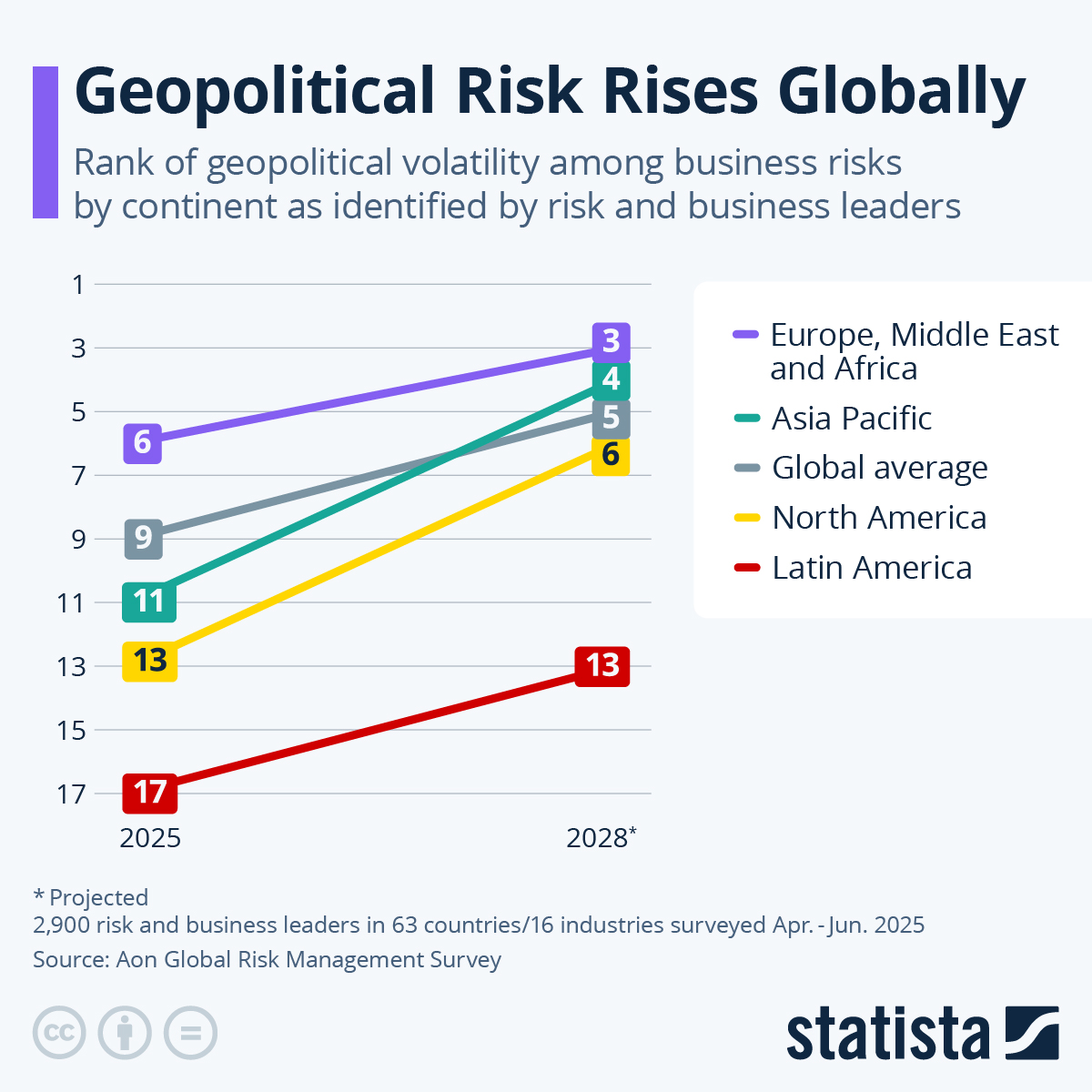
For the Asia-Pacific region, this isn't just an abstract geopolitical dispute. It's a direct threat to the economic engine. China, India, Japan, and South Korea historically consume 75% of the oil that moves through that specific waterway. As a result, local stock indices are opening in a highly fractured, volatile state. Some sectors are finding safety in defensive positions, while others are absorbing heavy losses.
The Reality Behind the Mixed Open
Traders across Tokyo, Seoul, and Sydney woke up to a profoundly complicated board. Headline numbers show a mixed open, but looking deeper reveals a stark division between winners and losers.
Japan's Nikkei 225 and South Korea's Kospi initially showed marginal gains, but these movements are deceptive. They are driven almost entirely by heavy industrial exporters and energy firms betting on higher inflation margins. Meanwhile, the broader market is buckling. Consumer discretionary stocks, transport companies, and electronics manufacturers are sliding.
The core issue is that Asian economies are hyper-dependent on imported energy. Look at the data from the International Energy Agency (IEA). The net shortage from this ongoing maritime crisis has eclipsed the supply shocks of the 1973 Arab Oil Embargo and the 1979 Iranian Revolution. Local businesses are already feeling the pinch. Petrochemical producers in South Korea have actively reduced their runs of ethylene gas because raw feedstocks are too expensive. Air India and Cathay Pacific have been forced to implement aggressive fuel surcharges just to keep planes in the air.
When energy costs spike, it acts as a massive tax on Asian manufacturing. You can't run a silicon fabrication plant or an automotive assembly line on optimism. You need raw power, and right now, that power is getting prohibitively expensive.
Why Trump's Words Carry So Much Weight
Market analysts often dismiss social media posts as mere noise. That's a mistake in the current climate. When Trump explicitly states that failure to reopen the strait will lead to "Obliteration Day" for Iranian power plants and bridges, algorithms and institutional desks react instantly.
The White House faces immense internal domestic pressure to suppress rising gasoline prices before the upcoming U.S. midterm elections. This pressure explains the erratic shift between military threats and sudden offers of mediation. One day the administration talks about "blowing everything up," and the next day they hint at a potential 45-day ceasefire.
This policy volatility makes long-term corporate planning impossible. Financial institutions hate uncertainty more than they hate bad news. The CME Group's FedWatch tool shows that interest rate expectations are shifting rapidly. Traders are abandoning hopes for near-term rate cuts as sticky, energy-driven inflation begins to take root globally.
The Symbolic Failure of Production Hikes
A common counterargument is that non-Iranian supply will step in to save the day. It won't.
OPEC plus members recently agreed to raise production quotas by 206,000 barrels per day. On paper, that sounds like a solution. In reality, it's completely symbolic. Several of the major producing countries bound by that agreement sit directly behind the blockaded Strait of Hormuz. Their production facilities and transport infrastructure have sustained significant operational damage since the conflict began earlier this year.
Furthermore, global inventories are drying up at an alarming pace. IEA reports show that global oil supply fell by 1.8 million barrels per day in April alone, bringing total losses since February to a staggering 12.8 million barrels per day. Commercial crude inventories in the U.S. are drawing down rapidly despite releases from the Strategic Petroleum Reserve. We're running out of cushions.
Navigating the Contagion
If you're managing capital in the Asia-Pacific region right now, sitting on your hands is a losing strategy. The market isn't going to return to normal next week. The structural damage to global energy distribution channels is already done.
First, you need to audit your exposure to energy-intensive sectors. Companies that rely heavily on logistics, plastics, and raw manufacturing are going to see their margins compressed throughout the quarter. Traditional hedges like gold and silver have shown temporary pullbacks, but the long-term trend lines point toward a flight to hard assets as fiat currencies grapple with imported inflation.
Second, watch the diplomatic track between Washington and Beijing. President Trump and President Xi Jinping are scheduled to meet in Beijing to discuss this exact crisis. China holds significant economic leverage over Tehran as a primary buyer of its shadow-fleet oil. If those bilateral talks show even a shred of progress toward a verified maritime framework, energy markets will give back their recent gains overnight. If they fail, Brent crude will easily push back toward its recent peak of $126 per barrel.
Position your portfolio for sustained volatility. Keep cash reserves high, avoid over-leveraged industrial plays, and don't take any politician's midday statement at face value. The game being played in the Middle East is highly unstable, and Asian markets will continue to bear the brunt of the volatility.