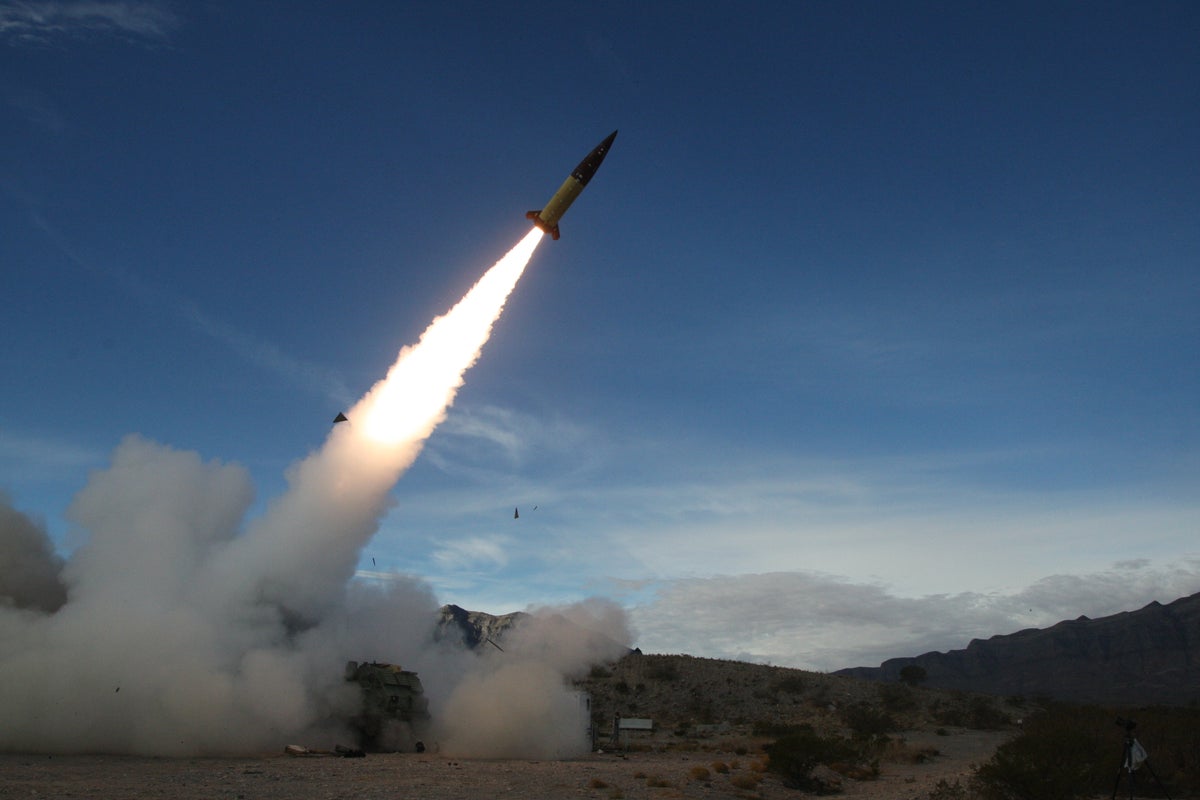
Military stockpiles operate under strict economic and logistical constraints that conventional conflict rapidly exposes. When high-intensity engagements deplete strategic inventories faster than manufacturing lines can replenish them, a structural imbalance emerges between expenditure velocity and industrial capacity. Understanding this dynamic requires examining the intersection of defense economics, inventory management, and supply chain lead times.
The Consumption Velocity Problem
Modern precision strike operations rely on complex, expensive munitions that require extensive assembly periods. When conflict intensity scales faster than anticipated, consumption outstrips the baseline production rate.
- High Unit Cost vs. High Burn Rate: Precision-guided munitions involve sophisticated guidance systems, specialized microelectronics, and rocket motors that resist rapid mass-production scaling.
- The Replenishment Lag: Defense industrial bases operate on multi-year procurement cycles. Turning up production lines requires long lead times for raw materials, specialized labor, and rigorous quality testing.
- Inventory Depth vs. Strategic Depth: Stockpiles must maintain a balance between active theater allocation and strategic reserve requirements for secondary contingencies globally.
When expenditure rates exceed annual manufacturing output by an order of magnitude, militaries face a severe depletion curve. This creates an operational bottleneck where tactical success in the short term compromises strategic deterrence capabilities over the medium term.
Industrial Bottlenecks in Defense Manufacturing
The defense sector cannot scale output with the elasticity of consumer goods. Several structural limitations govern production ceilings.
Supply Chain Dependencies
The supply chain relies on single-source suppliers for critical subcomponents. Rare earth elements, specialized energetic materials for propulsion, and radiation-hardened semiconductors represent acute vulnerabilities. If a single tier-three supplier experiences a disruption, final assembly halts entirely.
Workforce Specialization
Building high-reliability guidance systems and rocket propulsion requires certified aerospace engineers and precision technicians. Training specialized labor takes years, preventing sudden workforce surges during periods of elevated demand.
Testing and Quality Assurance Protocols
Defense assets cannot afford high failure rates. Every missile undergoes rigorous environmental, electrical, and mechanical stress testing. Bypassing these protocols to accelerate throughput introduces catastrophic failure risks in the field, forcing manufacturers to maintain strict, time-consuming quality gates.
Strategic Implications of Inventory Depletion
A depleted inventory of long-range strike assets alters operational calculus for military planners. When high-end munitions run low, leadership faces difficult substitution choices.
- Reliance on Alternative Munitions: Planners must pivot to shorter-range systems or unguided alternatives, increasing exposure risks for delivery platforms and increasing collateral damage potential.
- Prioritization of Targets: Striking deep strategic targets becomes secondary to tactical defense, shifting military posture from proactive power projection to reactive containment.
- Deterrence Degradation: A depleted stockpile signals vulnerability to rival state actors, potentially inviting opportunistic aggression in other theaters.
The Capital Allocation Dilemma
Defense budgeting historically prioritized qualitative superiority over quantitative volume. Procurement strategies favored small batches of extremely sophisticated, high-cost platforms rather than large inventories of scalable, modular alternatives.
When sustained high-intensity conflict occurs, this model creates a structural mismatch. The economic cost per engagement skyrockets, and the absolute number of available units drops below the threshold required for sustained campaigns. Restoring equilibrium demands a fundamental shift in procurement frameworks, favoring modular designs, dual-use commercial components, and expanded surge capacity within industrial infrastructure.
Rebuilding strategic depth requires multi-year capital commitments, long-term procurement visibility for defense contractors, and deliberate redundancy across critical material supply chains. Without these structural adjustments, future high-intensity engagements will continue to expose the fragility inherent in maintaining lean, low-volume missile inventories.


