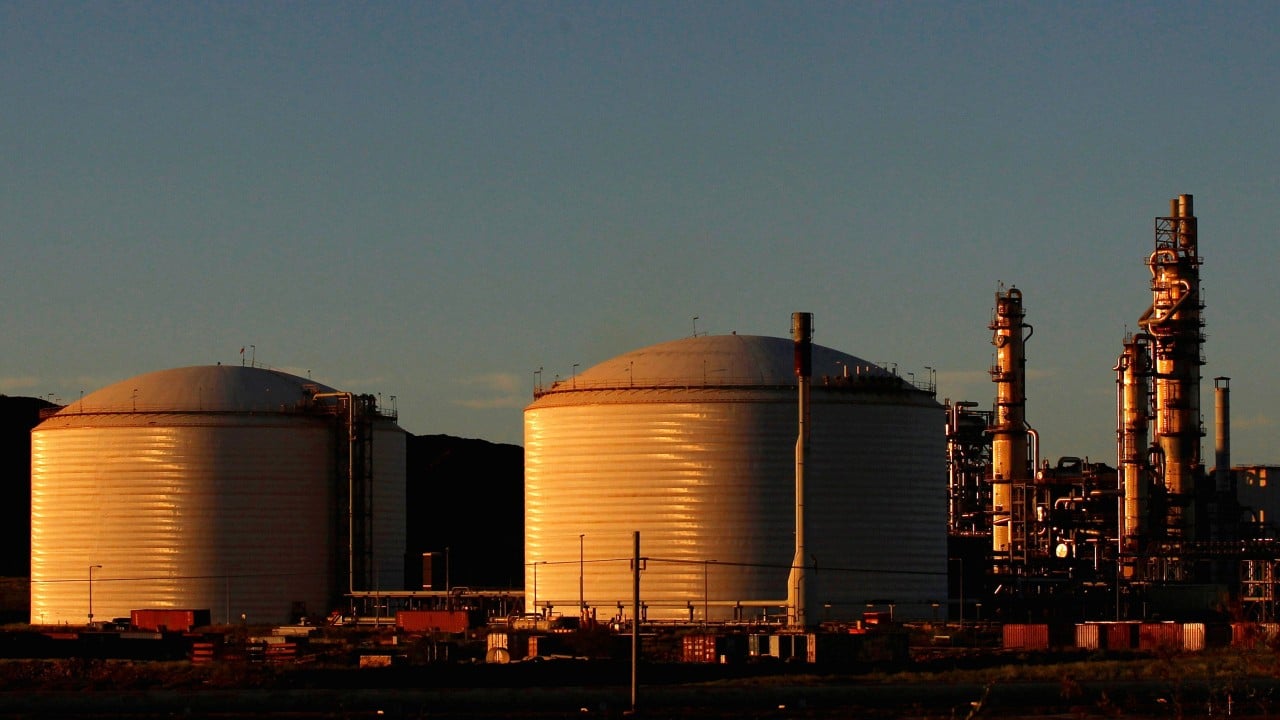
War is terrible for humanity, but it's wildly profitable for Australian resources.
The latest data from the June 2026 Resources and Energy Quarterly confirms something deeply uncomfortable. Australia is on track to haul in a massive export revenue boost because of the ongoing war in the Middle East. While conflict ravages Iran and the Strait of Hormuz remains practically choked off, Canberra's balance sheet is swelling. The official estimates reveal an upward revision of billions in export income. It's a blood-soaked windfall. Specifically, the government expects to gain an extra US$26 billion, which translates to a massive jump in local currency, pushing total resource exports to a staggering $416 billion for the 2026-2027 financial year.
You might think a massive influx of cash sounds like a win for the country. It isn't.
This unexpected cash injection creates a massive headache for the domestic economy. If the government handles this wrong, it will directly translate into higher mortgage rates and brutal cost-of-living pain for every single citizen. The money isn't a sign of economic health. It's a symptom of global chaos that threatens to overheat an already fragile domestic market.
The Grim Reality of a War Windfall
Global markets are panicking. The closure of the Strait of Hormuz back in March 2026 triggered what the International Energy Agency called the largest supply disruption in the history of the global oil market. Brent Crude blew past $120 a barrel. Middle Eastern energy exports got completely stranded.
Australia fills the void.
When global supply plummets, prices rocket. Australia doesn't even need to dig more stuff out of the ground to make more money. The country just sells the same volumes at heavily inflated war-time premiums. It's pure price gouging driven by geopolitical catastrophe.
The Department of Industry, Science and Resources had to completely rewrite its forecasts. A few months ago, the outlook looked stable. Now, the 2025-2026 and 2026-2027 export projections have been revised upward with unprecedented sharpness. This isn't a long-term trend. Prices will normalize once market balances adjust later in the decade, but right now, the money is pouring in faster than the system can absorb it.
The problem is where that money goes. It doesn't magically distribute itself to schools or hospitals. It lands in the bank accounts of multinational mining giants and gas exporters. It sits on corporate balance sheets while everyday people struggle to pay for groceries.
Where the Extra Cash Is Actually Coming From
The money isn't spread evenly across all commodities. A few specific sectors are driving the vast majority of this US$26 billion surge.
Liquefied natural gas is the primary driver. Because Middle Eastern infrastructure is heavily damaged and will take years to fully repair, global LNG prices are staying elevated for a prolonged period. Australian LNG export earnings are forecast to jump from $59 billion to $65 billion in the 2026-2027 financial year alone. Buyers in Asia are desperate. They are willing to pay almost anything to secure supply.
Then there is gold.
Investors run to safety when missiles start flying. That safety is gold. The precious metal has experienced an insane 46% surge in export value, reaching $68 billion. Forecasters expect the gold price to average an astronomical US$4,862 an ounce through 2026-2027. This pushes gold earnings to a historic peak of $73 billion.
Even dirty commodities like thermal coal and metallurgical coal are holding onto higher price points than anyone predicted before the war started. While iron ore is actually softening due to rising global supply and changing industrial demands in China, the energy commodities are more than making up for the difference.
Let's look at the actual numbers from the latest federal projections. Total resource and energy exports will hit $405 billion this financial year before peaking at $416 billion next year. The contrast between dying global stability and booming Australian trade data is stark.
The Massive Fight Over a Gas Export Tax
This sudden surge in corporate cash has kicked off a vicious political war in Canberra. The Greens are furious. They are using the latest independent economic analysis to demand a massive policy shift. They want a minimum 25% gas export tax slapped on multinational corporations immediately.
The argument is simple. These companies are making extraordinary, blood-soaked profits off a war that Australians didn't ask for. Meanwhile, local manufacturing plants are shutting down because domestic gas prices are too high. It's a bizarre paradox. Australia is one of the biggest gas exporters on earth, yet its own citizens get ripped off on their utility bills.
Senator Steph Hodgins-May has been incredibly vocal about this. She points out that multinational gas giants are pocketing an extra $18 billion in pure windfall profits specifically from the war on Iran. If the Labor government introduced a 25% tax, billions of dollars could flow directly back into the state budget. That money could fund direct cost-of-living relief, lower power bills, and better public services.
Instead, the current policy allows these profits to flow straight offshore to foreign shareholders. The government is terrified of the mining lobby. They remember how previous mining taxes destroyed political careers. So they sit on their hands while the public gets short-changed. It's a massive failure of courage.
Why Everyday Australians Won't See a Cent of This Money
You won't get a dividend check from this boom. In fact, it's highly likely to cost you money.
The Reserve Bank of Australia is on an absolute warpath against inflation. So far in 2026, the central bank has already hiked interest rates three times. They shoved the official cash rate up by 75 basis points, moving it from 3.60% to 4.35%. Economists are already predicting another 25 basis point hike in August, which will drag the cash rate to 4.60%.
Why are they doing this? Because the economy is running too hot.
When billions of extra dollars flood into the country via the resources sector, it creates massive domestic demand. Mining companies spend big on services, wages, and infrastructure. That uses up the remaining spare capacity in the economy. It drives up wages in specific sectors, which forces other businesses to raise prices to compete.
High commodity prices act like a hidden tax on domestic growth. Economists estimate that the broader macroeconomic fallout from the Middle East war could actually wipe out $16.5 billion in overall Australian economic growth by 2027 due to supply chain disruptions and high fuel costs. You get hit twice. Your fuel bills go up because of global oil shortages, and your mortgage goes up because the central bank is trying to cool down the mining boom.
AMP chief economist Shane Oliver warned explicitly against the government spending any extra tax revenue that does trickle into public coffers. Government spending as a share of the economy is already well above pre-pandemic levels. Splashing this cash would be an absolute disaster. It would guarantee that inflation stays sticky, forcing the central bank to keep interest rates higher for longer.
The Move Government Leaders Must Make Now
Treasurer Jim Chalmers cannot treat this extra US$26 billion like found money. It's an economic landmine.
The only responsible move is to save every single cent of the windfall. The Australian Office of Financial Management points out that national debt is sitting around a massive $974.9 billion. The government needs to use this temporary revenue surge to pay down public debt and push the budget back into a sustainable surplus.
Paying down debt reduces the interest bill the government owes to international lenders. More importantly, it sucks liquidity out of the economy, taking pressure off inflation. If the government uses this money to fund popular spending programs or election-year handouts, they will fuel the inflationary fire.
If you want your mortgage to stop climbing, you need the government to put this money in a vault and lock it away. Do not look at the soaring export numbers as a victory. Treat them as a warning sign.
The next step for individual households is simple. Stop expecting government relief to solve your personal budget crisis. Lock in your mortgage rates if you can't handle another two hikes. Cut discretionary spending now. The corporate sector is swimming in cash, but the average household is the one that will end up paying the price for this global conflict.