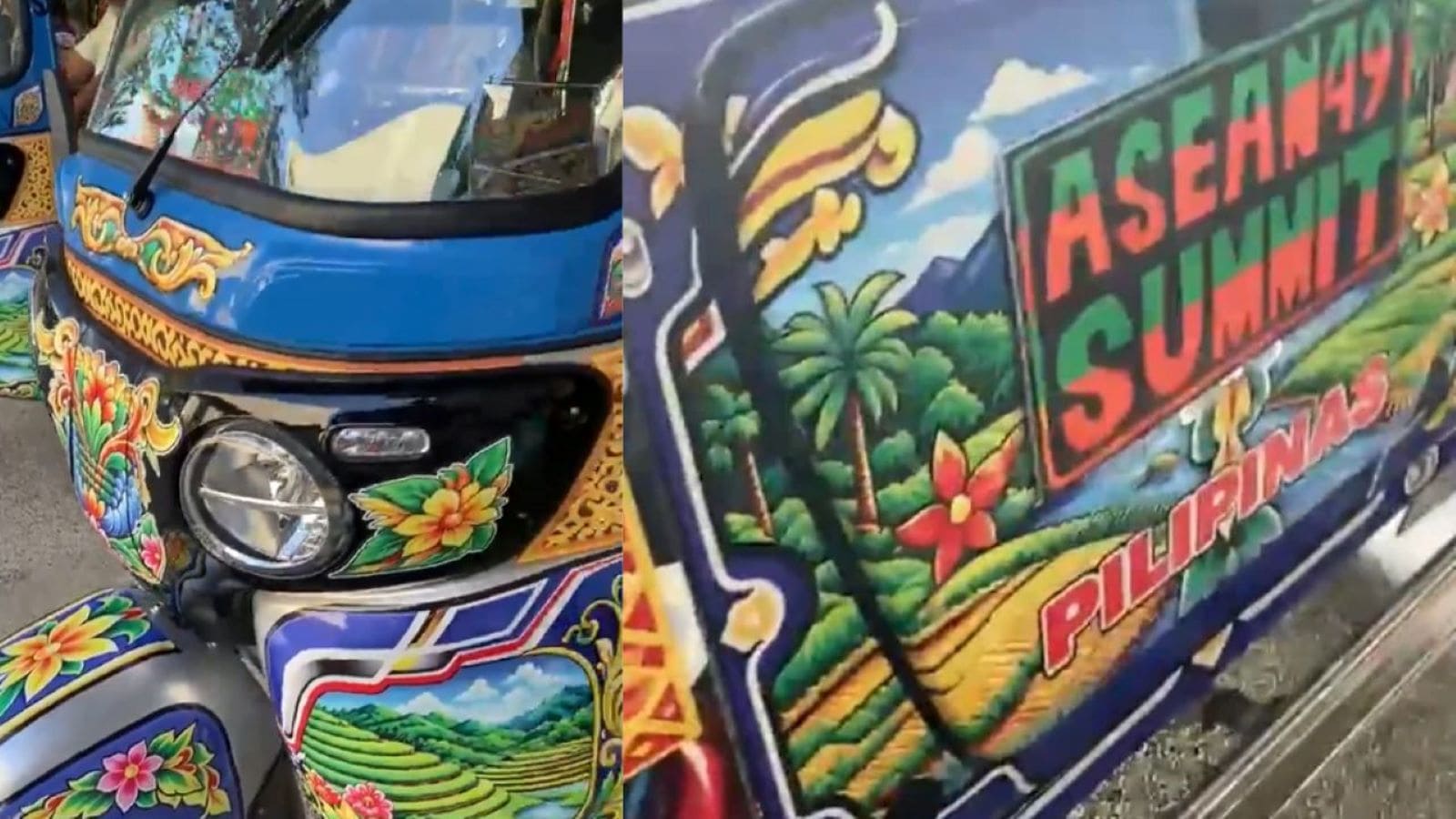
Picture the gridlocked streets of Manila during a major international diplomatic summit. Usually, you expect blacked-out luxury sedans, armored SUVs, and stiff police escorts. Instead, fleets of compact, brightly painted Bajaj three-wheelers rolled out across the Philippine capital, decked out in the bold colors and motifs of the Association of Southeast Asian Nations.
It caught global attention fast. A humble, everyday commuter vehicle—built in India and beloved across Southeast Asia—suddenly became a rolling billboard for regional diplomacy. For a different look, see: this related article.
Honestly, it makes total sense once you look past the novelty. Manila's local transport culture revolves around accessible, nimble three-wheelers, and Bajaj Auto has spent years carving out massive market share in the Philippines. Turning these workhorse vehicles into colorful ambassadors for the ASEAN Summit blended local street identity with high-level international hosting.
How Bajaj Three-Wheelers Became Manila's Diplomatic Canvas
When the Philippines hosts the ASEAN Summit, city officials face a massive branding and logistics challenge. International delegates, media crews, and thousands of visitors descend on Metro Manila at once. Everything from street banners to public transit gets pulled into the visual theme of the event. Related coverage on the subject has been published by NPR.
During the summit preparations in Manila, local operators and organizers gave fleets of Bajaj RE three-wheelers a striking visual overhaul. Instead of their standard factory paint jobs or plain commercial liveries, the vehicles were wrapped and painted in vibrant hues representing the flags and cultural motifs of ASEAN member states.
You couldn't miss them on the road. Bright blues, reds, yellows, and whites wrapped around the compact cabins, turning routine short-distance shuttles into moving pieces of summit art.
This wasn't just cosmetic fluff. Manila's dense urban layout—especially around summit venues, hotels, and cultural districts—often leaves full-sized buses and diplomatic convoys stuck in bottlenecks. Compact three-wheelers weave through narrow barangay streets and feeder roads where larger vehicles simply can't fit.
Why Bajaj RE Models Dominate Philippine Streets
If you haven't spent time in the Philippines recently, you might still picture the classic sidecar-style tricycle—a standard motorcycle bolted to a welded metal passenger cab. Those are still everywhere, especially in provincial towns.
Over the past decade, though, Bajaj Auto's RE series (imported and distributed locally through partners like Trimotors Technology Corporation) has changed the game in urban centers and regional hubs.
Here is why local drivers and transport cooperatives gravitated toward them:
- Integrated chassis design: Unlike makeshift sidecars that pull awkwardly to one side, the Bajaj RE is engineered from the ground up as a balanced three-wheeler.
- Weather protection: With a solid roof, windshield, wiper, and side doors or curtains, passengers stay dry during sudden tropical downpours.
- Fuel efficiency: The four-stroke, 198.88cc DTS-i engine sips fuel compared to older two-stroke tricycles, protecting drivers' daily margins when pump prices spike.
- Passenger comfort: Rear bench seating comfortably fits three adults without forcing anyone to crouch inside a cramped metal box.
Because tens of thousands of these units already operate legally as registered public utility vehicles across the country, using them as a visual centerpiece for an international summit felt authentic rather than forced.
What Most People Miss About India-ASEAN Auto Diplomacy
Look closer at a Bajaj auto-rickshaw parked in front of an ASEAN banner in Manila, and you're looking at a quiet economic story that rarely makes front-page headlines.
Bajaj Auto, headquartered in Pune, India, is the world's largest manufacturer of three-wheelers. While Indian commuters know the black-and-yellow or green-and-yellow auto-rickshaw as a daily staple, Bajaj actually exports a massive chunk of its production overseas. The Philippines consistently ranks among its top international markets.
India and ASEAN share deep trade ties, and affordable mobility sits right at the center of that relationship. Western automakers spent decades trying to sell expensive compact cars to emerging Southeast Asian economies, often missing what working-class commuters and micro-entrepreneurs actually needed.
Bajaj took the opposite approach. They built a tough, easily repairable, low-cost vehicle tailored for rough roads, heavy loads, and stop-and-go city traffic.
When Manila dresses up Bajaj three-wheelers for an ASEAN gathering, it unintentionally highlights how Indian engineering and Southeast Asian street culture have merged. A vehicle designed in Maharashtra ends up carrying passengers in Metro Manila under the banner of regional unity.
The Cultural Significance of Vehicle Art in the Philippines
Filipinos have a long, proud history of turning public transport into moving folk art. You only have to look at the iconic Philippine jeepney—originally cobbled together from surplus World War II U.S. military jeeps and transformed with chrome horses, vibrant murals, and hand-lettered family names.
Giving Bajaj three-wheelers a colorful ASEAN makeover taps directly into that same cultural instinct.
In the Philippines, a public vehicle isn't just an appliance. It's a reflection of local pride, hospitality, and community identity. When major events roll into town—whether it's a papal visit, a regional sporting tournament, or an ASEAN Summit—transport cooperatives frequently decorate their fleets to welcome guests.
The ASEAN-themed Bajaj autos stood out because they balanced official summit branding with the approachable charm of neighborhood transit. Foreign journalists and delegates who rarely step outside armored hotel zones suddenly found themselves snapping photos of brightly painted three-wheelers zipping past palm-lined boulevards.
Practical Realities Behind Summit Transport Makeovers
Anyone who has worked in event logistics or municipal transport management knows that pulling off a fleet makeover isn't as simple as slapping on a few stickers.
In Metro Manila, public utility vehicles operate under strict franchising rules managed by the Land Transportation Franchising and Regulatory Board (LTFRB) and local government units (LGUs). Changing a vehicle's exterior color or applying full-body vinyl wraps requires official clearance so traffic enforcers don't flag drivers for unauthorized modifications.
There are also practical maintenance realities drivers deal with every single day:
- Heat and humidity: Manila's tropical sun and monsoon rains destroy cheap vinyl wraps within weeks. Organizers have to use automotive-grade, UV-resistant materials if they want the colors to survive the summit schedule.
- Downtime costs: Every hour a Bajaj RE sits in a wrapping bay is an hour the driver loses daily fare income. Successful transit campaigns compensate drivers or schedule installations during off-peak night shifts.
- Route restrictions: Tricycles and three-wheelers in Metro Manila are generally barred from major national highways like EDSA for safety reasons, meaning these colorful units operate primarily along secondary roads, historic districts, and designated feeder zones.
Understanding those constraints shows why the makeover worked well in specific districts rather than across every highway in the capital.
Why Small-Scale Mobility Matters More Than VIP Convoys
International summits always trigger debate among local residents. Locals deal with road closures, rerouted jeepneys, and hours of extra commuting time while visiting officials travel in cleared lanes.
Showcasing everyday three-wheelers during the ASEAN Summit sends a subtle, smart counter-message. It acknowledges the vehicles that actually keep Southeast Asian cities moving after the diplomats fly home.
Across ASEAN nations—from Manila and Bangkok to Jakarta and Phnom Penh—two- and three-wheeled vehicles form the backbone of last-mile connectivity. Mega-projects like subways and elevated rail lines take decades and billions of dollars to build. Meanwhile, nimble three-wheelers connect residential neighborhoods to train stations, wet markets, and schools right now.
They also serve as direct engines of micro-entrepreneurship. In the Philippines, thousands of families rely on a single Bajaj RE to pay school tuition, cover household bills, and build small savings. When those vehicles get spotlighted on an international stage, it validates the livelihoods of the drivers behind the handlebars.
How to Spot and Experience Manila's Three-Wheeler Culture
If you're visiting Manila or tracking how urban transit evolves across Southeast Asia, don't just stick to ride-hailing sedans and airport transfers.
Step into secondary districts like Intramuros, Ermita, Pasay, or municipal hubs just outside the central business corridors. You'll see firsthand how compact Bajaj three-wheelers navigate tight alleys with ease, often sporting custom decals, local cooperative badges, or seasonal event liveries.
Keep small bills and coins handy—most short-distance trips cost a fraction of a standard taxi fare, and drivers rarely carry change for large banknotes during morning rush hour. Ask the driver about their route before hopping in, confirm the fare upfront if you're hiring the unit for a special solo trip rather than a shared fixed route, and see for yourself why this compact three-wheeler conquered Philippine streets long before any summit makeover put it in the spotlight.