Bangladesh isn't worried about India's domestic laws. While critics and international observers keep trying to spark a diplomatic fire between Dhaka and New Delhi over the Citizenship Amendment Act (CAA) and the National Register of Citizens (NRC), the actual leadership in Bangladesh is remarkably chill about it. During a recent visit to India, Bangladesh Home Minister Asaduzzaman Khan made it clear that these policies are "completely internal matters" of India. It’s a bold stance that flies in the face of the alarmist narrative often pushed by Western media or regional detractors.
You have to look at the ground reality. For years, the talk of "pushbacks" and mass migration dominated headlines. People expected a breakdown in communication. Instead, what we're seeing is a masterclass in pragmatic diplomacy. Bangladesh focuses on its own economic trajectory while respecting the sovereign right of its neighbor to define its citizenship criteria. This isn't just polite political speak; it's a calculated move to maintain stability in a region that can't afford a rift.
Why Dhaka Views CAA as a Non Issue
Most people get this wrong. They assume Bangladesh should be offended by a law that offers citizenship to persecuted minorities from its own soil. But the leadership in Dhaka sees it differently. By labeling it an internal matter, Khan is basically saying that what India does within its borders doesn't change the facts on the ground in Bangladesh.
The relationship between Prime Minister Sheikh Hasina and Prime Minister Narendra Modi has been built on security cooperation and connectivity. Dhaka knows that picking a fight over the CAA serves no one. If anything, it would only embolden radical elements within Bangladesh who want to see the secular government fail. By staying out of India's legislative business, Bangladesh ensures that India stays out of theirs.
It's about trust. The two nations share a 4,096-kilometer border. It’s the fifth-longest land border in the world. You don't manage that kind of geography by bickering over every law passed in a neighbor's parliament. You manage it through the Border Guards Bangladesh (BGB) and the Border Security Force (BSF) working together to stop smuggling and human trafficking.
The Reality of the NRC Fear Mongering
The National Register of Citizens (NRC) caused more anxiety than the CAA for a while. The fear was simple: if India identifies millions of "illegal immigrants" in Assam, where do they go? Logic suggested they’d be pushed into Bangladesh. But the Indian government has consistently reassured Dhaka that this won't happen.
Asaduzzaman Khan’s comments reflect this assurance. He’s not seeing a mass influx. He’s not seeing a crisis. He’s seeing a neighbor trying to organize its own records. If you've ever dealt with South Asian bureaucracy, you know it's a mess. India trying to figure out who is who isn't necessarily an attack on Bangladesh. It’s a domestic administrative hurdle.
Security Cooperation Over Identity Politics
While the media focuses on the identity politics of the CAA, the real story is the security synergy. Bangladesh has been incredibly helpful in flushing out Indian insurgent groups that used to hide in its hilly terrain. In return, India has provided a steady supply of essential goods and energy.
- Intelligence Sharing: Both countries now swap data on terror cells almost in real-time.
- Coastal Surveillance: India is helping Bangladesh set up a system to monitor its maritime boundaries.
- Connectivity: The revival of pre-1965 rail links is moving faster than ever.
These are the things that actually matter to a person living in Dhaka or Kolkata. They care about whether the train runs on time and whether the border is safe from militants. They don't spend their days reading the fine print of citizenship laws unless they're directly affected. Khan knows his audience. He knows that the average Bangladeshi is more concerned with the price of onions and the stability of the power grid than with India's internal demographic tallies.
Shifting the Narrative on Migration
There's a persistent myth that people are still streaming across the border into India in massive numbers. The data doesn't back this up like it used to. Bangladesh’s economy has been a tiger for the last decade. Its GDP per capita has, at times, even clipped India's. Why would someone leave a booming garment industry in Gazipur to live as an undocumented laborer in an Indian slum?
The incentive has changed. Migration today is more about seasonal work or family visits than a desperate flight from poverty. When the economic gap closes, the "illegal immigration" debate loses its teeth. This is why the Home Minister can afford to be so relaxed. He’s confident in his country’s own growth story.
The Geopolitical Context
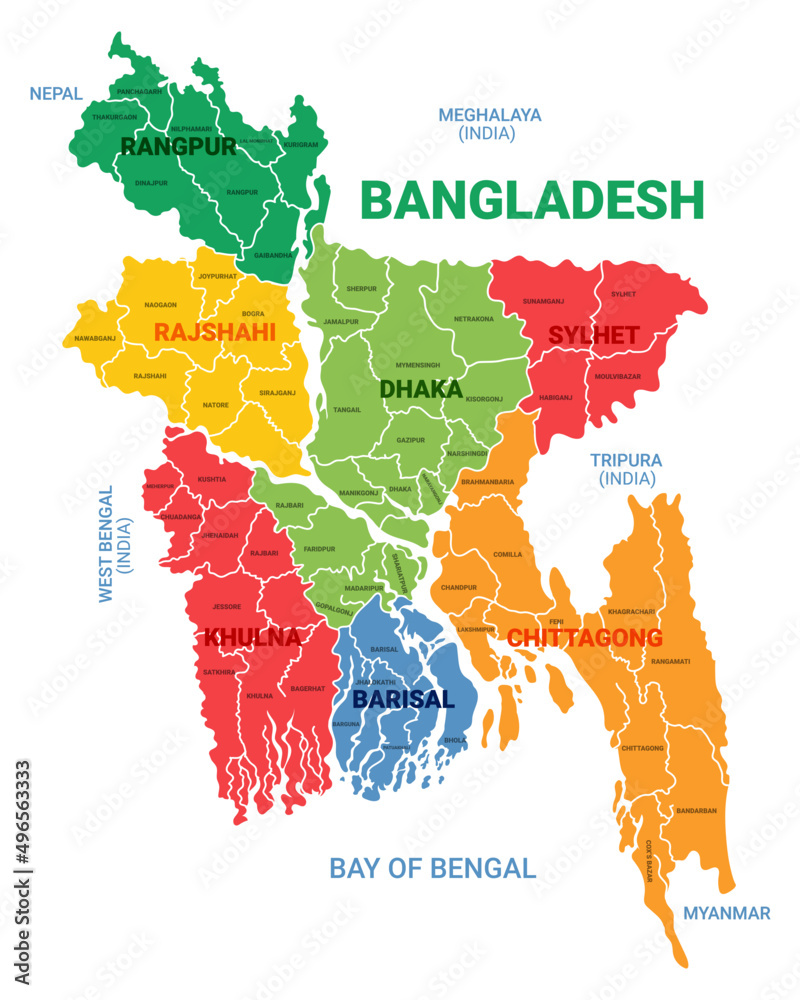
Look at the map. Bangladesh is surrounded by India on three sides. It’s a geographical reality that dictates foreign policy. You can't change your neighbors, so you might as well get along with them.
The "Internal Matter" label is a shield. It protects the relationship from being hijacked by domestic opposition in either country. When the BJP in India uses the CAA in an election speech, the Awami League in Bangladesh doesn't have to react because they've already categorized it as "not our business." It’s a clever way to keep the peace.
We also have to acknowledge the China factor. India wants to keep Bangladesh close to prevent Beijing from gaining too much leverage in the Bay of Bengal. Bangladesh, in turn, uses this competition to get the best deals for infrastructure. It’s a delicate dance. Getting bogged down in a legal dispute over the CAA would break the rhythm.
Beyond the Headlines
If you want to understand the future of South Asia, stop looking at the protest videos and start looking at the trade volume. Bilateral trade is hitting record highs. India is allowing Bangladesh to export goods to third countries via its ports. This is a level of integration we haven't seen since the partition of 1947.
The Home Minister's visit wasn't just about giving quotes to the press. It was about solidifying this economic corridor. They talked about visa processing, which is a huge deal. India issues more visas to Bangladeshis than to any other nationality. If the CAA was truly a deal-breaker, you’d see a clampdown on these exchanges. You aren't seeing that. You're seeing more buses, more trains, and more people crossing the border legally every day.
What Actually Happens Next
Don't expect a sudden shift in rhetoric from Dhaka. They’ve found a winning formula: focus on the economy, stay silent on India's internal politics, and keep the border secure. This pragmatism is what keeps the region stable.
If you're tracking this, watch the border management meetings. Those are the real bellwethers. If the BGB and BSF start arguing, then you worry. As long as they're conducting joint patrols and smiling for the cameras, the CAA/NRC issue is just background noise.
The next step for anyone following this is to look at the upcoming trade agreements. Keep an eye on the Comprehensive Economic Partnership Agreement (CEPA) negotiations. That’s where the real power lies. Political laws come and go, but a shared economy is much harder to tear apart. Bangladesh has chosen its side, and that side is "business as usual."