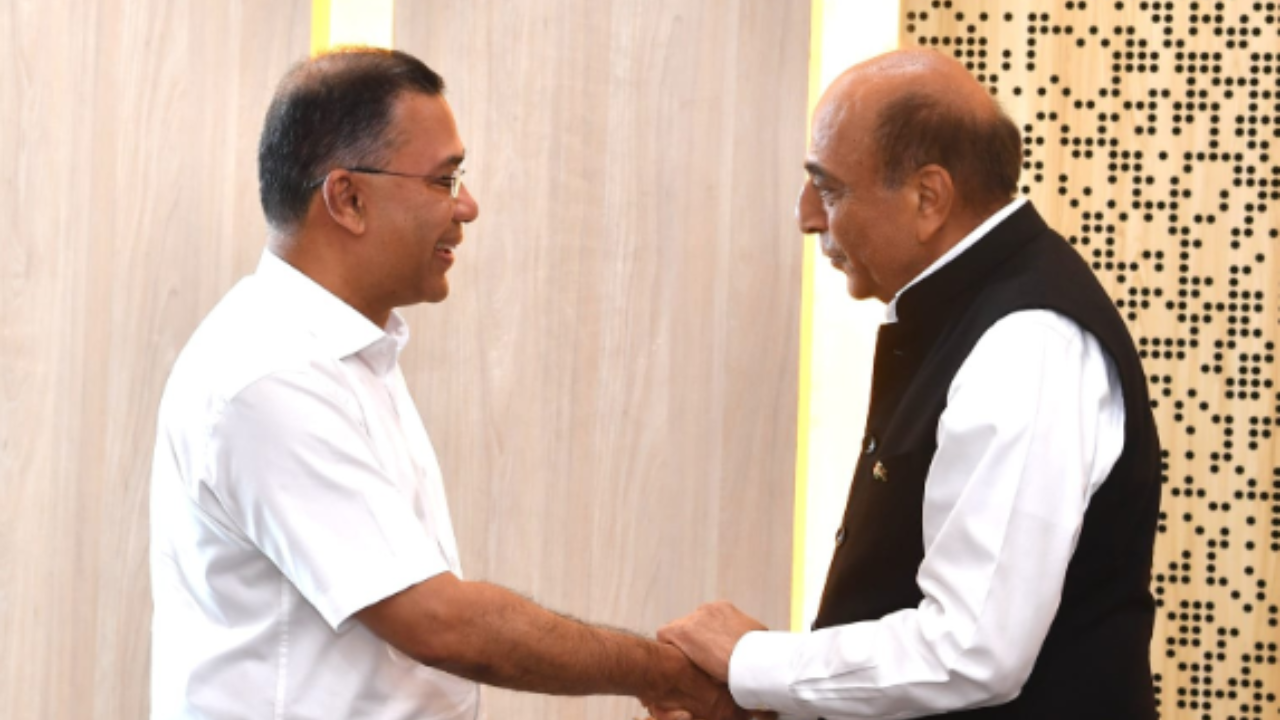
Geopolitics rarely moves quietly, and right now, the diplomatic wire between Dhaka and New Delhi is buzzing. Bangladesh Prime Minister Tarique Rahman just sat down with India’s newly appointed High Commissioner, Dinesh Trivedi. The core message delivered across the table was sharp. Dhaka wants former Prime Minister Sheikh Hasina back, and they expect India to speed up the process.
If you are wondering why this friction refuses to fade away, look at the timeline. Hasina has been living in self-imposed exile in India since her government collapsed during the fierce student-led mass uprisings back in August 2024. She faces severe legal penalties back home, including a death sentence handed down late last year. Her continued presence across the border is a massive thorn in the side of bilateral ties.
The Spark That Reignited Tensions
Things escalated sharply just days before the high-level meeting. Sheikh Hasina broke her long silence by addressing a virtual audio conference hosted in New Delhi. During that event, she publicly attacked the current administration and declared her intention to return to Bangladesh by December.
Dhaka reacted with fury. Foreign Minister Khalilur Rahman made it clear that allowing an exiled, convicted fugitive to broadcast political vitriol and undermine the Bangladeshi judiciary crosses a hard red line. When Trivedi met with Prime Minister Tarique Rahman, the diplomatic feedback was blunt. Dhaka expects India to respect the structural integrity of its state institutions and block any future platforms that grant Hasina a megaphone.
What Dhaka Is Actually Demanding
The extradition request isn't happening in a vacuum. Tarique Rahman's government is balancing public outrage with the hard reality of managing a superpower neighbor. During the meeting, the administration laid down specific expectations:
- Expedited Extradition: Dhaka formally asked New Delhi to fast-track the legal procedures required to send Hasina back to face justice.
- The Osman Hadi Case: Bangladesh pressed for the immediate handover of suspects tied to the murder of youth activist Shaheed Osman Hadi, following arrests made by police in West Bengal earlier this year.
- A Conducive Environment: Rahman explicitly stated that building stable, cooperative relations requires New Delhi to stop actions that inflame public anger in Bangladesh.
Indian officials, for their part, are trying to project calm. High Commissioner Trivedi described the talks as constructive and emphasized that democracies can always work through friction. Intelligence chief Parag Jain also landed in Dhaka around the same time, signaling that security establishments on both sides are scrambling behind closed doors to keep channels open.
The Road Ahead for South Asia
Can these two neighbors reset their relationship? Right now, invitations for Tarique Rahman to visit India and attend upcoming regional summits hang in the balance. Dhaka is holding its cards close, making it clear that diplomatic warmth depends entirely on how New Delhi handles the fallout of hosting a deposed leader.
The ball is firmly in India's court. If New Delhi wants a stable partner in Dhaka, ignoring Bangladesh's legal and security demands is no longer an option.