A young man dies on an electric scooter at four in the morning, riding without a helmet on a fractured piece of municipal asphalt, and the knee-jerk mob reaction is predictable. Fire up a petition. Cancel the pilot project. Scapegoat the machine.
It is a deeply emotional response to an absolute heartbreak. But policy built entirely on grief is bad policy. When Kamloops residents signed up by the thousand to yank shared e-scooters off the streets following the tragic death of 18-year-old Hunter Dennis, they weren’t fighting for safety. They were engaging in safety theater.
Let’s strip away the sentiment and look at the mechanical reality of what actually happened. The RCMP confirmed no other vehicles were involved. Investigators found no helmet at the scene. Witnesses noted the rider hit a rough, uneven patch of municipal pavement in the dark of early morning.
Yet the petition targets the scooter. By that absurd logic, every pothole in British Columbia should have its own memorial, and every gravity-driven bicycle should be crushed into scrap metal.
We have seen this panic before. Whenever a new micro-mobility tool disrupts legacy automotive dominance, urban moral panic follows a rigid script. A tragedy occurs under specific, avoidable risk factors—speed, darkness, missing safety gear, poor infrastructure—and city councils rush to appease the loudest voices by legislating backward.
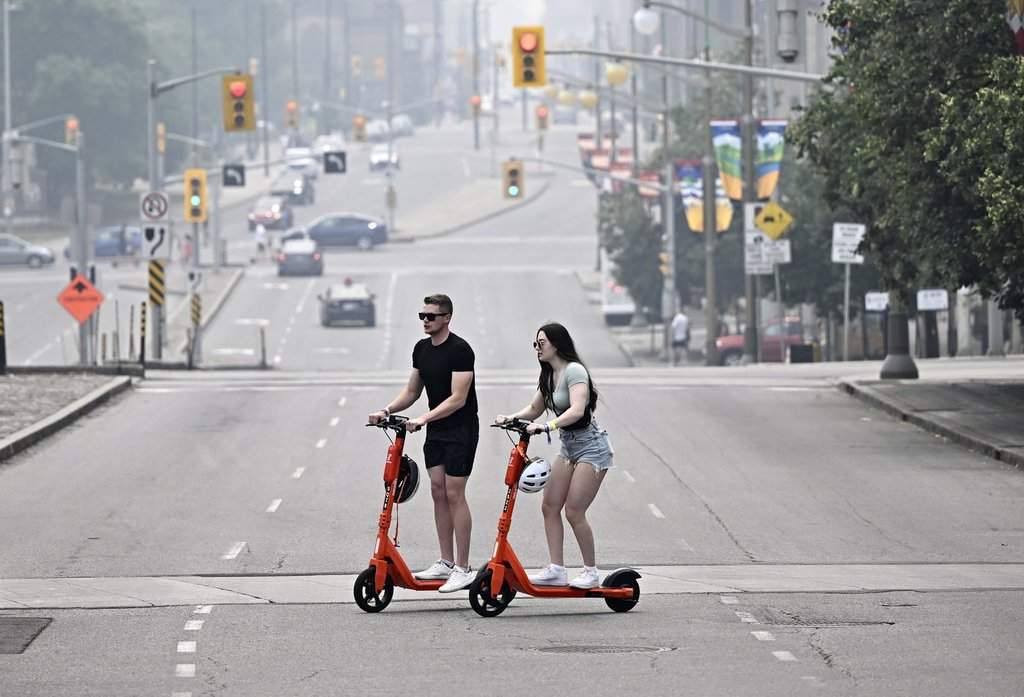
Let us be entirely clear about the definitions here. Micro-mobility refers to lightweight, low-speed vehicles operating independently of heavy internal combustion engines. They are designed to solve the last-mile transit crisis. When cities ban them because people refuse to wear helmets or fix crumbling roads, they are not protecting citizens. They are preserving car supremacy under the guise of compassion.
Think of a scenario where every single e-scooter in Kamloops is permanently impounded tomorrow. Does urban transit get safer? Traffic data from North American municipalities that banned these programs shows a predictable migration of commuters back into private automobiles and heavier motor vehicles. That shift spikes pedestrian danger, increases carbon emissions, and amplifies total transit fatalities. You do not save lives by forcing people back into two-ton steel cages. You simply trade one set of risks for a much deadlier one.
The lazy consensus claims that e-scooters are inherently lethal machines. The data tells a very different story. The primary variable in micro-mobility trauma is not the motor; it is infrastructure design and personal protection equipment compliance. Municipalities love launching pilot programs to look progressive while starving those same programs of the physical infrastructure required to support them.
If Kamloops city council wants to honor a young man’s memory, caving to a reactionary ban is the coward's way out. A real solution requires structural brutality.
First, stop blaming software-locked scooters for hardware-level road decay. If a municipal road surface is rough enough to throw an 18-year-old off a deck at 4 a.m., that road is a public hazard to cyclists, skateboarders, and pedestrians alike. Fix the asphalt.
Second, enforce helmet laws with the same aggressive ticketing used for seatbelts. If rental companies fail to integrate active helmet-locking mechanisms or compliance checks, fine them out of the market. But do not throw out the transportation mode just because enforcement has been weak.
Third, redesign the streets to separate vulnerable transit modes from heavy vehicles and poor maintenance zones.
The petition demanding the end of the pilot program is a distraction from municipal accountability. Blaming the tool lets the road builders off the hook.
Stop fighting the future just because it requires better paving.