The kitchen is quiet at five in the morning. Before the roar of traffic fills the streets of Taipei, before the MRT stations swell with commuters clutching warm soy milk and egg crêpes, the neighborhood stall owner is already standing over his wok. He heats the oil. It is a familiar rhythm, one repeated across thousands of night markets and family-run restaurants every single day.
We trust that oil. We trust the golden shimmer it casts over fried pork chops, scallion pancakes, and stir-fried basil. We assume that the bottle sitting on the shelf, bought from a trusted market vendor bearing standard government certification, holds nothing more dangerous than compressed seeds and honest work.
Until it doesn't.
Scandals involving tainted cooking oil are not merely matters of corporate greed or regulatory failure. They strike at the very stomach of daily life. When tainted lard or recycled kitchen waste oil finds its way back into the food chain, the poison is not loud. It does not detonate. It lingers quietly, absorbed into the morning breakfast, the afternoon Bento box, and the late-night supper shared with friends.
And when the truth breaks, the shockwave travels far beyond the bounds of food safety. It hits the ballot box.
The Chemistry of Discontent
Politics in a democracy often feels distant, built on grand speeches, geopolitical maneuvering, and economic forecasts that look like abstract art on a television screen. Yet, nothing mobilizes an electorate quite like a visceral breach of everyday safety.
Consider how public anger crystallizes. When a food scandal hits the headlines in Taiwan, the public reaction is rarely confined to outrage at the rogue manufacturer. The anger moves upward, cascading through layers of governance. People ask simple, devastating questions: Where were the inspectors? Who signed off on the permits? Why did it take an independent whistleblower to expose what the state apparatus missed?
History shows a clear behavioral pattern. In times of crisis, trust acts as a finite currency. When citizens feel they cannot trust what goes into their bodies, they instinctively withdraw their trust from those holding the reins of power.
The ruling party of the moment invariably bears the brunt of this frustration. It matters little whether the loophole in the regulatory framework was inherited from a previous administration or exposed on their watch. The weight of the office means carrying the blame for the kitchen table anxiety felt by millions of households.
Opposition parties understand this dynamic intimately. They do not need to manufacture a crisis; they merely need to hold a mirror up to the existing systemic vulnerability. They step into the vacuum left by public anxiety, offering themselves as the corrective force.
The Anatomy of a Political Shift
To understand how a cooking oil scandal can alter the trajectory of an election, we must look past the talking points and examine the human psychology of betrayal.
Food is identity in Taiwan. Culinary culture is a point of immense pride, a rich tapestry of regional flavors brought over by waves of migration, adapted, perfected, and celebrated night after night. When that culture is compromised by industrial shortcuts and illicit recycling rings, the wound feels personal.
Imagine a restaurant owner who built his reputation over thirty years on the crispness of his fried chicken. When news breaks that suppliers have been adulterating cooking oils with substandard or recycled grease, his business suffers alongside the corrupt corporations. Customers hesitate. Sales drop. Fear fills the air.
That restaurant owner, and the dozens of loyal patrons who eat at his counter every week, look for someone to hold accountable. They are tired of apologies that sound like public relations scripts. They want tangible accountability.
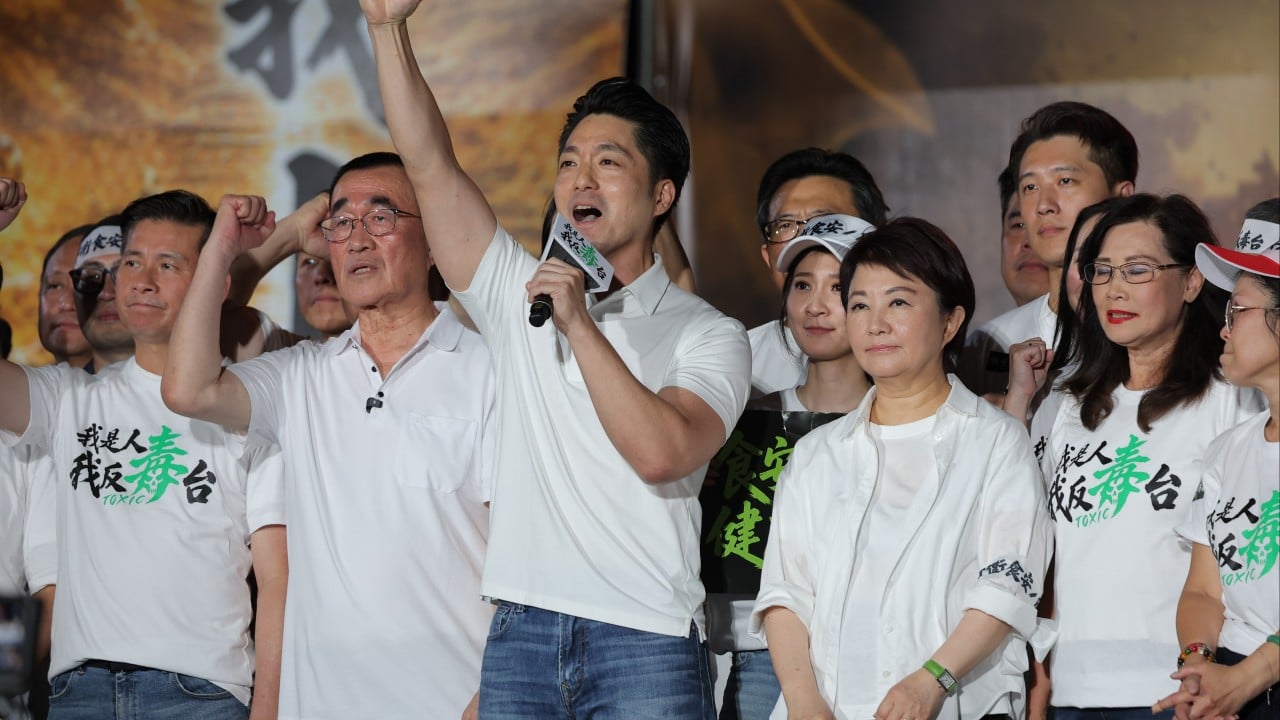
When the opposition candidates walk through those same night markets, they do not talk about complex trade tariffs or abstract legislative bills. They talk about safety. They talk about clean food, strict oversight, and the fundamental duty of the state to protect its people. It is a message that resonates deeply because it is grounded in the immediate physical reality of the voter.
The political calculus shifts overnight. Issues that dominated the news cycle a week prior—foreign policy nuances or budgetary allocations—fade into the background. The debate narrows to a single, sharp point: competence. Can the current administration keep our food safe, or is it time for a change?
The Invisible Stakes
The real danger of these recurring food safety crises lies in cynicism. When scandals repeat themselves over the years—from gutter oil incidents past to modern supply chain exposures—a dangerous fatigue sets in.
People begin to shrug. They wonder if anything will ever truly change. They question whether every regulatory agency is merely a paper tiger, toothless and reactive rather than proactive.
This cynicism is the quiet killer of democratic participation. Yet, paradoxically, it also fuels explosive political shifts. Voters may feel cynical about the system as a whole, but that cynicism often manifests as a desire to punish whoever is currently in charge. Throw the rascals out is an old political impulse, but it finds fresh, combustible fuel every time a basic household staple is revealed to be a health hazard.
The opposition does not necessarily need to present a flawless alternative. In the wake of a major scandal, they simply need to provide a vessel for public anger. They become the megaphone for a society that feels unheard by bureaucrats sitting in air-conditioned offices far removed from the grease and heat of the local frying pan.
The Morning After
The political fallout from a food scandal rarely ends with a single news cycle or a sharp drop in approval ratings. It alters the legislative agenda, forces hasty ministerial resignations, and rewrites campaign strategies for the next major election cycle.
Yet, long after the politicians have packed away their microphones and the investigative reports have scrolled off the front page, the kitchen lights in Taipei still turn on at five in the morning.
The vendor heats his wok. He checks the label on the fresh drum of oil, his eyes lingering just a second longer than they used to, searching for a sign of reassurance that may or may not be true.
The political winds will shift. New leaders will take office, promising vigilant oversight and ironclad protections. But the deeper test remains unchanged, written not in policy papers, but in the quiet, watchful eyes of a people learning all over again how difficult it is to know what you are truly swallowing.


