The Sound of Iron on Iron
Dawn breaks cold over the Detroit River. On the Ambassador Bridge, a semi-truck loaded with auto parts idles, its diesel engine humming a low, steady bass note that vibrates through the asphalt. Inside the cab, driver Sarah Jenkins checks her watch. It is five in the morning. By noon, those transmission gears are supposed to be on a factory floor in Ontario. By tomorrow evening, the completed vehicle should roll off an assembly line in Ohio.
At least, that was the plan.
Trade is supposed to be invisible. When it works, it is the silent oil in the machinery of daily life, moving steel, grain, and microchips across borders with the quiet efficiency of a heartbeat. You do not think about customs duties when you pour milk on your cereal or turn the ignition key in your driveway. You simply expect the world to function.
Right now, that machinery is grinding to a halt.
When Retaliation Becomes Routine
To understand why Sarah’s truck might sit here for hours—or why the cost of your next car insurance payment is about to inch upward—we have to look past the dry wire reports coming out of Washington and Ottawa.
The political chess match has escalated. Following aggressive U.S. tariffs and protective postures designed to shield domestic manufacturing, Canada did not fold. It struck back. Targeted retaliatory duties on iconic American goods—ranging from bourbon to steel—landed with precise political weight.
And Washington responded.
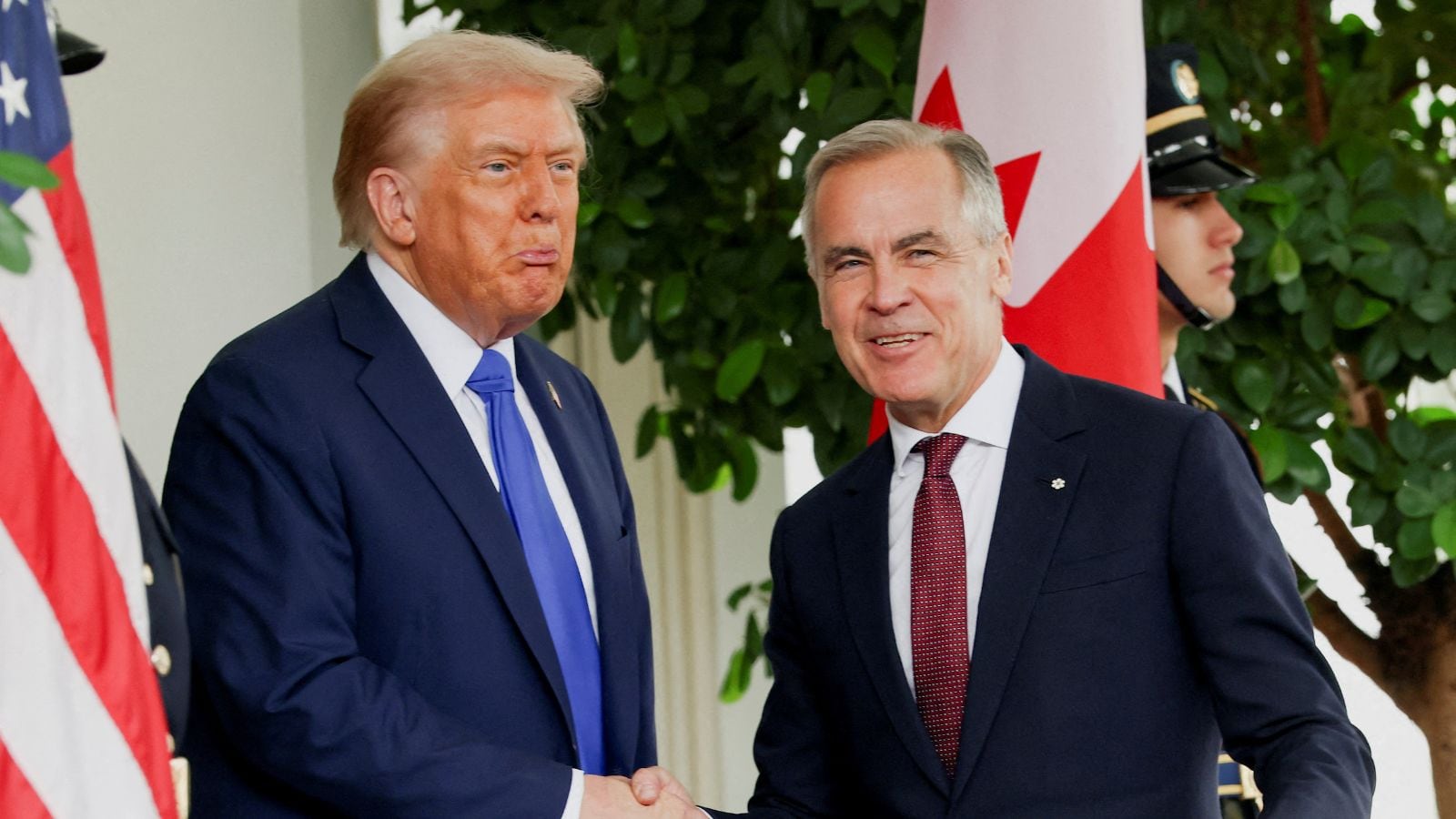
Donald Trump, eyeing the retaliatory measures with characteristic intensity, weighed fresh trade penalties against America's northern neighbor, threatening a new spiral of economic brinkmanship. Economists call this a tariff war. Regular people call it a slow-motion tax hike on everything.
Let us be honest. This subjects us to a dizzying vocabulary of numbers and threats that sound abstract until they hit your wallet. A tariff is not a punishment paid by a foreign government. It is a tax collected at the port of entry, paid by the importer, and passed down directly to the person buying the product.
When two interconnected economies start throwing punches across an undefended border, nobody wins cleanly. Both sides bleed.
The Anatomy of an Integrated Life
Consider what happens next in a cross-border supply chain. It is not like shipping goods across an ocean, where a container sits on a massive cargo ship for weeks. North American manufacturing is an intricate dance of mutual dependence.
An engine block crosses the border three times before a car is finished. Steel is forged in Indiana, stamped in Windsor, assembled in Michigan, and wired with components from Quebec. To slap sudden, punitive trade measures on this ecosystem is like trying to untangle two ballpoint pens that have been jammed together in a blender. You just break the ink cartridges.
Sarah knows this intimately. She has been driving rigs across the Michigan-Ontario border for twenty-two years. She remembers when crossing felt like a formality, a friendly wave from a border guard who knew her first name.
"Nowadays," Sarah says, cutting the engine as the traffic queue stalls completely, "every paper clip has to have a pedigree. Every bolt has to carry a political opinion. We are hauling freight, but lately, it feels like we are hauling political anxiety."
The anxiety is real. When trade policy shifts based on social media posts and sudden press conferences, businesses cannot plan for next month, let alone next decade. Expansion plans freeze. Hiring halts. Capital flees uncertainty.
The Human Cost of Economic Nationalism
It is easy to cheer for protectionism when it is presented as a heroic defense of local jobs. The rhetoric is intoxicating. We will build it here. We will buy our own. We will stand tall.
The emotional pull of economic nationalism is powerful because it taps into a deep, understandable desire for self-reliance. Who doesn't want their community to thrive? Who wants to watch local factories close their doors while cargo ships unload foreign goods at slashed prices?
But the execution is messy. Modern manufacturing cannot simply be legislated back into a vacuum. You cannot snap your fingers and instantly recreate decades of deeply integrated supply chains, specialized labor pools, and resource networks.
When you penalize your largest trading partner—a nation that buys more American goods than China, Japan, and the United Kingdom combined—you invite immediate blowback. American farmers, heavy machinery makers, and energy producers find their exports suddenly uncompetitive in Canadian markets.
So the warehouses empty out. The silos fill with unsold grain. And the cost trickles down to the consumer, who pays more for lumber to build a home, more for energy to heat a winter kitchen, and more for groceries to feed a family.
The Warning Signs We Ignore
We have walked this road before. History whispers a clear warning to anyone willing to listen. Trade wars rarely stay localized. They metastasize. They breed distrust between allies who share the longest peaceful border on earth.
When economic ties fray, diplomatic goodwill erodes right along with them. Neighbors start looking at each other with suspicion rather than cooperation.
Back on the Ambassador Bridge, the queue finally shifts. Sarah releases her parking brake. The heavy diesel chugs back to life, pumping thick exhaust into the crisp morning air. She shifts into first gear, moves forward twenty feet, and stops again.
She still has six hours left on her shift. The customs form on her dashboard is three pages longer than it was last year. The political temperature in Washington is climbing, and somewhere in Ottawa, officials are drafting the next round of countermeasures.
The truck creeps forward, inch by measured inch, carrying a load of iron across a line that feels heavier with every passing mile.