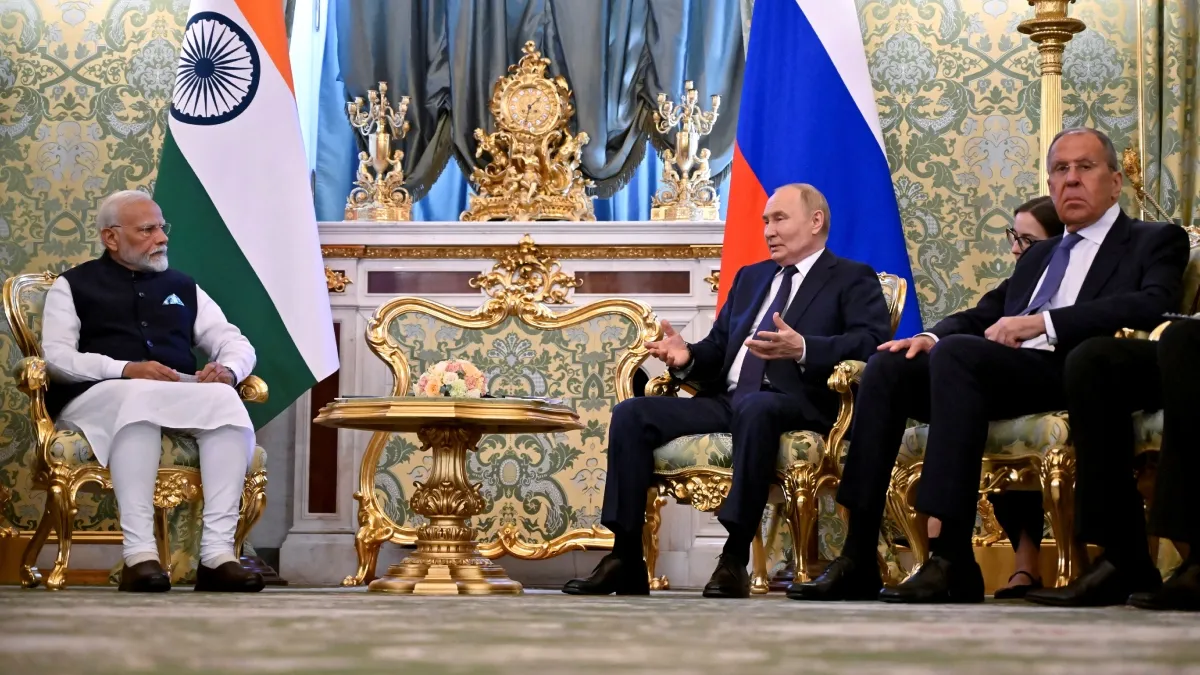
Diplomatic handshakes are the cheap theater of geopolitics. When the Chinese Envoy smiles at a BRICS Foreign Ministers’ Meet and talks about being "ready to support India," the global press corps falls for the same tired script. They call it a "thaw." They call it "strategic realignment."
They are wrong.
What we are witnessing isn't a pivot toward cooperation. It is a masterclass in managing decline through performative multilateralism. The consensus view—that BRICS is a rising alternative to Western hegemony—ignores the fundamental friction that makes the bloc a collection of mismatched parts rather than a well-oiled machine. China isn't supporting India; China is babysitting a rival to ensure the neighbor doesn't fully bolt into the arms of the Quad.
The Myth of the BRICS Monolith
The loudest voices in international relations want you to believe that BRICS is the new G7. It makes for a great headline. It scares the Davos crowd. But look at the math.
The economic disparity within the group is staggering. You have China, a manufacturing leviathan; India, a service-oriented powerhouse with protectionist streaks; and Russia, a resource-driven economy currently isolated from the global financial plumbing. Adding "BRICS+" members only dilutes the mission further.
When an envoy stands up and pledges support for India’s presidency or its role in the group, they aren't offering a blank check. They are issuing a polite restraining order.
Beijing’s Calculated Vulnerability
The "support" mentioned in these high-level meetings is often transactional and shallow. Take the Border Peace agreements or the cooling of rhetoric over the Line of Actual Control (LAC). These aren't signs of newfound friendship. They are tactical pauses.
China is currently fighting a multi-front economic war. With the US tightening chip exports and the EU launching anti-subsidy probes into electric vehicles, Beijing cannot afford a hot conflict with New Delhi. Stability is a tool for survival, not a sign of affection.
The media focuses on the "support" for India’s rise within BRICS, but they miss the real story: China’s desperate need to keep the global south from fracturing. If India becomes the definitive leader of the developing world, China loses its primary leverage against the West.
India is Not Buying the PR
New Delhi is smarter than the analysts giving it advice. Indian policymakers know that "support" from a neighbor that continues to build infrastructure in disputed territories is a hollow gift.
While the Chinese Envoy talks about cooperation, India is simultaneously:
- Hardening its telecommunications infrastructure against Chinese hardware.
- Incentivizing global manufacturers to move supply chains out of the Pearl River Delta and into Tamil Nadu or Gujarat.
- Strengthening maritime ties with the US and Japan.
You don't do these things to a partner you trust. You do these things to a competitor who is trying to hug you too tight.
The Currency Fantasy
One of the most persistent "lazy consensus" ideas is the "BRICS Currency." Every time these ministers meet, Twitter experts claim the Dollar is dead.
Let's look at the reality of the BRICS Pay system or local currency settlement. For a currency to work as a global reserve, it requires three things: liquidity, stability, and trust.
- Liquidity: Try buying $50 billion worth of specialized medical equipment in Brazilian Real.
- Stability: Look at the Ruble’s chart over the last 24 months.
- Trust: Does India trust China enough to hold 40% of its reserves in Yuan? Absolutely not.
The talk of de-dollarization is a psychological operation. It’s meant to signal discontent to Washington, not to actually replace the SWIFT system. When the Chinese Envoy says they are "ready to support," they are really saying they want you to use their banking rails so they can see your data.
Cooperation is a Code Word for Encroachment
In my years tracking regional trade flows, I’ve seen this pattern repeat. China offers "support" in the form of infrastructure or diplomatic backing in multilateral forums. Two years later, the recipient country realizes they've traded their sovereign decision-making for a high-interest loan or a lopsided trade deficit.
India is the only member of BRICS with the scale to say "no" to this gravity well. That is why these meetings are so performative. China has to play nice because India is the only thing standing between BRICS being a "Global South" club and it just being "China and Friends."
The Friction is the Feature
We are told that internal friction is a weakness of BRICS. That’s a fundamental misunderstanding. The friction is exactly why the group exists.
It is a forum for rivals to manage their animosity so it doesn't spill over into trade-stopping war. It’s a pressure valve. When the envoy attends these meetings, they aren't there to build a new world order; they are there to make sure the current disorder doesn't hurt their bottom line.
Stop Asking if BRICS Will Succeed
The question itself is flawed. "Success" for BRICS would mean a unified fiscal policy or a mutual defense pact. Neither will ever happen.
The real question is: How long can China use the veneer of BRICS solidarity to mask its own domestic slowdown?
By positioning itself as the "supporter" of India and other emerging markets, China tries to claim the moral high ground. It’s a brilliant PR move. It paints the US as the "disrupter" and China as the "stabilizer."
But stabilization is often just another word for stagnation.
If you want to understand the future of the Indo-Pacific, ignore the joint statements released after these foreign ministers' meets. Ignore the photos of smiling envoys. Look at the satellite imagery of the borders. Look at the shipping manifests in the Malacca Strait.
The rhetoric says "cooperation." The reality says "containment."
Beijing isn't opening its arms; it's protecting its flank. India isn't joining a new alliance; it's keeping its enemies close. BRICS is a marriage of convenience where both parties have already signed the divorce papers but are staying together for the sake of the neighbors.
Quit looking for a "new era" of diplomacy. This is just the old era with a better lighting crew.
Build your own hedges. Diversify your own supply chains. Trust the friction, not the smiles.