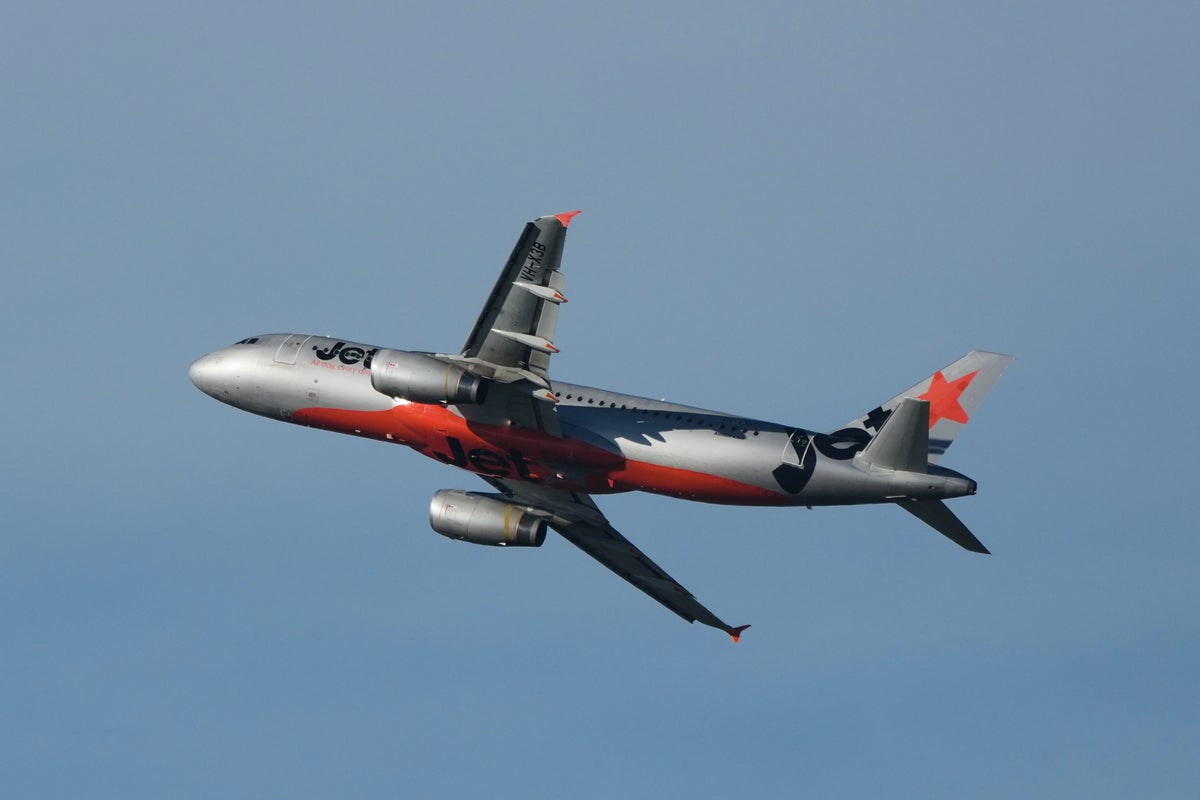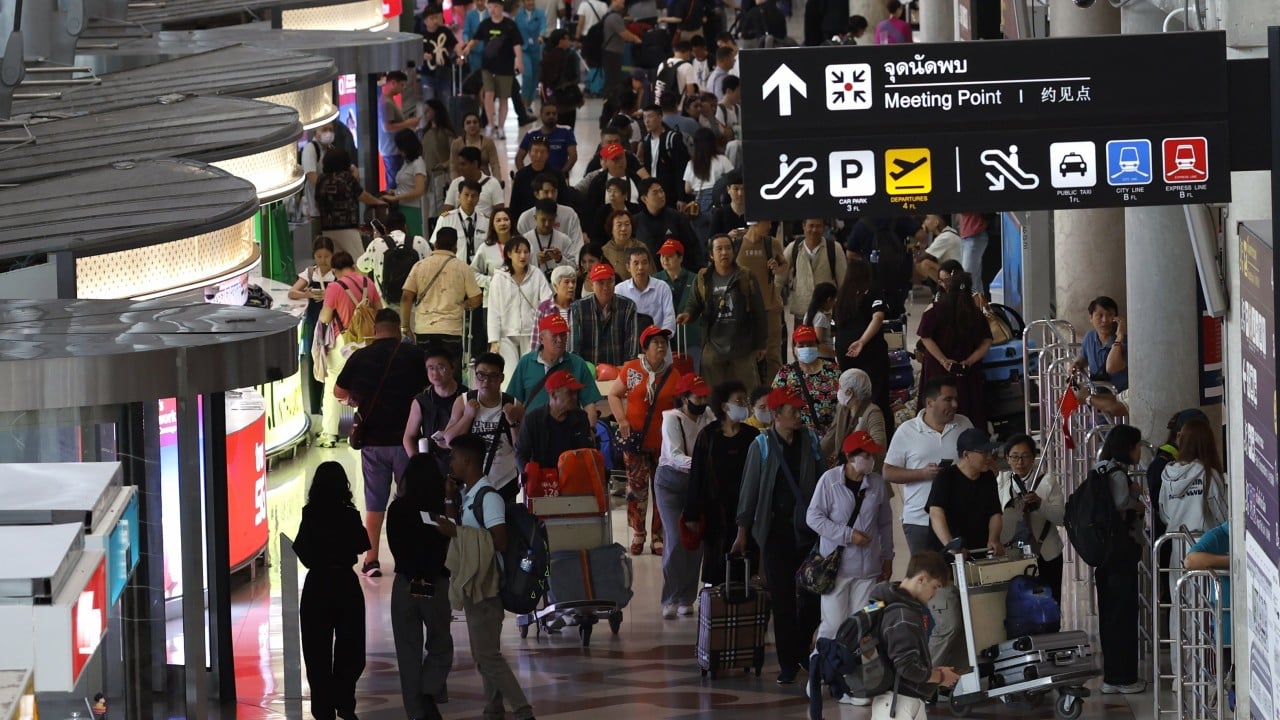
The air inside a modern international terminal never truly settles. It is a strange, synthetic atmosphere, scrubbed clean of weather and seasoned only by the low hum of jet engines, the scratchy announcements of delayed flights, and the collective anxiety of thousands of people moving between lives they have left and lives they are desperately trying to reach.
You know the feeling. You are standing on a worn carpet, clutching a boarding pass that feels less like a ticket and more like a permission slip to exist in transit. Your feet ache. Your phone battery is dipping into the red. You have eaten a stale sandwich that cost fourteen dollars. And then, a voice crackles over the loudspeaker.
Gate change.
In that single moment, the fragile social contract of the airport fractures.
To understand what happened recently at a major aviation hub in Bangkok, where a routine boarding procedure collapsed into a chaotic confrontation between airport officials and a group of Chinese tourists, you have to look past the grainy smartphone footage. You have to look at the psychology of the modern traveler. We treat airports like neutral zones, but they are high-stress psychological pressure cookers.
Consider what happens next.
A flight is delayed. Information trickles out in broken English and fragmented digital displays. Fatigue sets in. For the tourists involved in the Bangkok incident, what began as a simple wait at a boarding gate slowly morphed into an invisible war of attrition. Communication broke down. Frustration mounted. Cultural nuances, language barriers, and the sheer exhaustion of international transit collided in a narrow corridor of concrete and glass.
When an official apology eventually arrives from airport management, it reads like a boilerplate corporate concession. Words are chosen carefully. Apologies are issued for any "inconvenience caused." But an apology printed on a press release cannot mend the frayed nerves of passengers who felt ignored, nor can it restore the reputation of frontline staff who are simply trying to manage an impossible volume of humanity with shrinking resources.
Let us be honest about how travel works today.
We have optimized the mechanics of flight down to a microscopic science. Aircraft are marvels of engineering, capable of hurtling hundreds of souls across continents in a matter of hours. Algorithms predict wind currents, fuel consumption, and optimal seating configurations. Yet, we remain utterly primitive when it comes to managing the human element.
When a clash occurs at a boarding gate, it is rarely about the gate itself. It is about a breakdown in dignity.
Imagine standing in a foreign country, surrounded by unfamiliar signage, unable to read the local script or catch the rapid-fire cadence of an announcement. Now add the weight of heavy luggage, the anxiety of a missed connection, and the cold indifference of a security barrier. Fear often masquerades as anger. When people raise their voices at a gate agent, they are usually screaming at the vast, uncaring machine of global travel that has rendered them anonymous.
The staff caught in the middle face an entirely different kind of pressure. They are the human face of an invisible corporation. They absorb the fury of delayed passengers not because they caused the delay, but because they are simply standing within arm's reach. They are trained in procedures, but no manual prepares a twenty-four-year-old agent for the sudden surge of a hostile crowd demanding answers that corporate headquarters has not yet bothered to provide.
This is the hidden cost of modern efficiency.
In our relentless pursuit of turnaround times and maximum passenger throughput, we have stripped the journey of its humanity. Every square foot of terminal space is monetized. Every minute of a plane's time on the tarmac is calculated down to the second. But when the system stumbles—when a mechanical failure or a scheduling conflict ripples through the day—the human shock absorbers take the brunt of the impact.
The incident in Bangkok serves as a stark reminder that international aviation is fundamentally a cultural exchange long before it is a logistics network.
Tourists traveling abroad carry expectations shaped by their home cultures. In many busy hubs across Asia, high-density crowds and assertive queuing are part of the daily urban rhythm. Conversely, strict adherence to rigid queue protocols is expected in other jurisdictions. When these unwritten behavioral codes clash under high-stress conditions, misunderstandings escalate with terrifying speed.
What is desperately needed is not a better PR strategy or a more carefully worded apology after the fact. What is required is an investment in empathy training and real-time, transparent communication. If passengers know why they are waiting, the psychological weight of the wait diminishes. If staff are empowered to speak candidly rather than parrot corporate talking lines, tension dissolves before it can ignite.
Next time you find yourself standing in a crowded terminal, watching the departure board flicker with frustrating updates, look around. Notice the family trying to calm a crying toddler on a plastic chair. Notice the gate agent staring down at a glowing monitor, shouldering the silent weight of a hundred impatient stares.
We are all just trying to get home. Or perhaps, we are just trying to find somewhere that feels like it.
The metal bird waits outside on the tarmac, its turbines spooling up, ready to drag us through the clouds. But until we learn to build bridges out of something more durable than concrete rules and rushed apologies, the real turbulence will always happen on the ground.