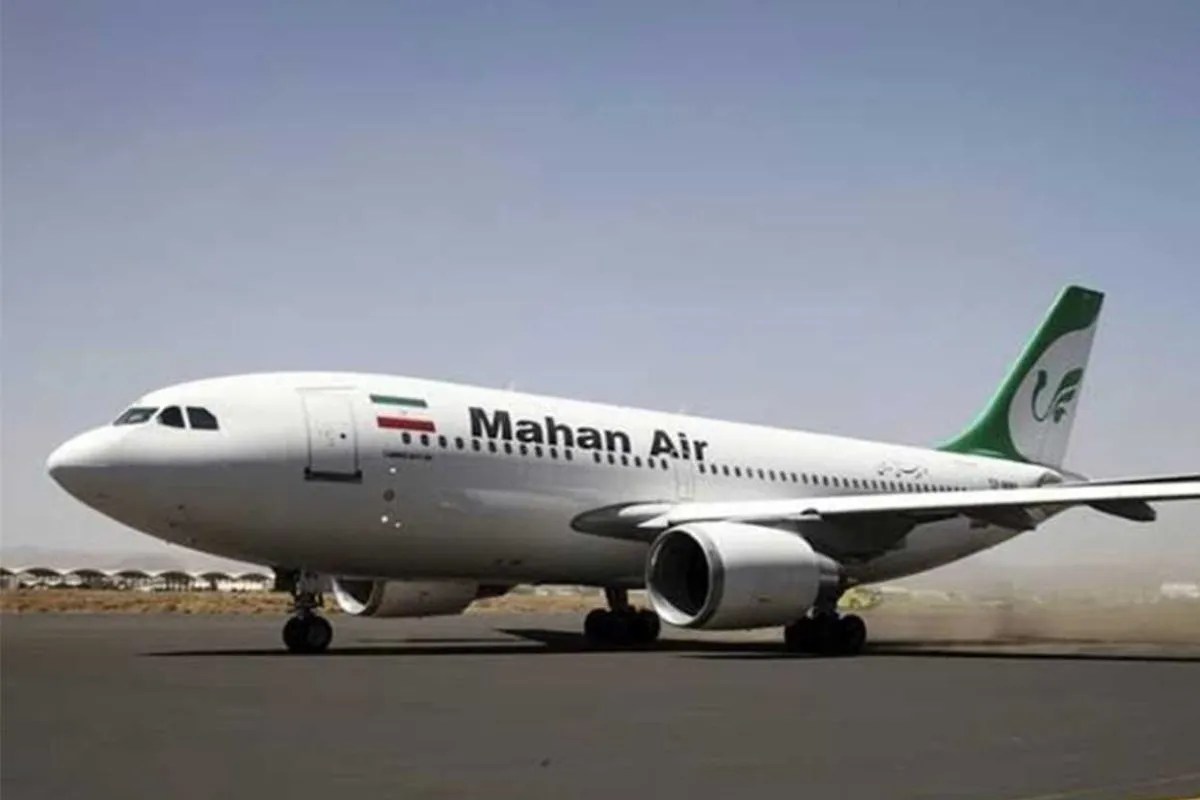
The global aviation map is rewriting itself through economic warfare. When United States Treasury Secretary Scott Bessent laid down the law regarding Iranian carriers—threatening secondary sanctions severe enough to sever any international airport, ground handler, or ticketing service from the global dollar ecosystem—Washington expected the usual compliance cascade. Regional hubs buckled almost instantly. Turkey, Iraq, and various Gulf states clipped their wings, pulling the plug on connections to Tehran.
Yet, Beijing refused to fall in line.
China's foreign ministry pushed back hard, characterizing the American measures as illegal unilateral sanctions lacking any foundation in international law or authorization from the United Nations Security Council. This diplomatic friction is not merely about aviation logistics. It marks the last remaining high-altitude lifeline for an isolated state, exposing the structural limits of Washington's financial reach when a superpower rival decides to look the other way.
Understanding why Beijing chose to absorb the diplomatic shockwave requires looking at the mechanics of secondary sanctions. Treasury's strategy relies on the absolute dominance of the U.S. dollar in global clearing systems. Any entity that refuels, services, or sells tickets to blacklisted Iranian aircraft risks being cut off from SWIFT and dollar-denominated accounts. For commercial operators in Western-aligned jurisdictions, the math is simple. Complying with Washington is mandatory because the alternative is corporate death.
For Chinese state-owned conglomerates and independent actors, the calculus differs. Beijing views these extraterritorial edicts as an assault on its sovereign trade rights. The friction points extend past passenger jets into crude oil supply chains, where Chinese independent refineries have long absorbed heavily discounted Iranian barrels.
Tehran, meanwhile, finds itself compressed into a tight corridor. With regional neighbors closing airspace or restricting flight permissions under intense pressure from Washington, Iranian carriers face an unprecedented logistical choke point. Iranian officials responded to the regional compliance wave with sharp warnings, threatening severe retaliatory friction for any neighbor cooperating with the American embargo.
This creates a high-stakes standoff across Asian skies. The threat of an effective air blockade around Iran forces Tehran to lean entirely on its eastern economic anchor. If Beijing’s runways remain open, Iranian aviation stays on life support. If those paths close, isolation becomes absolute.
The broader geopolitical reality points toward a fragmented international order. Washington continues to tighten the economic tourniquet, utilizing the weaponized dollar to enforce compliance across foreign jurisdictions. Beijing, conversely, uses diplomatic forums and bilateral trade shielding to signal that alternative economic architectures can exist outside Washington's orbit.
As diplomatic delegations prepare for high-level summits, the aviation corridor to the East remains the single thread keeping Iran connected to the outside commercial grid. This friction ensures that financial coercion will continue to meet structural resistance, setting the stage for a prolonged contest over who writes the rules of global transit.