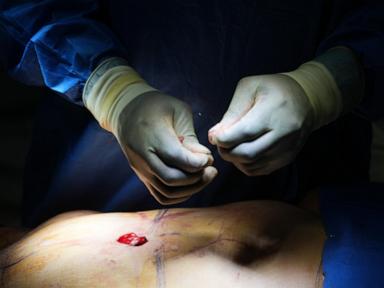
The global surge in cosmetic interventions is no longer a localized phenomenon of the wealthy or the aging. It is a systematic expansion of a multi-billion dollar industry that has outpaced the legal and ethical frameworks meant to govern it. While the public focus remains on the visible results of Botox, fillers, and more invasive surgeries, the underlying reality is a gold rush where medical standards frequently take a backseat to profit margins. This boom is driven by a convergence of social media-induced dysmorphia, the entry of non-medical investors into the clinic space, and a regulatory environment that treats a medical procedure with the same lightness as a haircut.
The industry is currently operating in a vacuum. We see a world where influencers provide medical advice and "medspas" operate with minimal oversight, creating a scenario where the patient is rebranded as a consumer. This shift in terminology is not accidental; it is a calculated move to strip away the clinical gravity of altering the human body.
The Industrialization of Insecurity
The current spike in demand is often attributed to the "Zoom effect," where people spent years staring at their own distorted images on low-resolution webcams. However, that explanation is too shallow. The true driver is the commodification of the human face. In the past, cosmetic surgery was an attempt to fix a perceived flaw or reverse the clock. Today, it is a form of social currency.
Financiers have noticed. Private equity firms are aggressively acquiring independent practices and rolling them into massive, branded chains. When a clinic is owned by a board of directors rather than a lead surgeon, the metrics for success change. Performance is measured in syringe turnover and "upsell" percentages rather than patient outcomes or psychological vetting. This creates a dangerous incentive structure. A surgeon might tell a twenty-year-old they don't need preventative neurotoxins. A regional manager looking at quarterly targets will likely disagree.
http://googleusercontent.com/image_content/185
The Myth of the Lunchtime Procedure
The marketing around non-surgical interventions focuses heavily on convenience. Terms like "liquid facelift" or "baby Botox" are designed to make high-risk medical procedures sound like spa treatments. These are not trivial tasks. Injecting dermal filler into a blood vessel can cause skin necrosis or permanent blindness. Yet, in many jurisdictions, the person wielding the needle may have only completed a weekend course.
The medicalization of beauty has become detached from the ethics of medicine. In traditional healthcare, the "informed consent" process is a sacred duty. In the cosmetic boom, it is often a stack of papers signed in a waiting room while a TikTok video loops on a nearby screen. We are seeing a rise in "filler fatigue," where patients over-inject because their providers refuse to say no. The result is a distorted, homogenized look that many psychologists argue is a symptom of a broader mental health crisis being treated with a needle instead of a conversation.
The Regulation Gap and the Wild West of Social Media
Regulators are consistently three steps behind. While the FDA or equivalent bodies monitor the safety of the substances themselves, they have little control over who administers them or how they are marketed. This has allowed for the rise of the "unfiltered" testimonial—a powerful marketing tool that circumvents traditional advertising laws.
Social media platforms act as an accelerant. Algorithms prioritize high-contrast transformations, often hiding the "botched" results or the grueling recovery periods. These platforms have created a feedback loop where the trend dictates the face. One year it is a sharp, feline eye; the next, it is a specific lip shape. By the time a patient achieves the look, the trend has moved on, ensuring a permanent stream of revenue for the industry.
The Problem with Soft Regulation
Many industry bodies argue for self-regulation, claiming that the market will weed out bad actors. This is a fallacy. In a field where the "product" is a human body, a market correction usually means a trail of disfigured patients. True oversight would require a mandatory cooling-off period between consultation and procedure, strict limits on who can purchase medical-grade injectables, and a total ban on predatory financing schemes that target the vulnerable.
Instead, we see a race to the bottom. Clinics compete on price, which leads to the sourcing of counterfeit products or the hiring of underqualified staff. When you see a "buy one, get one" deal on medical procedures, you are looking at an ethical failure in real-time.
The Psychological Toll of Permanent Trends
The most overlooked factor in this boom is the long-term psychological impact. When a teenager begins "preventative" work, they are entering a lifetime commitment to maintenance. They are also conditioning themselves to see their natural aging process as a series of failures.
We are beginning to see the first generation of patients who have been "enhanced" for their entire adult lives. The data on how long-term filler use affects lymphatic drainage or facial muscle health is still being gathered, but the anecdotal evidence from top-tier surgeons is concerning. They are seeing patients with "filler migration" and "pillowing" that requires complex, expensive, and often painful corrective surgery.
The industry likes to frame this as "empowerment" or "self-care." It is a brilliant bit of branding. It reframes a commercial transaction as an act of political or emotional liberation. But there is nothing empowering about a medical professional ignoring a patient's body dysmorphia to hit a sales quota.
The Illusion of Reversibility
One of the biggest lies sold to the modern patient is that these procedures are temporary and fully reversible. While hyaluronidase can dissolve some fillers, it is not a "reset" button. It can affect the body's natural hyaluronic acid and doesn't always work as intended. Furthermore, the trauma to the tissue from repeated injections can cause scarring and permanent changes to the facial architecture.
Patients are being sold a dream of a risk-free metamorphosis. The reality is that every time a needle or a scalpel is used, there is a permanent change. The industry’s refusal to highlight the permanence of these "temporary" fixes is a primary ethical breach.
Redefining the Standard of Care
To fix the trajectory of this industry, the definition of a "successful" outcome must be overhauled. Currently, success is defined by a change in appearance that matches a digital filter. A more ethical standard would measure success by the long-term stability of the tissue and the psychological health of the patient.
Clinics must be required to have mental health professionals on staff or at least have a robust screening process for dysmorphia. They must also be transparent about the financial incentives of their practitioners. If a nurse is paid a commission on every vial of filler used, the patient must know. Transparency is the only antidote to the predatory nature of the current market.
The Hidden Cost of the Global Supply Chain
Beyond the clinic walls, there is a shadow market of counterfeit and grey-market products. As demand outstrips supply, or as providers look to cut costs, these dangerous alternatives find their way into unsuspecting faces. These substances are often manufactured in unregulated facilities and can contain anything from industrial-grade silicone to heavy metals.
The boom has created a massive incentive for the black market to flourish. When a patient sees a price that is too good to be true, it almost certainly is. But the responsibility shouldn't rest solely on the patient's shoulders. The manufacturers and distributors have a moral obligation to track their products with more rigor, ensuring they only end up in the hands of licensed, ethical practitioners.
The Inevitable Correction
The current trajectory is unsustainable. We are heading toward a massive wave of litigation and a public health crisis as the long-term effects of unregulated, high-volume cosmetic work become undeniable. The "boom" will eventually meet a wall of reality—one made of scarred tissue and ruined finances.
The industry has a choice. It can continue to prioritize the quarterly earnings of private equity groups and the demands of social media trends, or it can return to its roots as a branch of medicine. This requires a rejection of the "consumer" label and a return to the "patient" model. It requires saying no to people who don't need work. It requires acknowledging that a face is not a fashion accessory to be swapped out every season.
If the ethical conversations continue to lag, the government will eventually step in with blunt-force legislation that could stifle genuine innovation. The industry must police its own, or it will be policed by those who do not understand the nuance of the craft.
Demand a consultation that lasts longer than the procedure. Check the credentials of the person holding the needle, and then check them again. If a provider seems more interested in your credit card than your medical history, walk out. The most radical act of beauty in a world obsessed with alteration is the refusal to be sold an insecurity.

.jpeg?width=1200&auto=webp&trim=180%2C0%2C181%2C0)