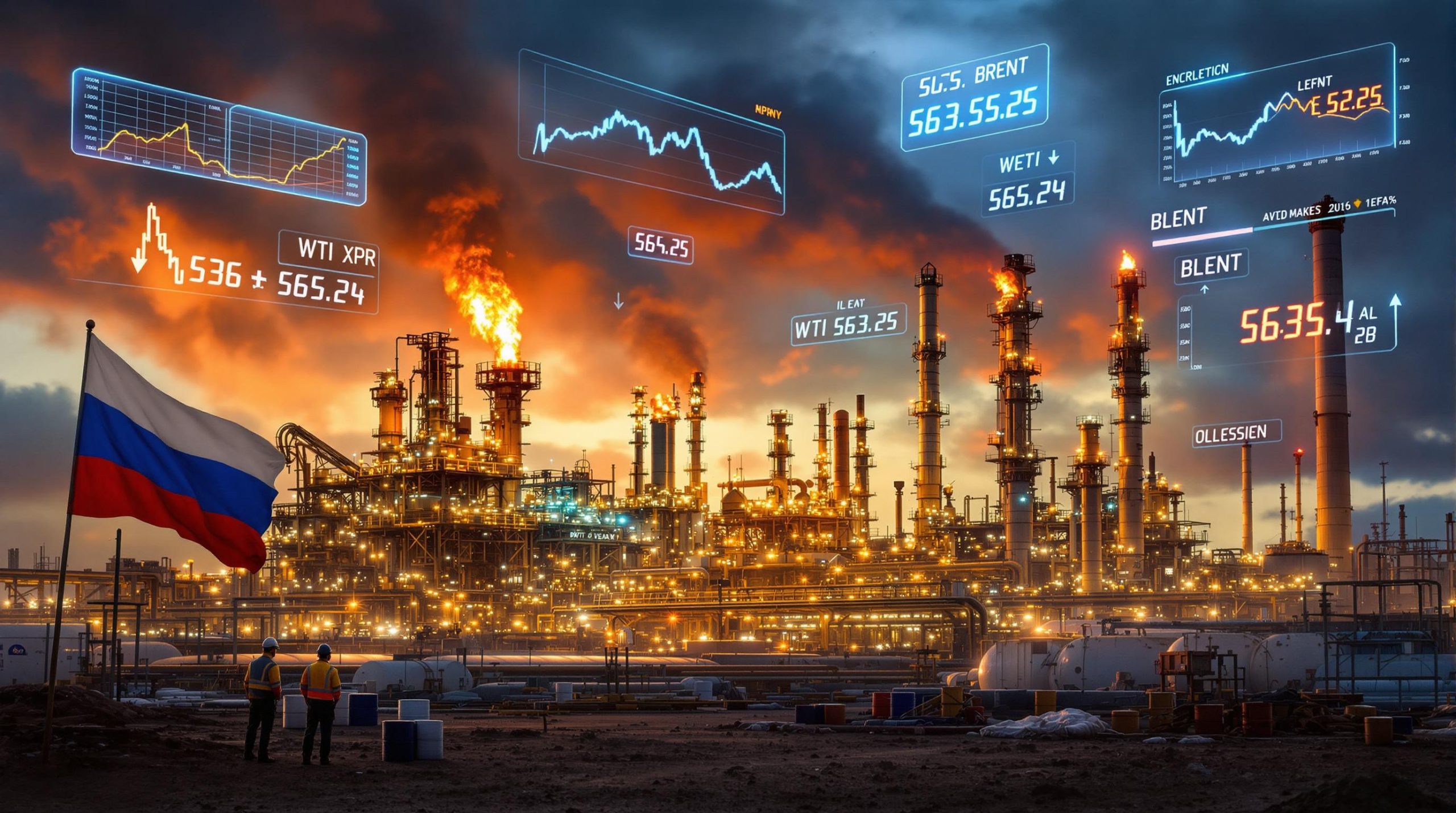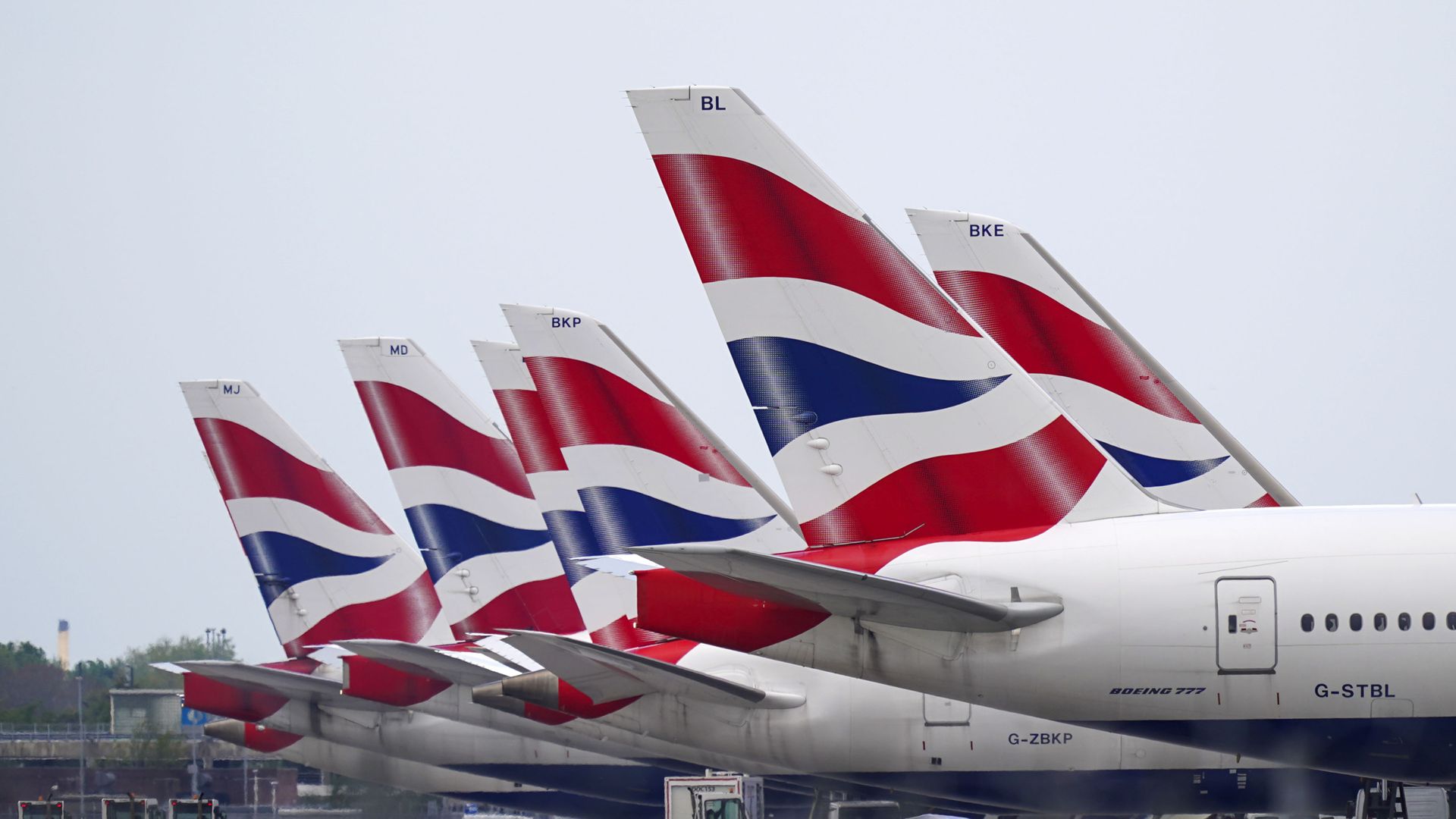
The global aviation industry is quietly bracing for a supply chain reckoning that goes far beyond simple logistics. While airlines present a facade of operational stability, a fractured network of aging refineries and shifting geopolitical alliances has created a volatile environment where fuel shortages are no longer a rare anomaly. Governments are currently scrambling to draft emergency allocation plans, but these strategies favor national flag carriers while leaving regional players and private operators to fight for the scraps. The immediate reality is that the era of cheap, readily available kerosene is ending, replaced by a tiered system of access that will fundamentally change how and where the world flies.
The Hidden Fragility of the Kerosene Pipeline
The aviation sector relies on a remarkably narrow supply chain. Unlike the diversified markets for automotive gasoline, jet fuel—primarily Jet A-1—must meet rigorous international standards for freezing points and flashpoints. This precision makes the supply brittle. When a single major refinery in Europe or North America pivots its production toward diesel to capture higher seasonal margins, the ripple effect on airport reservoirs is instantaneous.
We are seeing a systemic failure to maintain the infrastructure required to move this fuel. Pipeline capacity in many Western nations hasn't expanded in decades. Instead of investing in the physical movement of product, the industry has relied on "just-in-time" delivery models. This works perfectly until a tanker is delayed in the Suez Canal or a cyberattack takes a regional pipeline offline. At that point, the inventory buffers—often measured in days, not weeks—evaporate.
The Refinery Pivot
Refining margins have become the primary driver of the current scarcity. During the global lockdowns, refineries closed permanently or converted to renewable diesel facilities. The remaining plants are aging and prone to unplanned maintenance. When a refinery goes down for "unplanned work," it isn't just a technical glitch. It is a market-moving event that forces airlines to tankering—carrying extra fuel from a cheaper or more stable origin to avoid refueling at a shortage-plagued destination.
Tankering is an expensive, carbon-heavy sticking plaster. It increases the weight of the aircraft, which in turn burns more fuel. It is a vicious cycle that highlights the desperation of flight planners trying to keep schedules intact.
Why Emergency Plans Are Sparking Fury
National governments have started revealing their "prioritization frameworks" for fuel rationing. On paper, these plans ensure that essential services like medical evacuations and military transport remain functional. However, the secondary tier of priority is where the political friction lies.
Most current proposals prioritize long-haul, international "prestige" routes. These are the flights that maintain a country’s status as a global hub. Under these rules, a flight from London to New York gets the fuel it needs, while a regional hop that connects a rural community to a major city might be grounded. This isn't just a matter of convenience. It is an economic death sentence for regional airports that rely on high-frequency, low-margin flights to stay solvent.
The Conflict of Interest
There is a glaring conflict at the heart of these shortage plans. Many of the governments drafting the rationing rules also hold significant stakes in their national airlines. When fuel is scarce, the state has a vested interest in ensuring its own carrier stays airborne while private competitors or foreign airlines are told the tanks are empty. We are moving toward a protectionist model of aviation where the "open skies" philosophy is being strangled by the reality of empty pipes.
The Sustainable Aviation Fuel Myth
A common counter-argument from industry lobbyists is that the transition to Sustainable Aviation Fuel (SAF) will solve the supply problem. This is a dangerous oversimplification.
SAF currently accounts for less than one percent of global jet fuel consumption. While the technology is proven, the scale is nonexistent. The feedstocks required to create SAF—used cooking oils, agricultural waste, and synthetic captures—are already being fought over by the maritime and trucking industries. Aviation is not the only sector trying to decarbonize, and it might not be the one with the deepest pockets.
Relying on SAF to bridge the gap in the next five years is a mathematical impossibility. The infrastructure to produce and blend these fuels at scale requires hundreds of billions in capital investment that has yet to materialize. In the interim, the industry remains shackled to a petroleum-based system that is shrinking by the day.
The End of the Hub and Spoke Model
The long-term consequence of fuel instability is the collapse of the traditional hub-and-spoke system. For decades, the industry thrived by funneling passengers through massive central airports. This model relies on a constant, high-volume flow of fuel to a single point.
As supply becomes less predictable, airlines are beginning to look at point-to-point routes using more fuel-efficient, narrow-body aircraft like the A321XLR. These planes can bypass the massive, thirsty hubs that are most vulnerable to supply shocks. It is a strategic retreat. By spreading their fueling needs across a wider array of smaller airports, airlines can mitigate the risk of a single point of failure.
Winners and Losers in the New Map
- Mega-Hubs: Airports like Dubai, Singapore, and Heathrow face the highest risk. Their entire economic model depends on being able to refuel hundreds of wide-body jets simultaneously.
- Secondary Cities: Cities with direct links to fuel-producing regions or those on major pipeline routes will see a surge in relevance.
- The Passenger: Expect "fuel surcharges" to become a permanent, fluctuating part of the ticket price, much like taxes. The transparency of what you are paying for will vanish.
Logistics as the New Boardroom Priority
For years, fuel was treated as a commodity expense handled by procurement teams. Now, it has moved to the center of the boardroom. Chief Financial Officers are no longer just looking at the price of oil; they are analyzing the physical delivery routes of refined product.
The companies that survive the next decade won't necessarily be the ones with the best branding or the newest cabins. They will be the ones that have secured direct ownership or long-term, ironclad legal access to physical fuel infrastructure. We are seeing a return to vertical integration, where an airline might find itself needing to own a stake in a refinery or a pipeline just to guarantee its planes can take off.
The friction we see now is just the beginning. As governments prioritize their own interests and the physical supply of kerosene continues to tighten, the map of the world will effectively shrink. Flights that were once considered routine will become luxuries, not because the demand isn't there, but because the liquid required to defy gravity is no longer a guaranteed right.
Airlines must stop planning for a return to "normal" and start engineering for a future of scarcity. If the industry continues to ignore the rot in the supply chain, the emergency plans currently being debated will move from the desk to the tarmac, and the resulting groundings will be permanent. The math of the sky is unforgiving, and it currently doesn't add up.