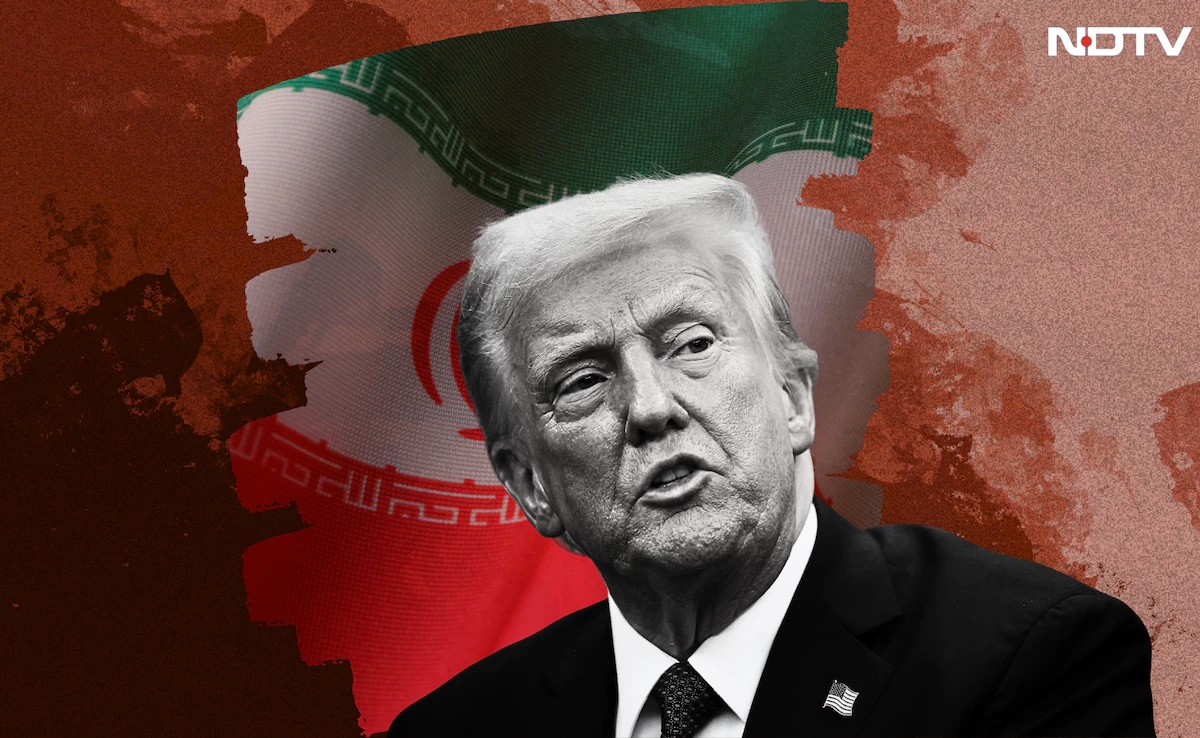
The North Atlantic Treaty Organization is currently facing its most significant existential threat since the fall of the Berlin Wall, and it has nothing to do with a shortage of tanks. On March 20, 2026, President Donald Trump labeled the alliance a paper tiger in a scathing Truth Social post that has sent shockwaves through European capitals. The trigger was a refusal by major European allies to join a U.S.-led military effort to reopen the Strait of Hormuz, a critical energy artery currently strangled by the fallout of the ongoing conflict with Iran.
By calling the alliance a "paper tiger" without American backing, Trump didn't just insult his partners; he exposed a structural rot that decades of polite diplomacy have failed to address. The primary query isn't whether NATO can survive another four years of Trumpian rhetoric, but whether it can function as a coherent military entity when its largest contributor views its allies as "cowards" who refuse to share the burden of global security. This isn't a simple spat over budgets; it is a fundamental disagreement on the scope of collective defense in an era where the front lines are as likely to be in the Persian Gulf as they are on the plains of Poland.
The Hormuz Breaking Point
The current friction centers on the Strait of Hormuz, where global oil prices have surged by nearly 50% following recent Iranian retaliatory strikes. While the U.S. and Israel moved to neutralize Iran’s nuclear capabilities in a campaign that began in late February 2026, European nations like France, Germany, and the United Kingdom have balked at deploying their own naval assets to secure the waterway.
To the White House, this is the ultimate betrayal. The U.S. logic is simple: if European nations are the primary beneficiaries of Middle Eastern energy, they should be the ones putting skin in the game to protect it. Trump’s "paper tiger" comment stems from the realization that without the U.S. Navy's Fifth Fleet, the combined naval power of Europe lacks the reach or the political will to perform what the President calls a "simple military maneuver."
This refusal to engage outside of Europe highlights a growing "regional vs. global" divide. While NATO was designed to protect the North Atlantic, the U.S. now views the alliance as a transactional tool for global stability. If the tool won't work where the U.S. needs it most, Washington sees little reason to maintain it.
The Myth of the 2 Percent Solution
For years, the gold standard of NATO health was the 2% of GDP defense spending target. In a surprising twist, by early 2026, almost every member of the 32-nation bloc has finally met or exceeded this goal. Poland is leading the charge, spending upwards of 4% of its GDP, while even traditionally Dovish Germany has hit the mark.
However, the "paper tiger" accusation persists because spending money is not the same as building a cohesive military.
The reality of European defense is a fragmented mess of competing interests and incompatible hardware:
- Logistical Nightmares: European armies operate over 20 different types of fighter jets and dozens of different tank models, compared to the highly standardized U.S. arsenal.
- Strategic Dependencies: Nearly 60% of European military equipment is still imported from the U.S. If Washington were to halt spare parts or software updates tomorrow, most European air forces would be grounded within months.
- Personnel Gaps: Despite higher budgets, recruitment across Western Europe is at an all-time low. You can buy a thousand Leopard tanks, but they are paper weights without trained crews.
Trump’s frustration isn't just about the checkbook anymore; it’s about capability. He is gambling that by threatening to pull the American rug out, he will force Europe into a "strategic autonomy" that they have discussed for decades but never truly funded.
The Shadow of the 5 Percent Pledge
During the 2025 NATO Summit in The Hague, allies made a desperate attempt to appease the U.S. by committing to a staggering 5% of GDP spending target by 2035. While this looked good on paper, it has created a massive fiscal crisis in Europe.
Governments are now forced to choose between maintaining their celebrated social safety nets and buying American-made F-35s. In countries like France and Italy, the "guns vs. butter" debate is fueling populist movements that are increasingly sympathetic to Trump’s "America First" (and by extension, "France First") ideology.
The business of defense is also at a crossroads. While European defense stocks have soared, the actual industrial output is lagging. Factories in the Ruhr Valley and the outskirts of Paris simply cannot scale fast enough to meet the new demand. This creates a loop where European tax dollars flow back to U.S. defense contractors like Lockheed Martin and Northrop Grumman, further irritating European leaders who want to build their own industrial base.
Security Action for Europe and the SAFE Bet
In response to the American "paper tiger" rhetoric, the European Commission has floated the Readiness 2030 plan, which includes the Security Action for Europe (SAFE) instrument. This is a 150-billion-euro loan facility designed to bypass national budget constraints and fund common procurement.
The goal is to create a European pillar within NATO that can operate independently. But there's a catch. Real independence requires more than just ships and planes. It requires:
- Satellite Sovereignty: Europe currently relies on U.S. GPS and intelligence-sharing for high-end targeting.
- Nuclear Deterrence: Without the U.S. nuclear umbrella, Europe’s only deterrent lies with France and the UK, neither of which has shown a desire to extend that protection unconditionally to the rest of the continent.
- Command and Control: NATO’s brain—its command structure—is deeply integrated with American officers and communication protocols.
Removing the "U.S. heart" from the NATO body wouldn't just leave it weak; it would leave it brain-dead.
A Transactional Future
The era of "values-based" alliances is over. We have entered the era of the transactional treaty. Trump’s Truth Social outburst is a signal that the U.S. will no longer accept a "one-way street" where American soldiers die for European energy security while European capitals sit on the sidelines.
The brutal truth is that NATO is a paper tiger if it cannot project power without American logistics, American satellites, and American will. Europe has two choices: they can continue to hope that the "paper" is strong enough to deter Russia and Iran, or they can finally build the iron fist required to stand alone.
The risk of the latter is a fractured West. The risk of the former is a total collapse of the security order that has governed the world for 80 years. As oil prices continue to climb and the Strait of Hormuz remains a graveyard for commercial shipping, the clock is ticking on a "reminder" that the President promised the allies would never forget.
If you want to understand how this shift is impacting your energy bills and the global stock market, I can break down the specific economic exposure of European nations to the Hormuz blockade. Would you like me to analyze the fiscal impact of the 5% defense pledge on the Eurozone's 2027 growth projections?