Medical oncology lives in a permanent state of hyperbole, where incremental gains are routinely sold as revolutionary breakthroughs. The recent media frenzy surrounding a new class of targeted therapies for pancreatic ductal adenocarcinoma—traditionally the most lethal of all major malignancies—is a textbook example. Reports have circulated celebrating "unprecedented" clinical trial results, sparking a rush to test these same mechanisms on other intractable tumors. But the reality on the ground is far more complex, expensive, and fragile than the public narrative suggests. While the early data is genuinely significant for a specific subset of patients, expanding these drugs to broader populations faces massive biological and economic hurdles.
To understand why doctors are looking at other uses for these drugs, one must first look at the brutal biology of pancreatic cancer. It is not a single disease, but a fortress of mutated cells wrapped in a dense, protective shield known as the stroma. This stroma creates a high-pressure environment that collapses blood vessels, preventing standard chemotherapy from reaching the tumor core.
For decades, the standard of care has been a blunt instrument approach: heavy cytotoxic regimens like FOLFIRINOX or gemcitabine combined with nab-paclitaxel. These treatments do not cure; they buy time, usually measured in months. The new wave of drug development targets specific genetic drivers within this fortress, most notably mutations in the RAS oncogene family, which are present in over 90% of pancreatic tumors.
The Mechanism Driving the Hype
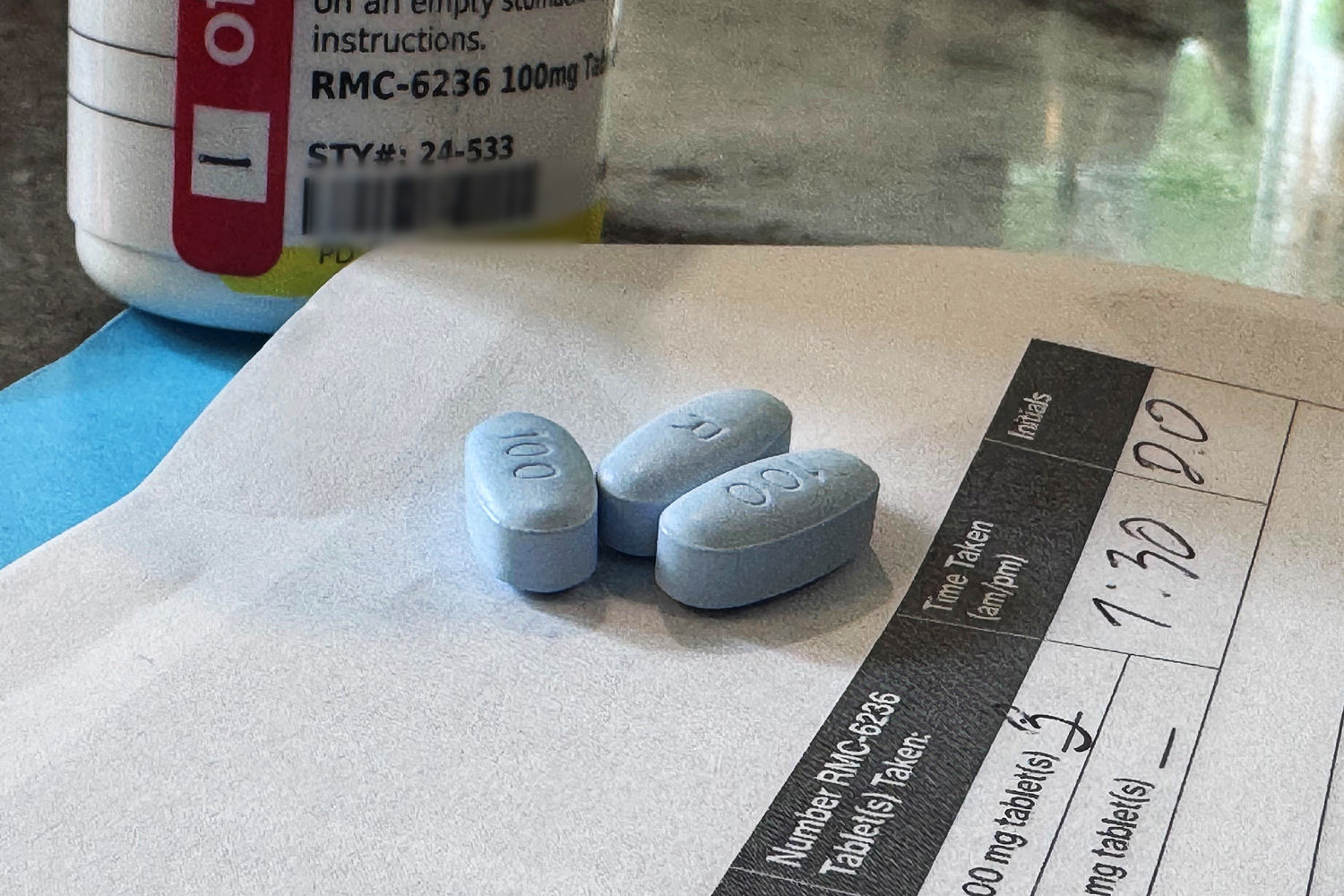
The current excitement centers on highly selective inhibitors designed to lock onto specific mutated proteins, such as KRAS G12D or G12C, effectively turning off the continuous growth signals feeding the tumor. In early-phase clinical trials, these inhibitors achieved something historical: measurable tumor shrinkage in patients who had already failed multiple rounds of traditional chemotherapy.
In oncology, any objective response rate above 20% in a refractory pancreatic cancer cohort is remarkable. Some of the newer compounds have pushed past that marker, leading to the "unprecedented" label.
Because the RAS pathway is also heavily implicated in colorectal cancer, non-small cell lung cancer, and ovarian malignancies, researchers are moving quickly to initiate basket trials. These trials enroll patients based on their genetic mutation rather than where the cancer originated. The logic seems flawless on paper. If you can silence the driver in the pancreas, you can silence it in the lung.
Biology, however, rarely follows a clean script.
The Resistance Trap
The primary obstacle to expanding these drugs to other uses is the rapid development of acquired resistance. Cancer cells are highly adaptable evolutionary engines. When a targeted drug blocks a specific pathway, the tumor frequently finds a workaround, mutating further to bypass the blockade or activating parallel signaling cascades to resume growth.
In lung cancer trials utilizing similar inhibitors, resistance often emerged within six to nine months. When clinicians attempt to use these drugs for colorectal or pancreatic tumors, the resistance mechanisms can trigger even faster. The liver and colon are packed with feedback loops that react to targeted inhibition by flooding the cellular system with compensatory growth factors.
To combat this, the industry is forcing combinations. Instead of a single drug, patients are being given cocktails that pair the new inhibitors with immunotherapy or older chemotherapy agents.
This brings a distinct set of problems. Toxicity profiles compound quickly. A patient might tolerate the new drug well on its own, but when it is paired with an EGFR inhibitor or a traditional cytotoxic agent, severe gastrointestinal issues, liver toxicity, and profound fatigue frequently force clinicians to lower the dose. A lowered dose often drops the drug below its therapeutic threshold, allowing the tumor to escape.
The Screen Screen Dilemma
There is a glaring logistical bottleneck that the optimistic headlines ignore: patient selection. These new drugs do not work for everyone with pancreatic cancer, let alone everyone with cancer. They require precise genetic sequencing to identify the exact mutation.
| Mutation Type | Prevalence in Pancreatic Cancer | Targeted Status |
|---|---|---|
| KRAS G12D | ~40-45% | High interest, early trials |
| KRAS G12V | ~30% | Difficult to target, emerging compounds |
| KRAS G12R | ~12-15% | Unique biology, limited options |
| KRAS G12C | ~1-2% | Approved drugs exist, rare in pancreas |
Next-generation sequencing takes time. In a fast-moving disease like pancreatic cancer, time is a luxury many patients do not possess. A patient diagnosed at an advanced stage may deteriorate so rapidly that they die before the genetic test results return from the lab.
Even when the mutation is identified, access remains highly unequal. Major academic medical centers routinely sequence every tumor. Community hospitals, where the vast majority of cancer patients receive their care, often lack the infrastructure, funding, or protocols to mandate immediate genetic testing. Consequently, the very patients who might benefit from these targeted therapies, or from the trials expanding their use, are frequently left out entirely.
The Economic Wall
Developing these targeted molecules is an incredibly expensive endeavor. Pharmaceutical companies invest billions of dollars into identifying compounds that can fit into the notoriously smooth binding pockets of RAS proteins, which were considered "undruggable" for decades. When a drug finally hits the market, the manufacturer prices it to recoup those development costs and fund future pipelines.
This translates to retail prices that routinely exceed $15,000 to $20,000 per month per patient.
When these drugs are used as monotherapies, insurance companies and national healthcare systems balk at the price-to-benefit ratio, especially if the drug only extends progression-free survival by a few months. When used in combination therapies—where two or three branded, high-cost drugs are taken simultaneously—the financial math becomes unsustainable.
[Targeted Inhibitor ($15k/mo)] + [Immunotherapy ($12k/mo)] = Financial Toxicity
This dynamic creates a severe ethical strain. Clinicians see a tool that could theoretically help a patient with a specific ovarian or colon mutation, but the drug is only approved for pancreatic or lung usage. Off-label prescribing is possible, but insurance coverage for off-label targeted therapies is notoriously difficult to secure. Patients are left caught between the hope of a modern treatment and the reality of financial ruin.
Moving Beyond the Hype
The push to use these pancreatic cancer breakthroughs in other areas is not a simple victory lap; it is a desperate scramble to maximize the utility of an incredibly complex tool before the cancer evolves past it. True progress will not come from running the same basic clinical trials on different organ sites. It will require a fundamental shift in how oncologists sequence therapies, combining these drugs early in the treatment cycle before the tumor has a chance to diversify its genetic architecture.
We must stop treating every positive early-phase trial as a definitive cure. The data coming out of the pancreatic cancer trials is a vital step forward, but it is a single step on a long, treacherous road. The immediate challenge is not just finding new uses for these drugs, but figuring out how to keep them working before the tumor flips the biological switch and renders them useless. Oncology needs less celebration and more sober analysis of the resistance data accumulating in the labs. That is where the real battle will be won or lost.