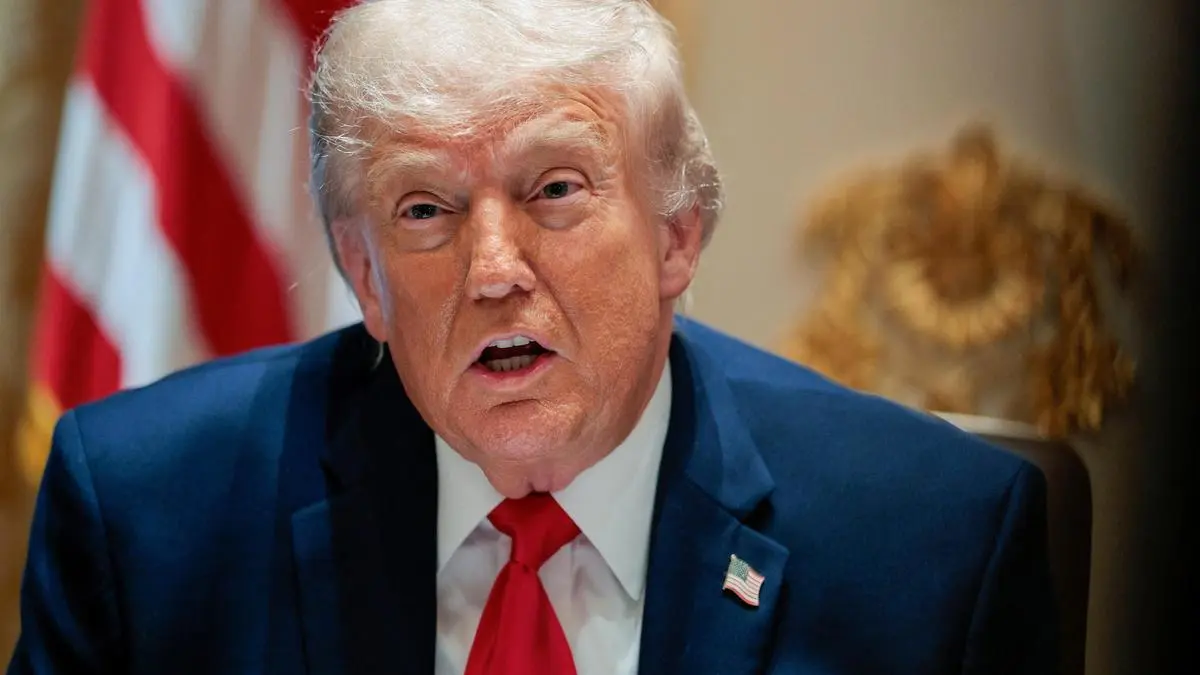
The corporate press treats the latest diplomatic impasse between Washington and Tehran as a routine disagreement over terms. It is not. When Donald Trump stood before reporters and declared he was "not satisfied" with Iran’s latest proposal to end the conflict, he was not merely haggling over the fine print of a ceasefire. He was exposing a profound, foundational mismatch between American expectations of total capitulation and the reality of a fractured, desperate Iranian leadership trying to survive.
This is a war being negotiated on fumes. The United States and Israel launched devastating kinetic operations weeks ago, dealing heavy blows to Iran’s command infrastructure and effectively neutralizing vast swaths of its conventional military assets. Yet, despite a world-class blockade that has choked off Iranian ports and severed the country's economic lifeblood, a definitive peace remains elusive.
The primary obstacle is not a lack of willingness from Tehran. It is the structural collapse of who actually holds the authority to sign a binding document.
The Myth of a Unified Iranian State
For decades, Western analysts treated the Islamic Republic as a monolithic entity driven by a singular, ideological will. That structure died when military strikes eliminated the upper echelon of the regime's established authority. Today, Washington is trying to negotiate a historic peace deal with a ghost ship.
Trump summarized the intelligence briefings bluntly. The leadership is disjointed, split into three or four competing factions that cannot agree on who holds ultimate authority. Parliament Speaker Mohammad Bagher Qalibaf flies to Qatar for backchannel discussions while the remnants of the diplomatic corps, led by Foreign Minister Abbas Araghchi, try to maintain a semblance of international standing.
They all want a deal because they have no conventional military options left. But they are too terrified of internal collapse, or each other, to sign away their last remaining chips.
When a state's conventional forces are largely broken, its remaining leverage becomes entirely asymmetric. For Iran, that leverage boils down to two things: a 440-kilogram stockpile of highly enriched uranium and its geographic chokehold on the Strait of Hormuz.
The proposal Trump rejected sought to trade vague promises on these two fronts for immediate sanctions relief and an end to the naval blockade. It was a classic delay tactic packaged as a peace offering.
The Uranium Disconnect and the Hormuz Trap
The friction points reveal exactly why a quick diplomatic resolution is a fantasy. Secretary of State Marco Rubio and the White House have established an unyielding red line: Iran must permanently give up its stockpile of 60% enriched uranium, transferring it to a third country like Russia or destroying it under international oversight.
Iran's counter-proposal tried to bypass this. The regime offered to freeze enrichment levels and permit limited inspections, but balked at the immediate, verifiable destruction of its existing nuclear material. To the White House, accepting anything less than total disposal means the war would have to be refought in a few years.
Then there is the maritime issue. The blockade has paralyzed global energy markets, but it has completely starved Tehran.
Draft Peace Terms vs. Reality
┌───────────────────────────────────────┬───────────────────────────────────────┐
│ White House Demands                   │ Iranian Proposal                      │
├───────────────────────────────────────┼───────────────────────────────────────┤
│ Immediate removal/destruction of all  │ Conditional freeze on enrichment with │
│ enriched uranium stockpiles.          │ retention of existing material.       │
├───────────────────────────────────────┼───────────────────────────────────────┤
│ International management and absolute │ Gradual reopening under continued     │
│ freedom of navigation in Hormuz.      │ Iranian administrative control.       │
├───────────────────────────────────────┼───────────────────────────────────────┤
│ Verifiable disarmament of regional    │ Ceasefire in Lebanon without explicit │
│ proxy forces.                         │ dismantling of proxy infrastructure.  │
└───────────────────────────────────────┴───────────────────────────────────────┘
The Iranian side suggested a joint management framework for the Strait of Hormuz, an arrangement quiet intermediaries in Oman have tried to facilitate. Trump publicly killed that concept. The American position is that the strait is an international waterway; it will not be managed, shared, or leveraged by Tehran as a toll booth for peace.
The Friction of Restraint
Compounding the diplomatic deadlock is the tactical reality on the ground. A fragile ceasefire has officially been in place, yet U.S. Central Command recently executed self-defense strikes against targets inside Iran. Tehran immediately accused Washington of breaching the truce, while American commanders maintained they were responding to ongoing, low-level drone threats.
This asymmetry creates an incredibly unstable negotiating environment. The Iranian regime is attempting to use fiber-optic drones and regional proxies, including what remains of Hezbollah in Lebanon, to signal that it can still inflict costs. It is a dangerous gamble. Instead of forcing Washington to soften its terms, these pinprick provocations are validating the arguments of administration hawks who believe diplomacy is a waste of time.
Trump’s public rhetoric has shifted from a preference for a "great deal" to an explicit warning that the U.S. is prepared to go back and finish the job. This is not empty bluster; it is an acknowledgment that the logistical and political cost of maintaining an indefinite, global naval blockade is immense. The administration needs a resolution before the economic fallout of prolonged high energy costs begins to severely impact domestic political standing.
A broken adversary is often far more difficult to negotiate with than a strong one. Strong regimes can enforce the terms of a capitulation; broken ones fracture into rogue factions, each pulling the steering wheel in a different direction. Washington is finding out that forcing an enemy to the table is only half the battle. Finding someone at that table with the authority to actually sign away the regime's survival is another matter entirely.


