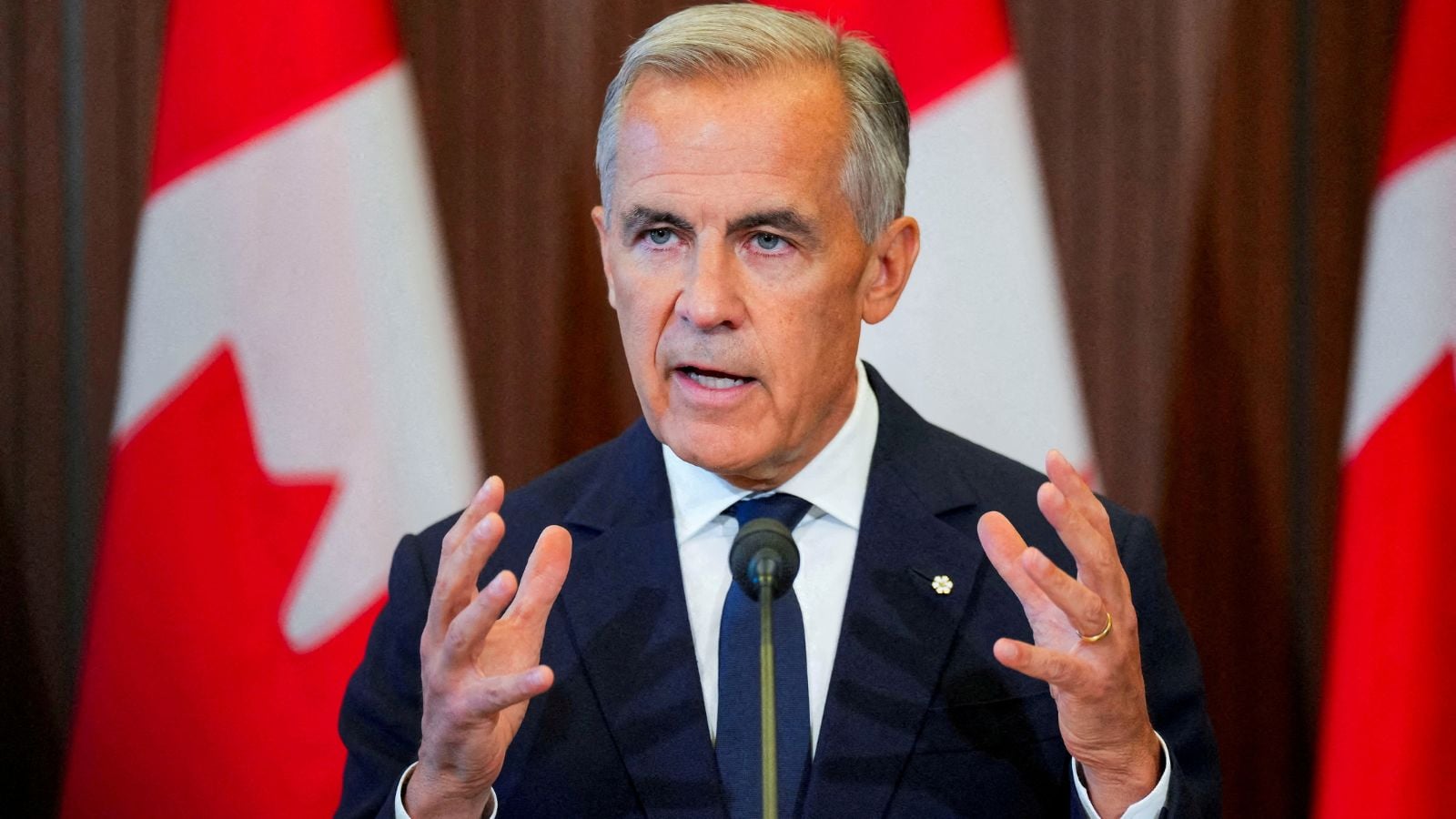
Geographic reality has always dictated Canadian foreign policy. For generations, the core assumption was simple: tie your economic fortunes to the giant neighbor down south and deal with whatever political turbulence rolled across the border. But things change fast when trade wars flare up and 50% tariffs become the weapon of choice. Prime Minister Mark Carney is looking across the Atlantic for an escape hatch. Reports from the Wall Street Journal outline a bold, untested proposal to make Canada an "associate member" of the European Union.
It sounds like pure science fiction. Canada is physically located in North America, not Western Europe. Yet, in modern geopolitics, traditional maps matter less than shared vulnerabilities and shifting trade corridors. Let's look at what is actually driving this sudden pivot, what associate status would mean in practice, and why this strategy faces massive hurdles before it ever becomes reality.
Breaking Free From Washington
The relationship between Ottawa and Washington took a sharp, hostile turn following a resurgence of aggressive protectionist trade policies in the United States. When cross-border tariffs start hitting multi-billion-dollar supply chains in automotive, steel, and energy sectors, economic survival requires diversification. You cannot keep all your economic eggs in a basket that is actively being dropped.
Carney has been quietly testing the waters with key European decision-makers, including French President Emmanuel Macron. The core objective is carving out a strategic alliance that insulates Canadian industries from unpredictable shifts in American domestic politics. The EU, traditionally rigid about its membership criteria, appears surprisingly willing to entertain a novel form of affiliation for a like-minded democracy.
What Associate Membership Actually Means
Do not expect Canadians to start voting in European Parliament elections anytime soon. Full membership is off the table. Instead, the discussions center around a bespoke status—a hybrid framework that bridges regulatory gaps without requiring geographic proximity.
The proposed framework targets several concrete areas:
- Mobility and Labor: Talks have explored easing visa restrictions to let Canadian and European citizens live and work more freely across borders.
- Critical Infrastructure: Joint investments in trans-Atlantic data centers, secure cloud storage, underwater communication cables, and satellite networks.
- Energy Security: Building out specialized supply corridors to ship Canadian natural gas and clean energy directly to European markets to assist their ongoing transition phases.
- Regulatory Alignment: Streamlining product standards so that meeting European compliance rules automatically satisfies Canadian requirements, cutting down redundant bureaucratic tape.
The Massive Roadblocks Ahead
While the political optics of thumbing your nose at American protectionism play well domestically, the execution is an absolute legal and logistical nightmare.
First, consider the track record of past agreements. The Comprehensive Economic and Trade Agreement (CETA) took well over a decade to negotiate, and years after provisional implementation, several European member states still haven't fully ratified it. If individual European capitals dragged their feet on a standard trade pact, getting unanimous buy-in for a brand-new, legally untested "associate membership" tier will test every ounce of diplomatic endurance Ottawa possesses.
Second, Canada's federal structure complicates matters immensely. Key areas like professional licensing, labor standards, and resource regulations fall under provincial jurisdiction. Unifying a European regulatory framework across ten provinces and three territories requires a level of federal-provincial cooperation that historically resembles herding cats.
Where This Leaves North American Trade
Carney insists this push represents a unique alliance rather than an explicit rejection of continental ties, but Washington won't see it that way. When a close trading partner starts building digital and energy pipelines toward Brussels, it sends an unmistakable message.
Diversification is smart policy, but building a bridge across the Atlantic takes years, while economic integration with the United States took over a century to cement. Canada is walking a tightrope between economic necessity and diplomatic overreach. Whether this European flirtation becomes a lasting structural shift or just a high-stakes negotiating tactic will define Canadian sovereignty for the next decade.
This video provides additional context on European leadership perspectives regarding Canada's proposed associate status.