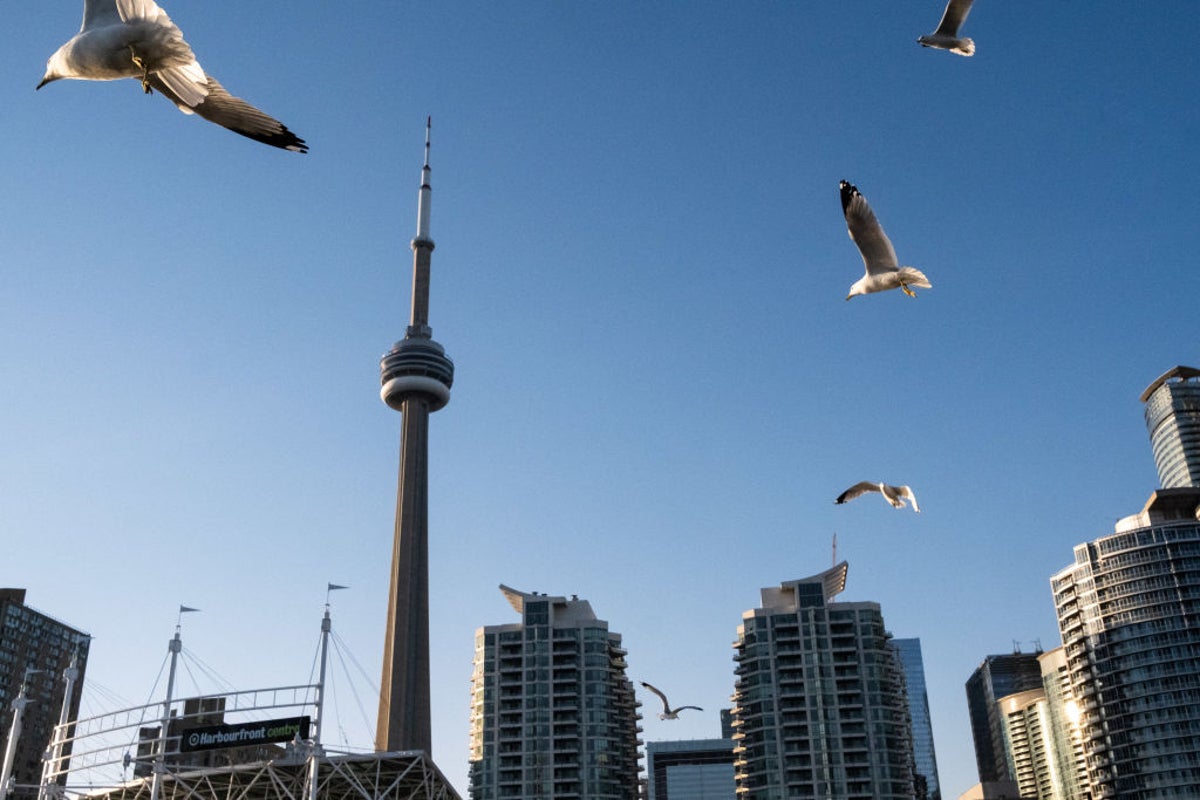
Every spring and autumn, billions of migratory birds paint the skies above North America. They navigate thousands of miles using the stars, the Earth's magnetic field, and the coastline. Then, they hit a sheet of glass.
Glass towers don't look like obstacles to a bird. They look like open sky, or a continuation of the forest canopy reflected in the panes. Millions of birds die every single year hitting urban architecture across Canada. It is a massive, completely preventable crisis. Most people have no idea how severe the carnage is until they walk outside a downtown office tower after a migration night and find dead thrushes, warblers, and sparrows scattered across the pavement. You might also find this similar story insightful: The Radical Joy of Riding Out in the Open.
Cities like Toronto, Vancouver, and Calgary sit directly underneath major migration flyways. When nocturnal migrants fly through urban cores under the cover of darkness, artificial light pulls them in like moths to a flame. Then daylight hits, glass reflects the surrounding trees, and the fatal impact happens.
The Deadly Illusion of Reflective Glass
Modern architecture loves glass. Architects wrap skyscrapers, condominiums, and even suburban office parks in continuous sheets of mirrored or transparent panes. As highlighted in latest coverage by Cosmopolitan, the implications are significant.
Birds don't understand human construction materials. To a warbler migrating at forty miles per hour, a mirrored window showing a reflection of a cloud is just a cloud. They fly straight toward it at full speed. Transparent glass is equally lethal. If a bird sees through a glass walkway or corner office to the plants or sky on the other side, it tries to fly right through the room.
The numbers are staggering. Environment Canada estimates that between 16 million and 42 million birds die from window collisions in this country every single year. High-rise towers get the most press because hundreds of birds can die at a single building during peak migration windows. However, low-rise residential homes and suburban commercial strips actually account for a much larger share of total deaths simply because there are millions of them.
Why Light Pollution Makes Everything Worse
Glass alone is dangerous, but artificial light turns buildings into environmental traps.
Migratory birds mostly fly at night. They rely on the stars to stay on course. When they pass over Canadian cities, intense light pollution from unnecessary office lighting, decorative facade illumination, and sports stadiums disorients them. They get sucked into the urban glow, circling endlessly in a haze of confusion until they burn precious energy reserves.
When dawn breaks, these exhausted, disoriented birds try to land in urban green spaces or find food. That is when the collisions spike.
Toronto launched the "Lights Out" program years ago, urging building managers to turn off non-essential interior and exterior lights during peak migration seasons. It helps. When the towers go dark, bird mortality drops noticeably. But compliance is voluntary in many municipalities, and thousands of corporate property owners still leave their lights blazing all night, every night.
What Actually Works to Stop the Slaughter
We don't have to guess how to fix this. The solutions are remarkably simple, yet adoption remains painfully slow because aesthetics usually trump ecology in real estate development.
Traditional clear or tinted glass is cheap. Bird-friendly glass is slightly more expensive or requires specific design choices. Window film, external screens, patterned glass with ceramic frit lines spaced two inches apart, and UV-reflective coatings all signal to a bird that a solid barrier exists.
Retrofitting existing buildings with exterior markers or patterned films makes a massive difference. If you own a home or manage a low-rise building, putting decals on the outside of your windows—never the inside, because reflections nullify interior stickers—stops strikes immediately.
Municipalities are slowly stepping up. Toronto implemented mandatory bird-friendly design standards for new developments back in 2010, and other cities like Markham and Vancouver have introduced similar bylaws. But national consistency is lacking, and older buildings are rarely forced to upgrade unless major renovations happen.
What You Can Do Right Now
You don't need to be a city planner or an architect to make an impact. Individual actions compound quickly when thousands of people participate.
Turn off your exterior and interior lights at night during spring and autumn migration peaks, roughly from April to June and August to October. If you have large picture windows at home, apply external tape, patterns, or specialized bird-savers spaced closely together. Keep your bird feeders either within three feet of your windows—so birds can't build up lethal momentum if they startle—or more than thirty feet away.
Support local wildlife rehabilitation centers that take in stunned collision survivors. Many birds that hit windows don't die instantly; they suffer from concussions, internal bleeding, or broken wings. Organizations like the Fatal Light Awareness Program in Toronto rescue hundreds of injured birds from downtown sidewalks every migration season, giving many a second chance at life.
The next time you walk past a glittering glass monolith, remember what it costs the ecosystem. Architecture should harmonize with the natural world, not act as an invisible slaughterhouse for the creatures that share our skies.