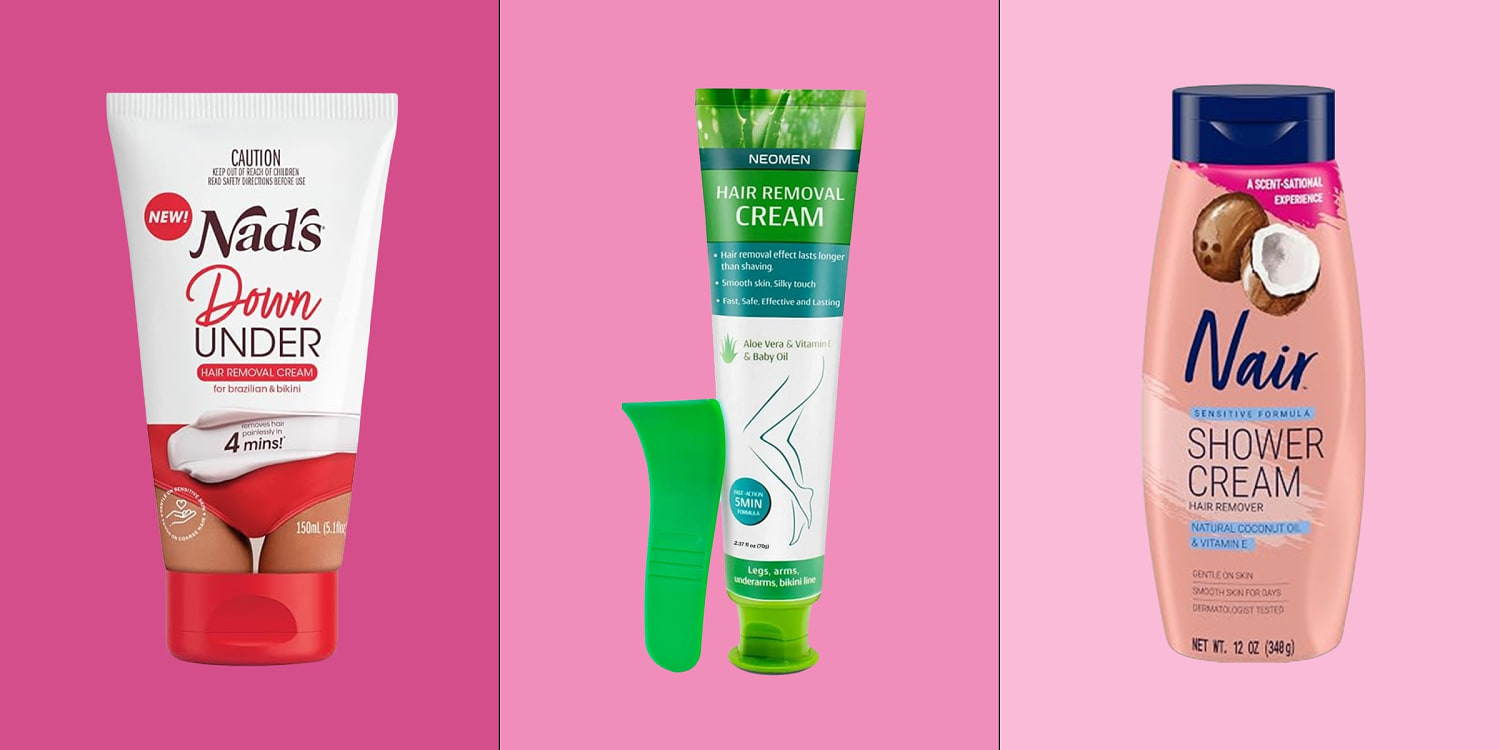
Chemical depilatories operate on a single biophysical imperative: the deliberate, controlled destruction of protein structures to sever hair shafts below the epidermal surface. Unlike mechanical extraction methods that pull the follicle from its root or optical devices that target melanin with concentrated light energy, depilatory creams function via alkaline chemical cleavage. Understanding the safety profile of these formulations requires analyzing the precise mechanisms of action, the physiological tolerances of human skin, and the failure modes that occur when application parameters are violated.
The active agents in nearly all over-the-counter hair removal creams are thioglycolic acid salts, most commonly potassium thioglycolic acid or calcium thioglycolic acid, paired with a strong alkaline agent such as calcium hydroxide or sodium hydroxide. The pH of these formulations typically ranges between 10.5 and 12.5. This high alkalinity is not incidental; it is an absolute functional requirement.
Human hair derives its tensile strength and structural integrity from an abundance of disulfide bonds linking the keratin protein chains. At a pH above 10, the cutaneous cell membrane and the cuticle of the hair shaft swell, allowing the thioglycolate ions to penetrate the cortex. Once inside, these ions reduce the cystine disulfide bonds ($--S-S--$) into separate cysteine sulfhydryl groups ($--SH$ and $SH--$).
This chemical transformation breaks down the structural backbone of the hair fiber. Within minutes, the tensile strength of the hair drops to near zero, converting the fiber into a gelatinous mass that can be mechanically wiped away from the skin surface.
The Margin of Safety
The fundamental design challenge of chemical depilation is selectivity. Human hair and the outermost layer of the epidermis, the stratum corneum, are both composed primarily of keratin. A chemical agent designed to dissolve hair keratin will, given sufficient time and concentration, also dissolve epidermal keratin.
Therefore, safety is governed by a narrow temporal and chemical margin. The formulation must achieve complete proteolysis of the hair shaft before it causes significant barrier degradation of the skin. This margin is managed through three primary variables:
- Contact Duration: The time elapsed between initial application and physical removal.
- Buffer Capacity: The ability of the formulation to maintain a stable high pH without escalating uncontrollably.
- Stratum Corneum Integrity: The baseline thickness and moisture barrier status of the user's skin at the application site.
When these variables are optimized, the process removes hair without inducing trauma. When any single variable degrades, the system fails, resulting in predictable physiological damage.
Pathology of Failure Modes
Adverse reactions to depilatory creams are frequently mischaracterized as mere allergic responses. In clinical reality, the vast majority of adverse events fall into three distinct physiological categories: irritant contact dermatitis, chemical burns, and exacerbation of pre-existing follicular pathology.
Irritant Contact Dermatitis
Irritant contact dermatitis occurs when the high alkalinity and reducing agents strip away the lipid matrix holding the corneocytes of the stratum corneum together. This compromises the skin barrier, leading to transepidermal water loss, localized inflammation, erythema, and a burning sensation. Unlike allergic contact dermatitis, which requires immune system sensitization, irritant dermatitis can occur upon the very first exposure if the chemical load exceeds the local tissue tolerance.
The primary drivers of this failure mode are leaving the product on past the manufacturer's maximum threshold, applying the cream to skin that has been recently exfoliated, or using the product over compromised micro-abrasions.
Alkaline Chemical Burns
When contact duration is extended significantly beyond the structural breaking point of the hair, or when the skin is exceptionally thin and sensitive, the thioglycolate and hydroxide ions penetrate past the stratum corneum into the viable epidermal layers. This results in liquefactive necrosis of the tissue.
The clinical manifestation ranges from severe blistering and weeping lesions to persistent hyperpigmentation and scarring. These burns are direct chemical injuries caused by the denaturation of cellular proteins within living tissue layers, mirroring the effects of mild industrial caustics.
Folliculitis and Ingrown Hairs
While depilatories cut hair flush with or slightly below the pore opening, avoiding the sharp bevel created by standard razors, they do not alter the growth trajectory of the follicle. If the chemical residue is not thoroughly neutralized and rinsed away, or if the subsequent cellular turnover rate is sluggish, dead keratinocytes can cap the follicular infundibulum. The newly regenerating hair shaft then hits this barrier, curling inward and producing pseudofolliculitis barbae or classic ingrown hairs.
Comparative Risk Matrix Across Hair Removal Modalities
To evaluate the relative safety of chemical depilation, it must be benchmarked against alternative modalities using operational metrics rather than subjective comfort.
- Razor Shaving: Presents high mechanical trauma risk via epidermal micro-cuts and acute angular hair tips that promote ingrown hairs, but exhibits zero chemical toxicity risk.
- Depilatory Creams: Presents moderate chemical toxicity risk via alkaline burns and contact dermatitis, with low mechanical trauma risk and smooth, blunt-cut hair ends.
- Epilation and Waxing: Presents high mechanical traction trauma risk, potential for follicular tearing, hyperpigmentation, and bacterial entry via open follicular channels.
- Laser and Photo-Epilation: Presents thermal risk, potential for dyspigmentation in higher Fitzpatrick skin types, and paradoxical hypertrichosis, balanced against long-term reduction in mechanical injury cycles.
Depilatory creams occupy a specific middle ground: they eliminate mechanical friction injuries entirely, substituting them with chemical reactivity risks that demand rigorous adherence to procedural protocols.
Skin Preparation and Barrier Management
Mitigating the risks associated with chemical hair removal requires treating the skin as a reactive chemical substrate. Standard consumer usage often fails because users treat depilatories like standard cosmetic lotions rather than reactive chemical treatments.
The skin barrier must be intact prior to application. Any procedure that thins or disrupts the stratum corneum—such as mechanical scrubbing, chemical peels, or vigorous friction with a loofah—must be avoided for a minimum of twenty-four to forty-eight hours before application.
Furthermore, regional skin thickness dictates the required exposure time. Areas with a dense stratum corneum, such as the outer legs, tolerate longer exposure times than areas with thin, delicate skin, such as the inner thighs, underarms, or facial regions. Universal application timing across disparate anatomical zones is a primary vector for injury.
Patch Testing Mechanics
The standard recommendation to perform a patch test prior to full application is frequently misunderstood as a test for chemical burn resistance. It is not. A localized twenty-four-hour patch test on a small area of skin is primarily designed to screen for type IV delayed-type hypersensitivity reactions to fragrances, preservatives, or the thioglycolate salts themselves.
It provides limited utility for predicting how skin will react to a full ten-minute occlusion across a large surface area where cumulative penetration can overwhelm local buffering capacity. Therefore, a patch test must be executed under identical conditions to the intended full application, utilizing the exact same duration and rinse protocol.
Post-Application Neutralization and Recovery
The chemical reaction does not automatically cease the moment the cream is scraped off with a spatula. Residual thioglycolate ions and alkaline compounds often remain trapped in the microscopic folds of the skin and within the follicular openings.
If these residues are not actively neutralized, they continue to degrade cutaneous proteins post-removal, converting a successful hair removal session into delayed irritant contact dermatitis. Thorough rinsing with tepid water is mandatory, and the use of a slightly acidic cleanser or post-depilatory lotion helps restore the natural acid mantle of the skin, neutralizing residual alkalinity and re-establishing the protective lipid barrier.
Moisturization following neutralization must focus on barrier repair ingredients, such as ceramides, cholesterol, and free fatty acids, which accelerate the reconstitution of the stratum corneum. Occlusive agents should be selected carefully to avoid trapping any residual chemical irritants against the skin surface.
Implement a strict pre-application audit protocol: verify skin barrier integrity, isolate sensitive anatomical zones with reduced contact times, enforce complete mechanical removal followed by immediate acidic re-balancing of the skin pH, and abandon the practice of universal timing across varied epidermal topographies.