When a Chinese container ship launches a scheduled run across the roof of the world, most headlines focus on shaved-down transit times. Dropping a 40-day slog through the Suez Canal down to roughly three weeks sounds like a standard logistics win. But you shouldn't buy into the simple narrative that this is just about moving cargo faster.
Look closer at what's happening along the Northern Sea Route. Companies like Sea Legend aren't just pioneering a seasonal novelty; they are navigating a high-stakes geopolitical shift. Chokepoints like the Strait of Hormuz and the Suez Canal have become dangerous bottlenecks thanks to ongoing Middle East conflicts and rising security costs. When traditional maritime lanes face constant disruption, governments and conglomerates start looking for alternatives, no matter how frozen or complicated those paths might be. If you enjoyed this post, you should check out: this related article.
Escaping Vulnerable Chokepoints
The core appeal of the Ice Silk Road is risk mitigation. Traditional shipping relies heavily on narrow straits that can be blocked, taxed, or destabilized overnight. By testing polar routes, Beijing is actively trying to insulate its supply chains from the volatility of Western-influenced waters.
There is a catch, though. This isn't an open highway where anyone can sail whenever they want. Moscow holds the gate. For another perspective on this story, see the recent coverage from The Next Web.
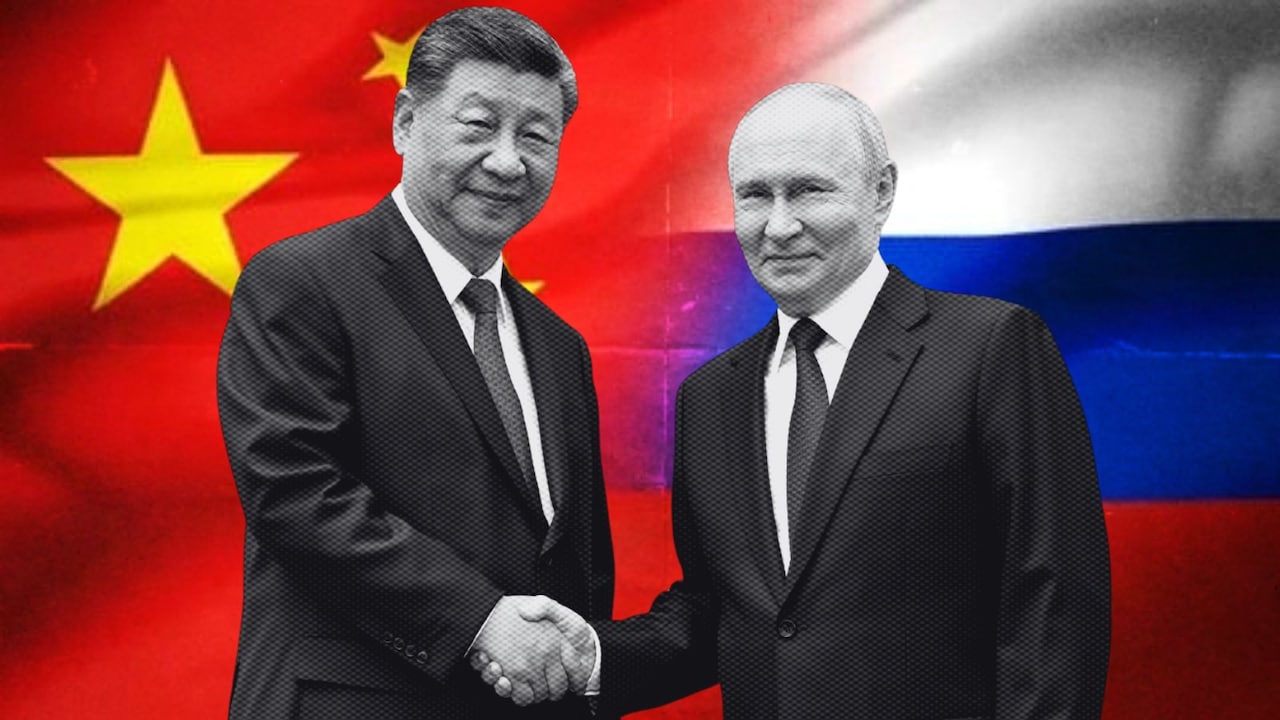
If you want to transit the Arctic along Russia's northern coast, you play by Russia's rules. Every vessel needs explicit Russian permits. You rely on Russian icebreakers to bust through heavy pack ice. You use Russian rescue services when things go sideways. Western sanctions and the departure of standard maritime insurers from Russian waters mean that traffic on this route is increasingly locked into a bilateral Sino-Russian framework.
So, while Beijing gets a path that bypasses the Middle East, it also ties its economic mobility closer to Moscow's regulatory control. It's a trade-off: you swap one set of geopolitical vulnerabilities for another.
The Cargo That Actually Fits the Ice
Logistics experts will tell you that bulk oil and standard container shipping won't flood the Arctic overnight. The physical limits are real. You need specialized ice-class vessels, hulls can take a beating, and the shipping season is strictly bounded by weather.
Yet, specific industries benefit immediately. Take lithium-ion batteries and photovoltaic solar components. These goods are sensitive to extreme heat during prolonged voyages through tropical waters. The naturally cooler ambient temperatures of the high north offer an unexpected logistical perk for tech-heavy freight.
At the same time, Russia uses these exact same waters to redirect vital energy exports toward Asian markets, bypassing European embargoes. Energy flows east while manufactured goods flow west, cementing an economic axis that western policymakers are scrambling to counter.
A New Frontier for Power Competition
Europe isn't ignoring this shift. Officials in Brussels have pointed out that the rapid melting of polar ice turns the region into a frontline of global competition. Undersea internet cables, critical mineral deposits, and shipping lanes form a complex web of strategic assets. When foreign powers increase their operational footprint in the north, the security calculus changes for every nation bordering the Arctic circle.
Building icebreaker fleets and expanding satellite surveillance takes years, not months. While European regulators can raise compliance costs and enforce strict environmental standards, they cannot easily stop a bilateral shipping corridor backed by two of the world's largest military powers.
The Arctic shortcut is open, but it demands a fundamental rethink of how we view global trade. Distance on a flat map is deceiving. The shortest path between two points is governed less by geography today and more by who controls the ice, who writes the insurance policies, and who is willing to take the geopolitical risk.