Panama and El Salvador are burning while they drown. Extreme weather anomalies driven by compounding climate cycles have pushed Central America into a perpetual state of emergency, where severe drought strangles agricultural supply chains and sudden torrential downpours wash away fragile infrastructure. This climate whiplash is no longer a temporary deviation from seasonal norms. It is the new baseline for a region caught between two oceans and an accelerating global temperature curve.
When the El Niño Southern Oscillation shifts phases, its fingerprints appear instantly across the narrow isthmus of Central America. Water levels plummet in the Panama Canal, restricting the heavy cargo vessels that move global commerce. Simultaneously, hundreds of miles to the north, communities in El Salvador alternate between parched earth that rejects maize seeds and sudden flash floods that sweep away entire rural settlements. The traditional agricultural calendar has completely collapsed. Farmers who once relied on predictable seasonal rains now gamble their livelihoods on erratic downpours that arrive weeks late or drop months of precipitation in a single afternoon.
The Canal Bottleneck and Global Supply Chains
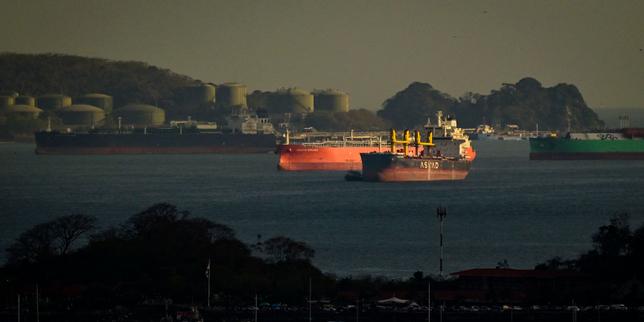
Water is the lifeblood of international shipping, and the Panama Canal is running dry. Operating the locks requires millions of gallons of freshwater supplied by neighboring artificial lakes, primarily Gatun and Alajuela. When prolonged dry spells stunt the replenishment of these reservoirs, authorities have no choice but to slash daily vessel transits and impose strict draft limits on cargo ships.
The economic fallout radiates far beyond local borders. Global supply chains experience immediate congestion as container ships wait weeks for a slot or divert entirely around South America's southern tip. Shipping rates spike. Consumer goods arrive late on store shelves in North America and Europe. Panama loses millions in toll revenue, undermining public budgets that rely on canal operations to fund social programs and national infrastructure.
Cargo companies attempt to adapt by lightening loads or splitting shipments across smaller vessels, but these workarounds simply drive up operational costs. Every inch of lost water depth in the canal translates directly to billions of dollars in stranded capital and delayed cargo. The engineering marvel built a century ago to unite the oceans now faces an existential vulnerability it was never designed to endure.
Agricultural Collapse and Rural Migration
While container ships queue up in the Pacific and Atlantic approaches, rural communities across El Salvador face a quieter, more devastating catastrophe. The dry corridor of Central America—stretching from Guatemala down through Honduras, Nicaragua, and parts of El Salvador—has transformed into a dust bowl for months at a time. Smallholder farmers plant their crops only to watch the soil bake into concrete under relentless sun.
When the rains finally break, they rarely arrive as a gentle mist. Instead, violent squalls hammer the deforested hillsides, triggering catastrophic landslides that bury homes and wipe out whatever crops survived the initial dry spell. Food insecurity spikes rapidly. Families who practice subsistence farming find themselves with empty silos and mounting debt.
Rural migration is the predictable outcome of this environmental pressure. Young people abandon family plots that can no longer sustain basic caloric needs, heading toward urban centers or embarking on the perilous journey northward toward the United States border. Governments declare state alerts and emergency packages, distributing bags of emergency food rations, but these stopgap measures fail to address the structural reality. You cannot hand out fertilizer when the land itself refuses to hold water.
Infrastructure Built for a Ghost Climate
Civil engineers designed Central America's roads, bridges, and municipal water systems for a climate that no longer exists. Drainage culverts built in the mid-twentieth century cannot handle the volume of water dumped by modern storm cells intensified by warmer atmospheric moisture. Roads wash out annually, cutting off remote towns from medical care and commerce.
Urban sprawl compounds the danger. Rapid, unmanaged growth in cities like San Salvador and Panama City has paved over natural absorption zones. Concrete and asphalt channel stormwater directly into swollen rivers rather than allowing it to percolate into aquifers. When heavy rains hit urban centers, drainage systems back up instantly, turning downtown streets into churning rivers that drag vehicles away and flood informal settlements built precariously on steep slopes.
Governments find themselves trapped in a reactive fiscal cycle. National treasuries drain their reserves repairing the same bridges and highways year after year, leaving zero capital for proactive adaptation projects. International loans provide temporary relief, but they also saddle developing economies with long-term debt burdens for assets that may wash away in the next major storm cycle.
The Limits of Institutional Emergency Response
Declaring a state of alert has become a routine bureaucratic ritual for regional executives. Sirens blare, emergency committees convene, and civil protection agencies issue warnings to secure loose roofing and stockpile bottled water. Yet these decrees highlight a fundamental exhaustion of institutional capacity.
A state of alert implies an exceptional, short-term crisis. When the crisis stretches across decades, emergency protocols lose their efficacy. Firefighters and civil defense workers suffer from chronic fatigue, responding to endless rounds of floods, fires, and mudslides without adequate equipment or long-term operational backing.
Regional cooperation remains fractured by political rivalries, even though weather systems ignore national borders. Watershed management requires cross-border agreements on deforestation control, river basin restoration, and early-warning data sharing. Without these integrated frameworks, individual nations resort to isolated, piecemeal defenses that often push environmental damage onto their neighbors.
The dry winds continue to sweep across the hills of El Salvador while the water gauges in Panama drop toward critical thresholds. The region remains suspended in an ongoing climate emergency, absorbing shocks that grow sharper with every passing season while the structural foundations of its economy and society slowly give way beneath the weight of atmospheric change.