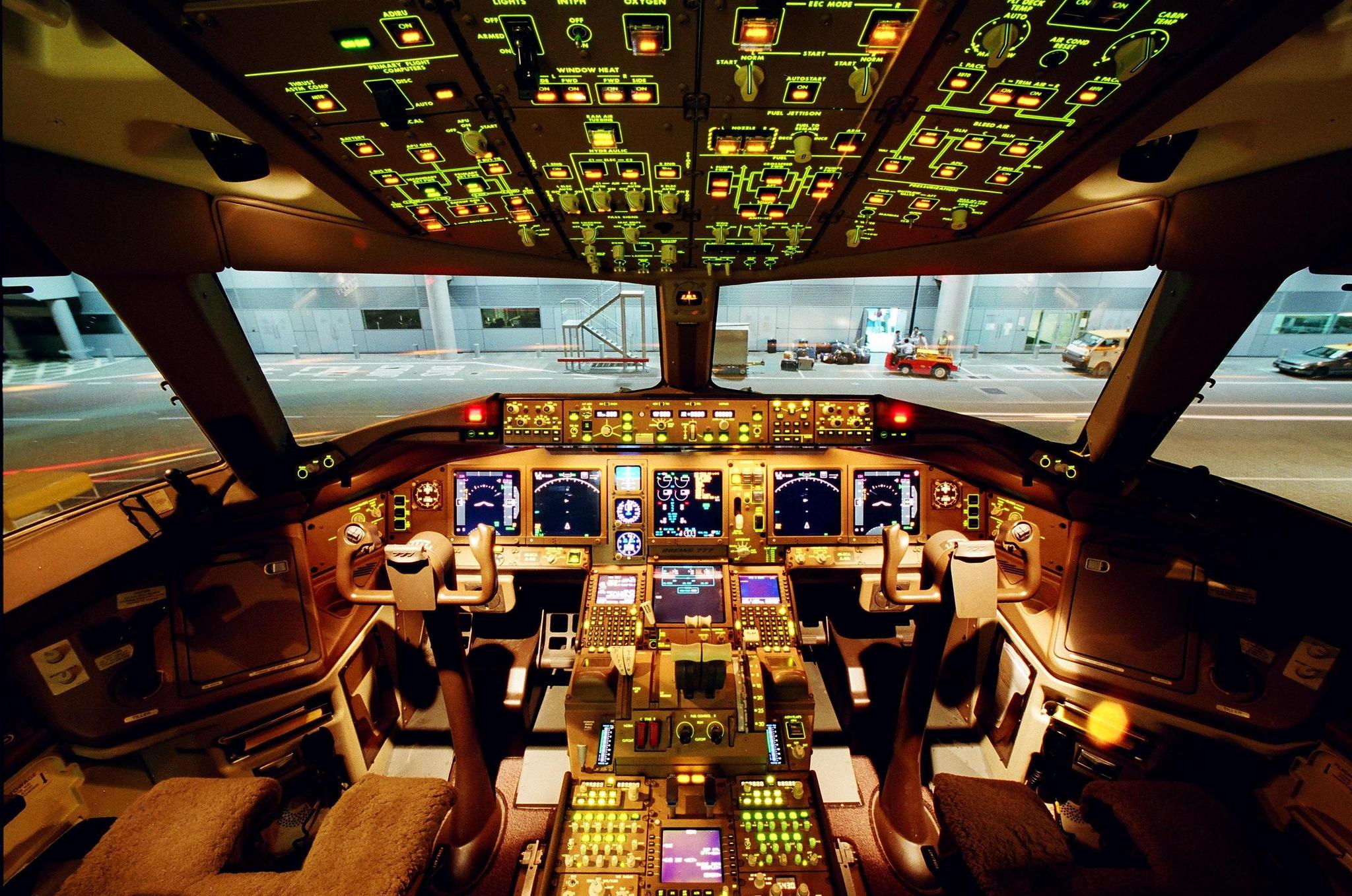
Commercial aviation operates on a simple, rigid premise: the flight deck is an impenetrable sanctuary. Every reinforced door, every security protocol, and every procedural checklist implemented over the last two decades was engineered to keep threats outside the pressure hull.
Then came the drone attacks.
When regional conflicts spill into the skies, the traditional hierarchy of airborne security collapses. Following recent security incidents involving Flydubai operations near active conflict zones, aviation security experts have raised alarms over an uncomfortable reality. Cockpit crews are now facing direct aerial threats that standard defensive measures cannot intercept. The focus has shifted from internal mutinies and hijacking scenarios to kinetic attacks originating from the outside world, targeting the aircraft directly while at altitude or during sensitive departure and arrival windows.
Aviation security has historically suffered from reactive inertia. After 2001, the industry locked the door. After subsequent missing aircraft incidents, tracking protocols shifted. Yet, the proliferation of low-cost unmanned aerial systems and loitering munitions in modern warfare zones has outpaced regulatory