Pablo Escobar died in a hail of gunfire on a Medellín rooftop in 1993, but his most destructive legacy isn't the lingering ghost of his cartel. It’s a multi-ton, aggressive African mammal that has completely conquered the heart of Colombia.
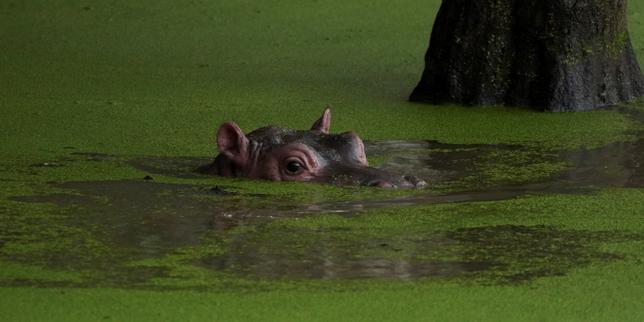
What started as a drug lord's eccentric whim—smuggling three female hippos and one male into his private paradise, Hacienda Nápoles, back in 1981—has transformed into the most bizarre and urgent ecological crisis in South America. Today, those four original animals have bred into a massive, destructive force of roughly 200 feral hippos. They're expanding rapidly across the middle Magdalena River basin.
For decades, the world watched with amused curiosity. Tourists flocked to Puerto Triunfo to buy kitschy hippo souvenirs and take boat tours to glimpse the only wild hippo population outside of Africa. But the novelty has completely worn off. Local fishers are terrified, native species are being choked out, and the Colombian government has finally been forced to make a brutal, unavoidable choice.
In April 2026, Environment Minister Irene Vélez Torres announced a multi-billion peso plan to authorize the euthanasia of up to 80 hippos, alongside localized sterilization and confinement. This isn't a hasty decision; it's a desperate measure to save Colombia's most vital river system before the herd balloons to an unstoppable 1,000 animals by 2035.
The Myth of the Happy Cocaine Hippo
If you read the travel brochures, the hippos are a beloved local mascot. In towns like Doradal, statues of the animals decorate the streets. Tour operators point out the beasts lounging in the shallows as if they're part of the natural landscape. Some locals even talk about the animals like they're neighborhood pets, claiming they can "read their body language" and that because they were born on Colombian soil, they're citizens too.
That's a romantic fiction. The reality on the water is terrifying.
Hippos are notoriously aggressive, fiercely territorial, and possess a bite force capable of snapping a canoe cleanly in half. Colombia’s fishers and farmers can't simply ignore them. There are mounting reports of hippos wandering onto small family farms, trampling valuable crops, eroding fragile riverbanks, and attacking livestock. Fishers on the Magdalena River increasingly find themselves trapped in their boats, unable to cast their nets because a three-ton bull has claimed the channel.
The idea that humans and wild hippos can peacefully cohabit in a dense tropical river system is a dangerous illusion. It’s only a matter of time before a major tragedy occurs.
An Environmental Disaster Crafted in Excess
To understand why these animals are thriving so aggressively, you have to look at their native African habitat versus the Colombian lowlands. In Africa, the climate is brutal. Prolonged droughts, severe food shortages, and natural predators like lions and Nile crocodiles keep hippo populations in check.
Colombia is paradise for them. The Magdalena River valley offers a constant, warm climate with abundant water and endless, lush vegetation all year long. There are absolutely no natural predators. Because they don't face the harsh environmental pressures of sub-Saharan Africa, the Colombian hippos reproduce at a much faster rate. Females are reaching sexual maturity earlier and breeding more frequently.
The environmental fallout from this population boom is massive and measurable. A comprehensive 170-page technical report by the Humboldt Institute and the Universidad Nacional revealed that the hippos are fundamentally reshaping the aquatic chemistry of the region.
Each adult hippo consumes up to 70 kilograms of grass daily on land and then retreats to the rivers to digest. They pump massive quantities of nutrient-heavy dung directly into the lakes and wetlands. This heavy overload of nitrates and phosphates triggers severe toxic algae blooms, which strips the water of oxygen.
As water quality deteriorates, native fish populations suffer. The hippos also directly compete for food and nesting grounds with vulnerable native species like the West Indian manatee, capybaras, and river turtles. By altering the riverbeds and consuming vast amounts of bankside vegetation, they are literally displacing the local wildlife that has occupied these ecosystems for millennia.
Why Science Defeated the Non-Lethal Dream
For over a decade, successive Colombian administrations tried to avoid a cull. Nobody wants to be the politician who signs a death warrant for charismatic megafauna, especially when animal rights groups and international fans are watching. But the non-lethal solutions have utterly collapsed under the weight of logistical reality.
Surgical sterilization sounds great in theory, but it's a logistical nightmare in the wild. Catching a multi-ton, aggressive semiaquatic mammal in a remote swamp requires an army of vets, heavy tracking equipment, and massive cranes. Sedating a hippo is notoriously risky; their thick hide and unique physiology make dosing incredibly difficult. Over the last 12 years, the country has poured enormous resources into vasectomies and chemical contraceptives, but the numbers keep climbing. Biologists have noted that even if you manage to castrate a dominant bull, a younger subadult male immediately steps in to take over the harem. It’s like trying to drain an ocean with a thimble.
What about just shipping them away? The government tried.
Officials reached out to zoos and sanctuaries across seven different nations, including Mexico, India, and the Philippines. The response was a resounding, administrative silence. International wildlife trafficking rules under the CITES agreements make moving these animals nearly impossible. Furthermore, because the entire Colombian herd descended from just four individuals, they suffer from low genetic diversity and visible inbreeding deformities. No foreign country wants to take on the massive liability, high care costs, and biosecurity risks of housing heavily inbred, aggressive feral hippos.
The Cost of Action
The Colombian government's new $2 million plan, funded through the national Fund for Life and Biodiversity, isn't a mindless hunting free-for-all. It's a structured, scientific intervention scheduled to begin in the second half of 2026.
The strategy targets high-density hotspots around the original Hacienda Nápoles estate and specific river islands like Isla del Silencio. Vets will use chemical sedation followed by lethal injections where possible. In rugged, inaccessible terrains where corraling the animals is impossible, specialized firearms will be used by trained professionals to ensure swift, humane deaths that meet international animal welfare and biosecurity standards.
Predictably, the decision has split the country. Animal rights advocates and national politicians have condemned the move as cruel, calling it an easy way out that punishes innocent animals for decades of state negligence. On the other side stand conservationists, field biologists, and river communities who understand that failing to act now means sacrificing the entire biodiversity of the Magdalena River.
To save the manatees, the turtles, and the human communities who depend on the river for survival, the descendants of Escobar's pets must be removed.
If you want to understand the scale of the crisis, watch this report detailing how Colombia approves a culling plan as Escobar's Hippos become an environmental threat. This video provides direct footage of the feral herds roaming the Magdalena basin and explains the scientific consensus that forced the government's hand.
If you live in or plan to visit the Middle Magdalena region, support local eco-tourism initiatives that focus on native wildlife conservation rather than patronizing unguided hippo-spotting tours that reward the illegal feeding or handling of calves. True environmental stewardship means prioritizing the health of an entire ecosystem over the survival of an invasive relic of drug-cartel excess.