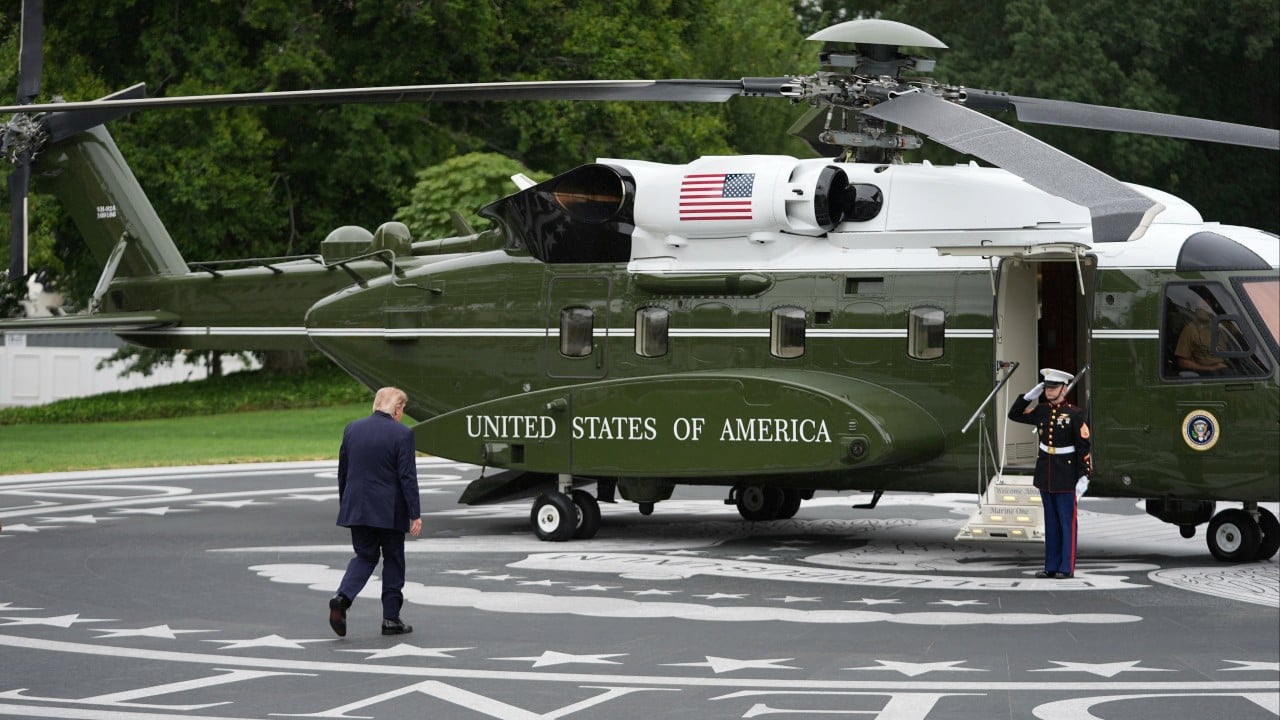
Freshly poured gray concrete hardens quietly under a harsh Washington sun. It cost millions. It sits on the South Lawn like a heavy punctuation mark, waiting for an arrival that is destined not to happen.
Governments build monuments to protocol. Sometimes, those monuments take the form of circles designed to steady descending aircraft. When the mechanics finished bolting down the new helipad at the White House—a project stretching past five million dollars—they engineered a marvel of modern logistical security. Weight-bearing capacity calibrated. Lighting systems embedded. Drainage channels meticulously sloped. Everything was ready.
Except the guest of honor.
Across the Pacific Ocean, leaders calculate their movements with chess-like precision. When foreign heads of state visit Washington, every step from tarmac to doorway is choreographed down to the millimeter. Symbolism matters. Optic weight matters. And a foreign leader touching down directly onto the executive lawn sends a specific message about alliance, proximity, and trust.
Xi Jinping will not use that concrete circle.
To understand why, you have to step away from the blueprints and look at how power actually moves in Beijing. Diplomatic protocol for the leadership of China is rarely improvised. It is steeped in a deliberate choreography of equality and caution. A direct helicopter landing on the American president’s lawn offers an intimacy of access that bypasses traditional diplomatic corridors. It places a foreign visitor directly into the inner sanctum before formal, heavily negotiated handshakes take place at neutral or carefully balanced sites.
In the quiet corridors of international relations, physical space is a language.
Imagine standing at the edge of the South Lawn, watching the blades of Marine One kick up dust. The roar is deafening. The wind whips across the grass. For an American president, it is a daily commute or a quick escape to Camp David. It is utilitarian. It is domestic.
For a visiting counterpart, descending from the clouds directly into the backyard of the American executive branch feels less like an invitation and more like stepping onto an opponent's home court before the whistle blows.
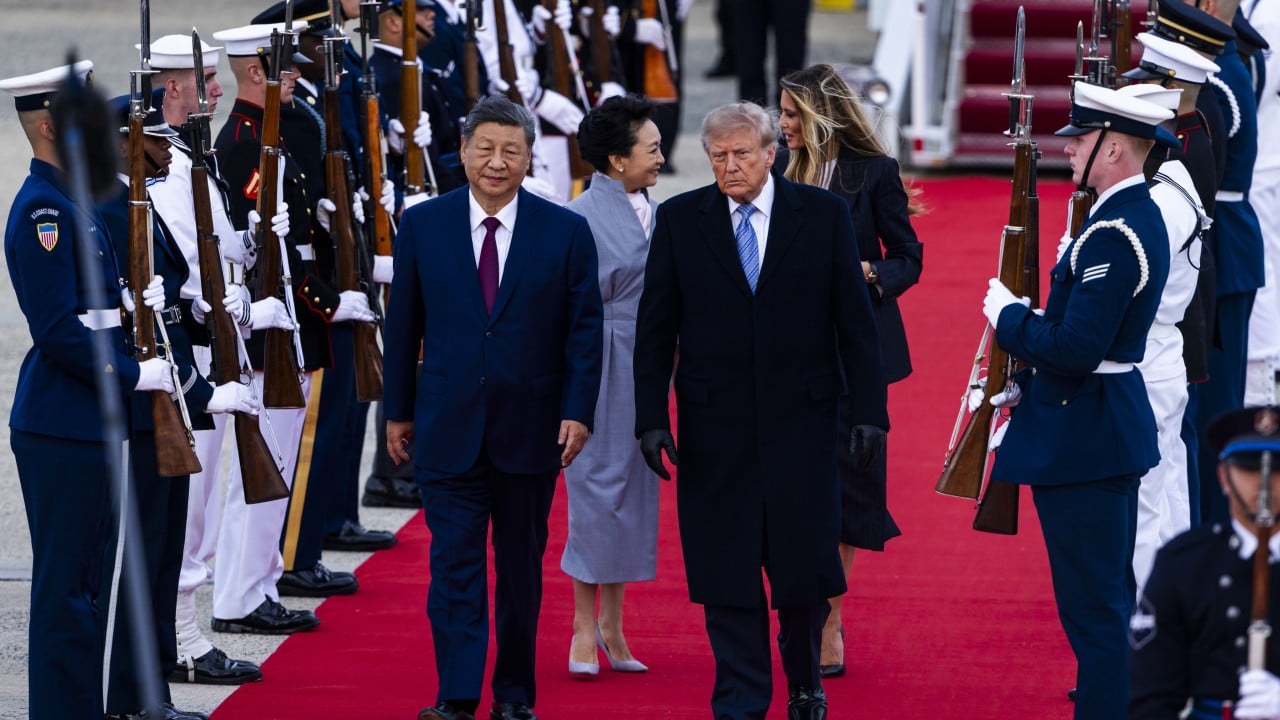
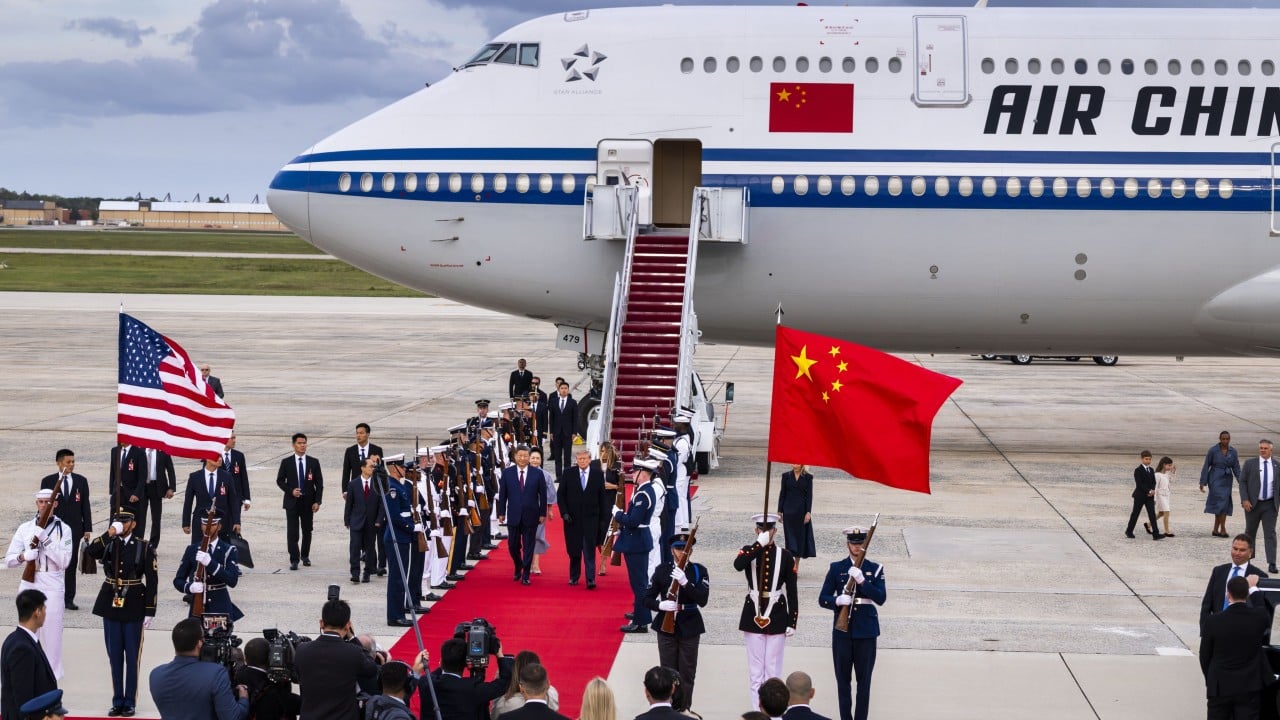
Diplomacy requires theater. Every entrance is staged. When high-level delegations arrange state visits, the motorcade remains the gold standard of diplomatic transit. A long line of identical black vehicles rolling through the iron gates allows for a measured, stately approach. It provides a buffer. It grants time. It maintains a formal distance that a sudden drop from a helicopter simply dissolves.
Money does not buy tradition. Appropriations bills can fund the construction of high-tech landing pads, reinforced foundations, and state-of-the-art security perimeters, but they cannot rewrite decades of geopolitical strategy.
Consider what happens when superpowers meet. Every gesture is weighed. Every shortcut is scrutinized for hidden leverage. If a leader steps out of a helicopter on the White House lawn, domestic media back home interprets the visual through a very particular lens. Optics dictate narrative. And in certain capitals, projecting an image of absolute parity is worth more than saving twenty minutes of traffic.
The helipad remains pristine. The grass around it grows back thick and green. Maintenance crews sweep away stray leaves.
It stands as a reminder that architectural ambition often outpaces political reality. You can pour the concrete. You can install the lights. You can clear the airspace. But until two nations find a shared vocabulary of trust, the most expensive landing spot in the capital will continue to host only the wind.