Denis Sassou Nguesso isn't just a president. He’s an institution. In a world where political terms are usually measured in years, his rule is measured in decades—nearly four of them, to be exact. When the Republic of Congo went to the polls recently, the outcome felt like a foregone conclusion to many observers. But look closer. Between the digital silence of a national internet blackout and the tragic death of his main challenger, Guy Brice Parfait Kolélas, this election wasn't just "business as usual." It was a masterclass in how modern autocracy functions under the radar of global headlines.
If you’re looking for a simple story about a vote, you’re missing the point. This was about the mechanics of staying in power when the world is watching but can’t actually see anything.
The digital curtain falls
Imagine waking up on election day and finding your phone is basically a paperweight. No WhatsApp. No Twitter. No way to check if your neighbor made it to the polling station safely. That’s exactly what happened in Brazzaville and across the country. Just as the polls opened, the internet went dark.
Data from NetBlocks confirmed a near-total collapse of national connectivity starting at midnight. This isn't a new trick. The government did the same thing in 2016. By cutting off the internet, you don't just stop people from complaining; you stop them from organizing. You stop independent observers from reporting irregularities in real-time. You create an information vacuum that only the state-run media can fill.
When you can't livestream a ballot box being tampered with, did it even happen? That’s the logic at play here. It’s a deliberate strategy to ensure the "official" narrative is the only one that exists until the results are safely announced.
A race against death
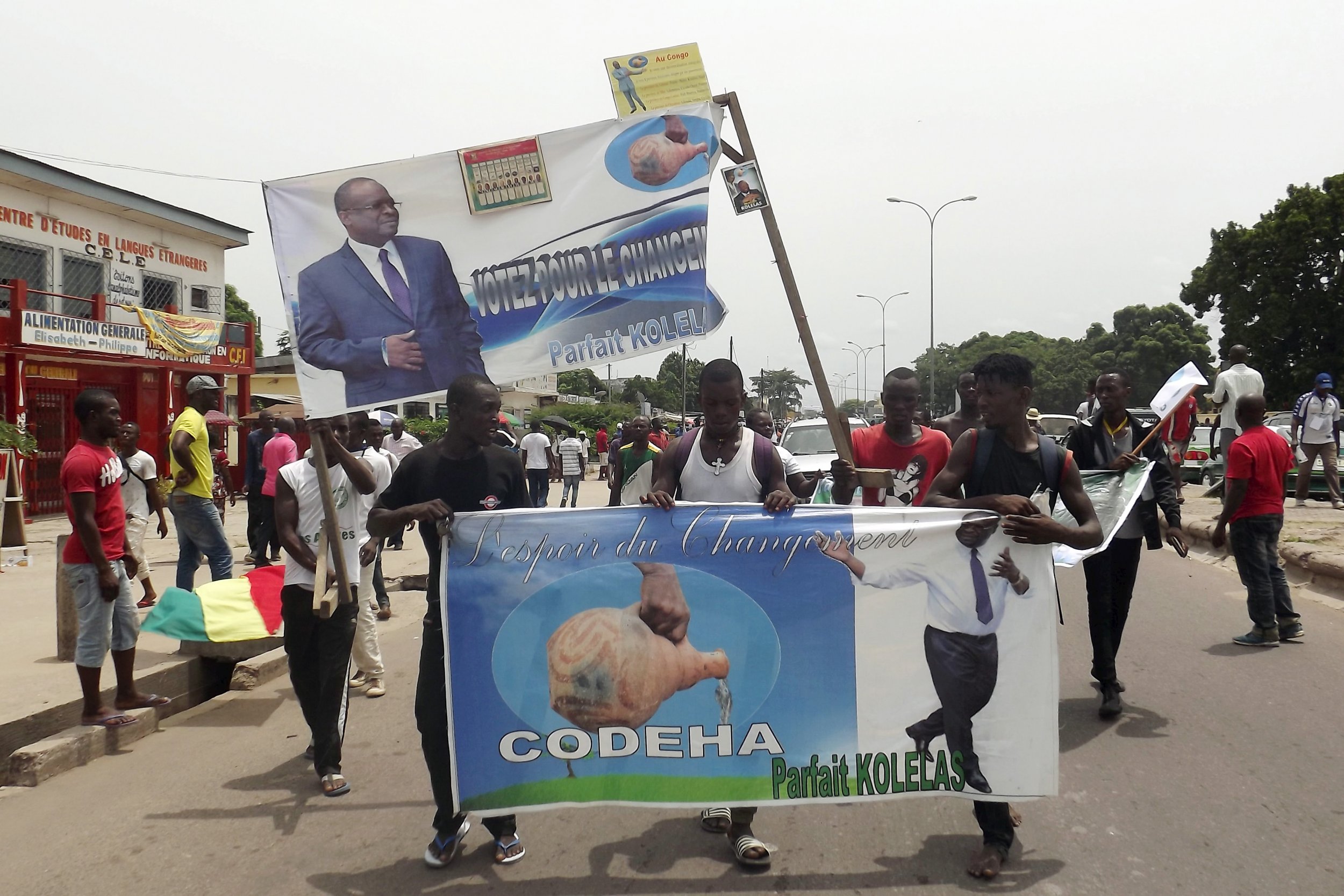
The most somber note of the entire cycle was the fate of Guy Brice Parfait Kolélas. Known to his supporters as "Pako," Kolélas was the only real threat to Sassou Nguesso’s streak. But while the President was campaigning on "stability," Kolélas was fighting for his life in a hospital bed, hooked up to an oxygen machine.
His final message to the country was haunting. A viral video showed him removing his oxygen mask, his voice weak but urgent, telling the Congolese people to "stand up and vote for change." He died of COVID-19 complications while being medically evacuated to France, just hours after the polls closed.
His death didn't just remove an opponent; it sucked the air out of the opposition's lungs. Without a figurehead to rally around during the tense days of the vote count, the resistance felt fragmented. Sassou Nguesso ended up with a staggering 88% of the vote. In a truly competitive environment, those kinds of numbers are rare. In Congo, they’re the standard.
The myth of the subdued turnout
Official reports might give you one number, but the streets tell a different story. In many neighborhoods, the vibe wasn't one of democratic fervor. It was apathy. People don't stay home because they don't care; they stay home because they don't believe their vote changes the math.
When a leader has been in power since 1979—with only a brief five-year gap in the 90s—the "youth" of the country have never known another face on the currency or the evening news. This creates a psychological barrier. Why risk the heat and the long lines if the result was decided months ago in a boardroom?
- Voter registries: Many citizens reported their names were simply missing.
- Intimidation: Armed security was a common sight at polling stations, ostensibly for "order," but effectively for a chilling effect.
- Boycotts: Major opposition parties, like the Pan-African Union for Social Democracy (UPADS), didn't even bother showing up, calling the whole process a "masquerade."
Why the world looks away
Congo Republic is Africa's third-largest oil exporter. That's the reality that keeps the lights on and the international community quiet. When you have vast reserves of crude and deep ties with major powers like China and France, "stability" becomes a very valuable currency.
The government has successfully framed Sassou Nguesso as a bulwark against the kind of chaos seen in neighboring countries. They point to the civil wars of the past and say, "It’s me or the abyss." It’s an effective, if cynical, way to maintain the status quo.
But this stability comes at a high cost. The economy is struggling, debt is ballooning, and the wealth from that oil rarely trickles down to the 6 million people living there. Most of them are just trying to get through the day in one of the most expensive cities in Africa while living on less than a few dollars.
What happens now
Don't expect a sudden shift in policy. Sassou Nguesso is now positioned to lead for several more years, potentially paving the way for a dynastic succession. His son, Denis Christel Sassou Nguesso, is already a prominent figure in the cabinet.
If you want to understand where the country is headed, stop watching the ballot boxes and start watching the internal party dynamics. The real "election" happens behind the scenes of the Congolese Party of Labour (PCT).
For the average citizen, the next step isn't about the next vote. It's about finding ways to bypass the digital and political gatekeepers. The use of VPNs is skyrocketing, and local grassroots organizations are slowly finding ways to operate outside the shadow of the state. Change in Congo won't come from a rigged app or a blocked website; it'll come from the slow, quiet rebuilding of a civil society that’s been under pressure for forty years.
Watch the oil prices and watch the debt renegotiations with the IMF. Those are the real levers of power in Brazzaville. The internet will come back on, the slogans will fade, but the fundamental struggle for a voice in Congo continues.