The coffee at the corner diner on 4th Street costs four dollars and seventy-five cents now. Five years ago, it was two dollars and fifty cents. Nobody yelled about it. There was no riot in the aisles of the grocery store when a carton of eggs quietly crossed the six-dollar line. Prices just drifted upward, like smoke from a distant fire, until everyone woke up choking.
We live inside a slow-motion magic trick. The trick is that the dollar in your pocket buys less today than it did yesterday, and tomorrow it will buy even less.
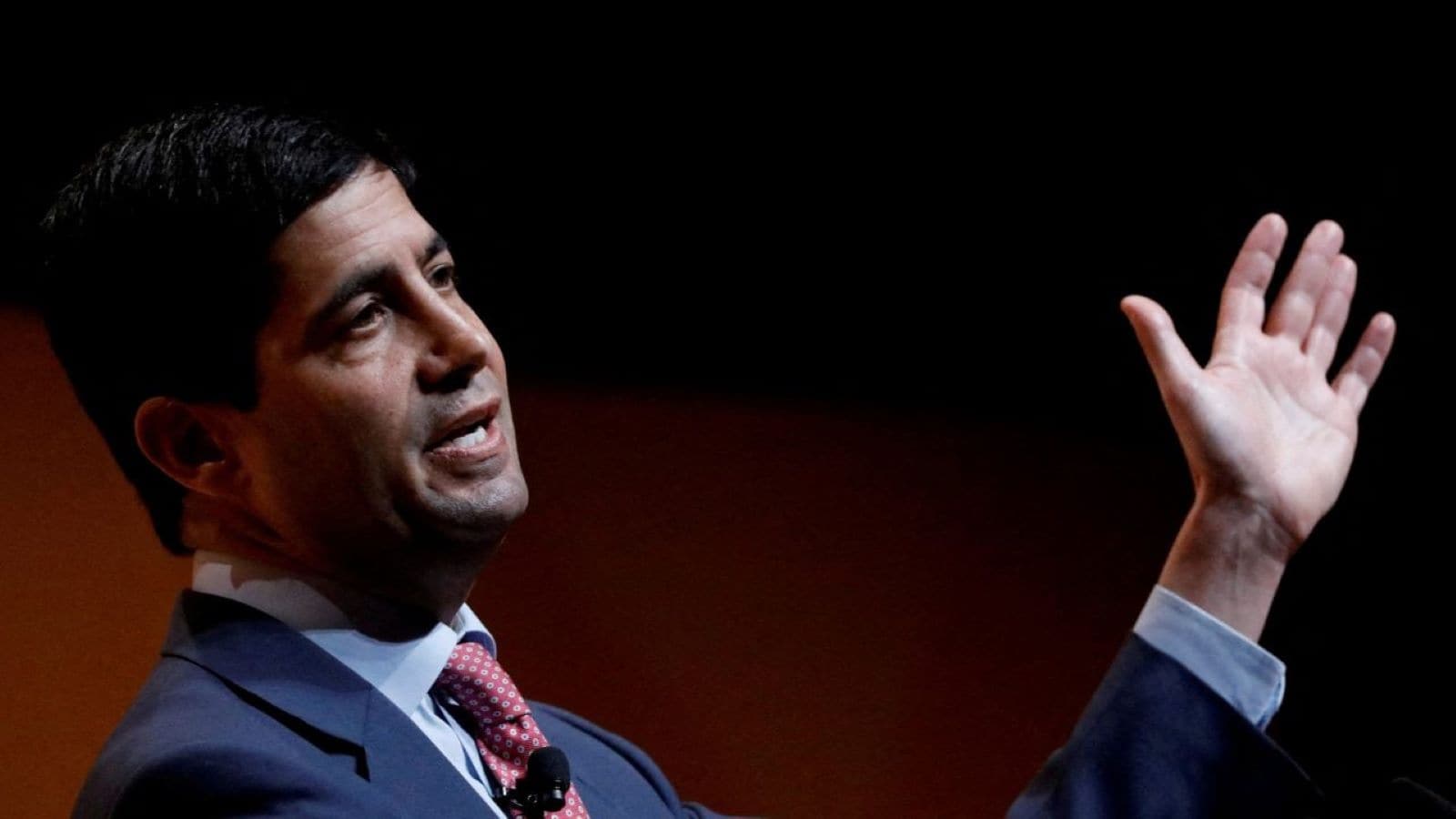
Across town, inside a limestone fortress on Constitution Avenue, Kevin Warsh sits at a mahogany desk. He is staring at a single metric. Two percent. That is the holy grail. Two percent inflation, year over year, like a metronome keeping time for a continent.
For months, the numbers have refused to dance to that tune. They are sticky. Stubborn. They hover at two and a half, sometimes three, refusing to drop down to the central bank's comfort zone. The consumer price index prints warm. The grocery bills stay high. And so, the machinery of state begins to groan.
Warsh has a lever in his hand. It is made of interest rates. Pull it up, and credit freezes. Pull it up, and the housing market stumbles. Pull it up, and the small business owner who took out a line of credit to survive the winter suddenly finds their monthly payment doubled.
It hurts. That is the point.
Inflation is a thief in the night. High interest rates are the guard dogs let loose in the dark. They bite indiscriminately. They bite the speculative tech startup and the plumber trying to finance a new van. But Warsh and his colleagues at the Federal Reserve look at the sticky price tags on milk and gasoline, and they weigh the pain of the cure against the poison of the disease.
If inflation fails to cool toward that elusive two percent target, the hammer falls. A rate hike is coming.
Meet Elena. Elena owns a bakery downtown. She employs four people. Her ovens run on natural gas, which costs thirty percent more than it did two winters ago. Her flour arrives in sacks that have quietly shrunk in weight while the price printed on the invoice has climbed. Elena does not read monetary policy reports. She does not care about the Federal Open Market Committee meeting minutes.
She cares about her payroll account on Friday afternoons.
When borrowing costs rise, Elena's margin for error shrinks to the width of a razor blade. If Warsh signals a rate hike because the national inflation print came in hot, Elena's bank calls her about her commercial loan. Her monthly interest payment jumps by six hundred dollars. She cannot raise the price of a croissant any higher; her neighborhood customers are already grumbling and buying store-brand bread at the mega-mart.
So she absorbs it. Or she lets someone go.
This is the invisible transmission belt of central banking. Economists talk about "cooling the economy" as if they are turning down a thermostat in a vacant vacation home. They use sanitized language. They speak of tightening financial conditions, moderating aggregate demand, and anchoring long-term expectations.
They are not talking about thermostats. They are talking about Elena.
The mechanism relies on a harsh psychological shift. When money becomes expensive, people stop spending. Businesses stop expanding. Demand softens. When demand softens, companies cannot raise prices. Inflation, finally, dies down.
It is a blunt instrument. It is like using a sledgehammer to repair a grandfather clock.
For the past year, consumers have defied gravity. They kept swiping their credit cards. They kept booking flights. They acted as if the post-pandemic surge was a permanent state of being. Economists were baffled. The textbook models said that forty years of high interest rates should have induced a mild recession by now. Instead, the job market stayed resilient, wages ticked up slightly, and people kept buying tickets to concerts and dinners out.
The defiance is cracking.
Credit card delinquencies are rising among households making under fifty thousand dollars a year. Auto loan defaults are creeping up. The excess savings accumulated during the stimulus era have largely evaporated, spent down to the last dollar on higher rents and groceries.
Yet, inflation refuses to complete its journey back to the baseline. Services remain sticky. Insurance costs—auto and home—have spiked dramatically, driven by higher repair costs and climate disasters. Every time the headline inflation number ticks down, a sub-index pops back up to ruin the celebration.
This is why Warsh is issuing the warning. It is a shot across the bow. He is telling the markets not to get ahead of themselves. Wall Street traders spent the last quarter pricing in rate cuts, celebrating a pivot that hasn't actually arrived. They wanted cheap money back. They wanted the party to resume.
Warsh is turning the lights on.
The signal is clear. If the data does not cooperate, if the monthly price indices show stubborn resilience instead of the required descent, the central bank will not flinch. They will raise rates again. They will make money scarcer. They will risk a downturn to crush the persistence of rising prices.
Consider what happens next.
When the cost of capital climbs, venture capital dries up. Tech companies freeze hiring. Real estate transactions stall further because mortgage rates refuse to descend from their elevated perch. The housing market, already locked in a state of paralysis where current homeowners refuse to sell and give up their three percent mortgages, locks even tighter.
First-time buyers are locked out entirely. A whole generation watches the American dream of homeownership recede into the fog, not because they lack a work ethic, but because the math of twenty-year bonds makes ownership a mathematical impossibility.
Yet, the alternative is worse. Unchecked inflation is a regressive tax that preys on the poorest. If you make two million dollars a year, a ten percent increase in the price of eggs is a rounding error. If you make thirty thousand dollars a year, it is a crisis. Inflation eats savings. It destroys pensions. It turns a lifetime of prudent thrift into a joke, because the dollars saved over forty years buy a fraction of what was promised.
That is the trap. Raise rates and break the small businesses, or hold rates steady and let inflation eat the purchasing power of the working class.
There is no painless exit. There is only a choice of poisons.
When Warsh speaks, he is trying to bridge these two realities. He is speaking to bond traders in Manhattan who trade billions in milliseconds, but he is also speaking to the structural imbalance of an economy caught between global supply chain scars and domestic wage pressures.
The market heard him. Stock futures dipped. Bond yields ticked upward. The digital ink on financial terminals turned red for an hour.
Back at the diner on 4th Street, the coffee machine hisses. The waitress wipes down the counter with a yellow rag. A regular comes in, drops a five-dollar bill on the laminate, and walks out with his change in a paper cup. He does not know who Kevin Warsh is. He does not know what a basis point is.
He just knows his paycheck doesn't stretch as far as it used to. And somewhere in Washington, beneath the marble pillars and the portraits of men who managed crises of a different era, the decision is being made to make things a little harder, just for a little longer, until the numbers finally line up.