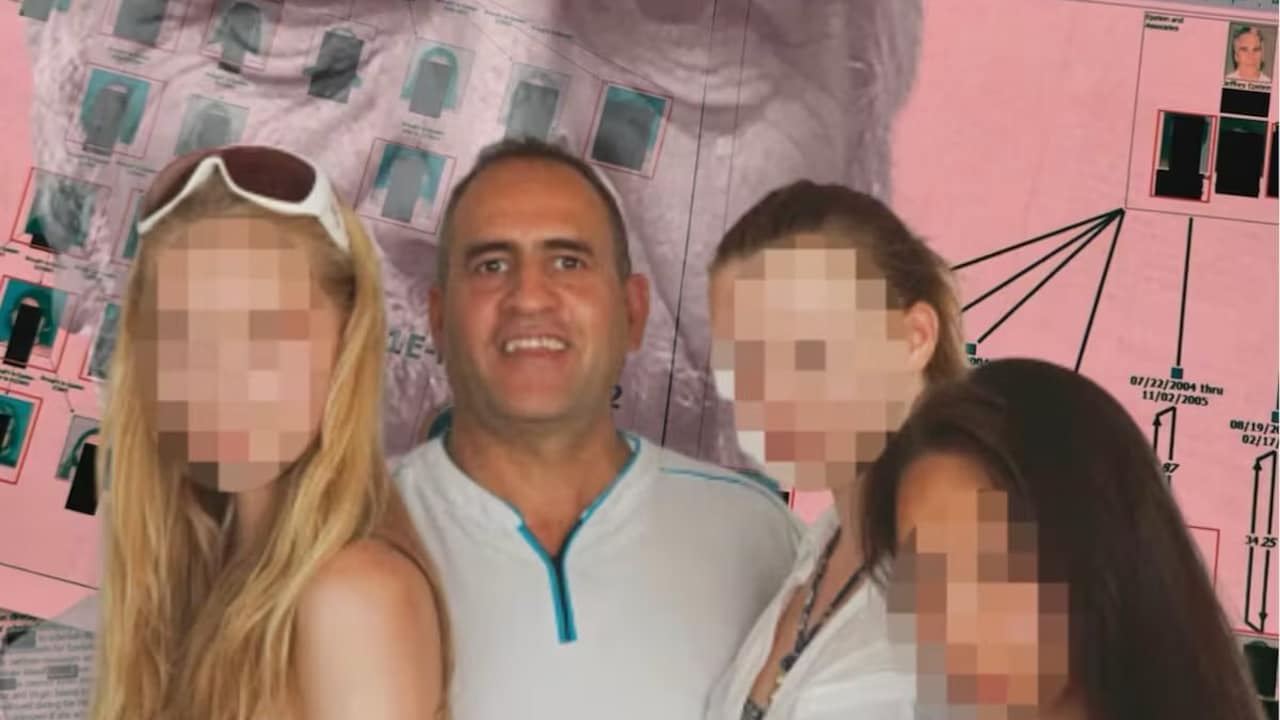
When news broke that modeling agent Jean-Luc Brunel was found hanging in his cell at La Santé Prison in Paris, a heavy sense of deja vu hit everyone following the Jeffrey Epstein web. Just like Epstein three years prior, a central figure in a global sex trafficking network died before standing trial in a court of law.
For the women who spent decades waiting to confront him, the moment wasn't a relief. It was a door slamming shut.
Brunel was a powerful scout who helped shape the high-fashion modeling world of the 1980s and 1990s. He ran Karin Models in Paris before founding MC2 Model Management in the US—a venture funded with a $1 million line of credit directly from Jeffrey Epstein. Beyond the glamour of catwalks and magazine covers, prosecutors and accusers say Brunel operated a pipeline, grooming young women and minors under the guise of career opportunities.
Understanding how Brunel operated, how his case collapsed with his death, and what it means for accountability in fashion and international law requires looking past the sensational headlines.
Who Was Jean Luc Brunel and How Did He Fit Into Epstein Network
Jean-Luc Brunel wasn't just another associate sitting in Epstein's black book. He was an engine of the operation.
In the high-stakes modeling industry, Brunel held immense leverage over young, ambitious teenagers. He had a talent for spotting fresh faces, but accusers alleged that his business model relied on exploitation. Virginia Giuffre, one of the primary survivors who brought Epstein’s network to light, explicitly named Brunel in US court filings, describing him as a main recruiter who funneled young women into Epstein’s orbit.
The financial links weren't hidden, either. Epstein didn't just associate with Brunel; he financed him. When Brunel moved his primary operations to North America, MC2 Model Management was backed by Epstein’s money. The agency gave Brunel legitimate cover to secure work visas for young models arriving in New York and Miami, effectively controlling their legal status, housing, and income.
It created a trap. A young girl arriving from overseas had no local support system, relied entirely on the agency for her legal right to stay in the country, and faced immediate career ruin if she spoke up.
The Arrest at Paris Charles de Gaulle Airport
After Epstein’s death in August 2019, Brunel vanished from public view. He spent over a year avoiding public scrutiny while French authorities built a case against him.
That run ended in December 2020 at Charles de Gaulle Airport. French border police stopped Brunel as he was about to board a flight to Dakar, Senegal. He claimed he was simply going on vacation, but police took him straight into custody.
French prosecutors charged Brunel with the rape of minors and sexual harassment, placing him under formal investigation. Hundreds of witnesses and potential victims came forward to detail encounters stretching back to the late 1980s. Former models like Thysia Huisman publicly recounted how they were allegedly drugged or assaulted after trusting Brunel with their budding careers.
For a moment, it seemed like the French legal system would do what the US system missed out on with Epstein: bring a primary player through an entire, public criminal trial.
What Happened Inside La Sante Prison
Brunel was held at La Santé Prison, a facility in southern Paris known for its high-security and VIP sections reserved for high-profile inmates or individuals facing safety risks from the general population.
His time in detention was marked by legal battles. His attorneys pushed hard for his release, arguing that a 75-year-old man shouldn't be held in pre-trial detention. In late 2021, he was briefly released on bail, only for a court of appeal to overturn the decision days later and send him back to his cell.
On the night of February 18, 2022, guards found Brunel dead by hanging inside his single cell during a night check.
Official inquiries concluded that Brunel died by suicide, finding no signs of foul play or third-party involvement. His defense team immediately released statements claiming his death was driven by a sense of injustice and distress over his imprisonment, maintaining his innocence until the end.
Yet, the timing sparked intense frustration across the globe. Brunel died just as unsealing orders in US civil cases were threatening to expose further documentation surrounding Epstein's co-conspirators.
Why Pre-Trial Deaths Destroy Legal Options for Victims
Under French criminal law—and under civil law jurisdictions across much of Europe—a criminal prosecution is automatically terminated upon the death of the defendant.
When Brunel died, the active prosecution against him officially ended. There was no trial. There was no jury verdict. There was no formal judicial ruling stating "guilty".
This legal reality hit the survivors hard. Thysia Huisman and other women expressed intense anger and bitterness over the system's failure to keep key suspects alive long enough to face judgment. In a criminal proceeding, the courtroom is often the only place where a victim's testimony is formally validated by the state. Without a verdict, victims are left without legal resolution.
Attorneys representing the victims pointed out that while Brunel's death stopped his personal criminal case, it highlighted systemic flaws in how justice systems handle high-risk, aging defendants in major conspiracy cases.
Structural Reforms Needed to Fix the Modeling Industry
Brunel’s decades-long career exposes how easy it was for abusers to hide behind the prestige of the fashion world. For years, young models were treated as independent contractors without basic labor protections, making them sitting ducks for exploitative agents.
To prevent another Jean-Luc Brunel from operating unchecked, several structural shifts are necessary:
- Eliminate unchecked agency control over visas: Agencies shouldn't hold total control over an international model’s legal status in a country, which creates an immediate power imbalance.
- Mandate independent chaperones: Minor models must have non-agency chaperones present at shoots, castings, and international travel.
- Establish third-party reporting bodies: Industry reporting mechanisms must operate independently of the agencies themselves, ensuring complaints don't end up on the desk of the person committing the abuse.
- Increase prison surveillance for high-profile defendants: Correctional facilities holding primary suspects in massive trafficking cases must implement strict anti-suicide protocols to ensure defendants survive to face trial.
True accountability doesn't happen when a suspect dies in a cell. It happens when the structures that enabled them are dismantled and forced into the light.