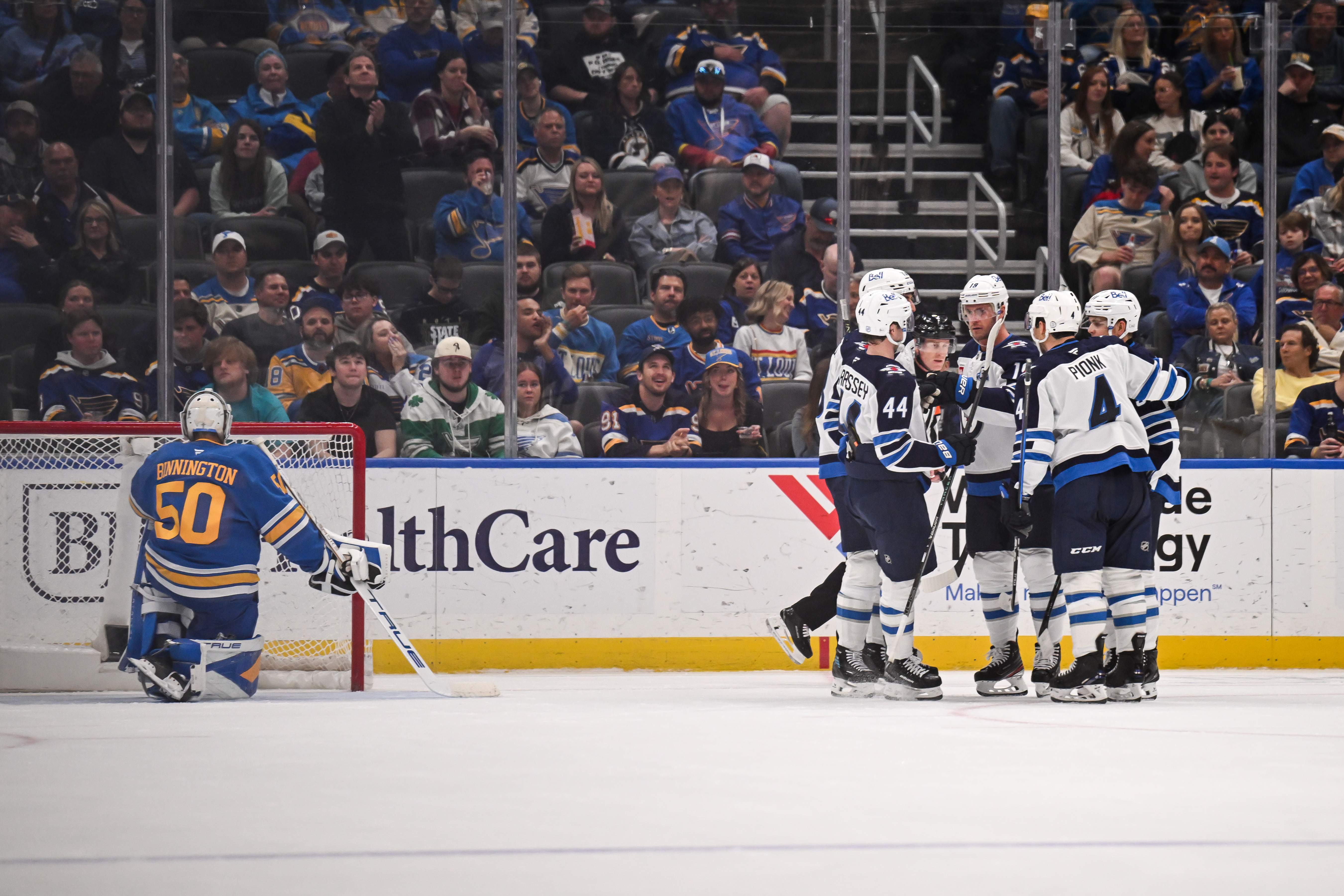
The Montreal Canadiens 2-1 victory over the Tampa Bay Lightning represents a fundamental shift in defensive efficiency that transcends the superficial outcome of a regular-season win. While traditional sports reporting focuses on the "thrill" of a close contest, a mechanical audit of the game reveals a systematic suppression of high-danger scoring chances. Montreal's success was not a product of luck or "grit," but rather a disciplined execution of localized man-to-man coverage within a traditional zone structure, effectively neutralizing Tampa Bay’s horizontal passing lanes.
The Triad of Defensive Containment
Montreal’s victory rests upon three specific operational pillars: structural discipline in the low-to-high zone, the isolation of elite shooters, and the optimization of goaltending sightlines.
1. Zone Density and High-Danger Suppression
The Canadiens maintained a compact defensive box that prioritized the "inner slot"—the area of the ice where shooting percentage increases exponentially. By conceding the perimeter, Montreal forced Tampa Bay into low-probability shots from the point. The success of this strategy is visible in the shot location data: while the Lightning recorded a higher volume of attempts, the weighted value of those shots remained low.
The effectiveness of a defensive shell is measured by the delta between shot quantity and Expected Goals (xG). Montreal’s ability to keep the puck on the exterior meant that even when possession time favored Tampa Bay, the actual threat level remained manageable. The defense operated as a filter, allowing low-impact pucks through while physically obstructing the high-impact lanes.
2. Neutralizing the Power Play Engine
Tampa Bay’s offensive identity revolves around the "bumper" play and the cross-seam pass. Montreal’s penalty kill utilized a diamond formation specifically designed to intersect the passing axis between the half-wall and the opposite circle. By disrupting the timing of these transitions, Montreal forced the Lightning into "dusting" the puck—taking an extra second to settle it—which allowed the Canadiens’ skaters to reset their defensive posture.
This disruption is a form of cognitive load management. When an elite offensive unit cannot execute its primary patterns, it reverts to improvised playmaking. Improvised plays are statistically less likely to result in goals than structured set plays. Montreal’s success was found in forcing Tampa Bay into these lower-efficiency decision-making cycles.
3. Goaltending as a Function of Defensive Visibility
A goaltender's save percentage is a dependent variable, influenced heavily by the team's ability to clear the "crease front." In this matchup, Montreal’s defensemen prioritized the elimination of screens and second-chance opportunities. By physically moving Lightning forwards out of the goaltender's line of sight, the defense ensured that the goaltender was reacting to the puck itself, rather than guessing its trajectory based on the shooter's body language.
The "thrill" of a 2-1 game is often just the byproduct of a goaltender who is permitted to see the puck. When a goalie isn't fighting through a "forest" of bodies, their technical positioning—butterfly depth, post-integration, and rebound control—becomes the deciding factor.
The Cost Function of Aggressive Forechecking
Montreal’s offensive output, though limited to two goals, was a result of calculated risk-taking in the transition game. The Canadiens employed a "1-2-2" forecheck that prioritized neutral zone turnovers over deep offensive zone pressure.
- The Lead Forechecker: Tasked with forcing the Tampa Bay defenseman toward the boards.
- The Support Layer: Two forwards positioned to intercept the "relief pass."
- The Safety Valve: Defensemen holding the blue line to prevent a counter-attack.
This conservative approach limits the number of "odd-man rushes" conceded. In a 2-1 environment, the cost of an aggressive pinch by a defenseman is too high. Montreal recognized that against a high-octane transition team like Tampa Bay, the safest path to victory is a low-event game. They successfully reduced the total number of possessions for both teams, effectively shortening the game and increasing the impact of their own limited scoring opportunities.
Developmental Milestones in the Canadiens Rebuild
This specific performance serves as a case study for the maturation of Montreal’s young defensive core. The "Wilde" perspective often emphasizes individual flashes of brilliance, but the data suggests a more collective improvement in "Gap Control"—the physical distance between a defender and the puck carrier.
Gap Control and Defensive Latency
Earlier in the season, Montreal’s defenders often conceded too much space, allowing opposing forwards to enter the zone with speed. In this contest, the gap was maintained at a consistent sticks-length. This physical proximity reduces the time an attacker has to scan the ice, effectively increasing "defensive latency"—the time it takes for an offensive player to find a viable teammate.
The Role of Tactical Patience
Winning a 2-1 game against a superior offensive roster requires tactical patience. It is the ability to withstand sustained pressure without "breaking structure" to chase the puck. Montreal showed a level of maturity usually reserved for veteran teams, refusing to over-commit to puck battles along the boards when it would mean leaving the front of the net unguarded.
Limitations of the Low-Event Strategy
While effective in this instance, the 2-1 victory model has inherent vulnerabilities. Relying on high-efficiency defensive suppression requires near-perfect execution.
- Margin for Error: A single missed assignment or a "bad bounce" carries a disproportionate weight in a low-scoring game.
- Physical Attrition: Blocking shots and constant physical engagement in the defensive zone leads to fatigue, which often manifests in the third period.
- Offensive Regression: If a team focuses too heavily on defensive structure, they risk losing the "offensive flow" necessary to capitalize on power play opportunities or transition breaks.
Montreal’s victory was a product of high-variance elements (goaltending) meeting high-discipline elements (structure). To sustain this level of performance, the Canadiens must find a way to increase their Expected Goals For (xGF) without compromising the defensive integrity shown in this match.
The Mechanics of the Winning Goal
The decisive goal was not a result of superior skill, but a breakdown in Tampa Bay’s defensive rotation. Montreal exploited a "missed switch" during a line change. This created a temporary numerical advantage in the offensive zone.
When a defending team is caught in a change, the "backchecking" forward is often out of position, leaving a defenseman to choose between covering the puck carrier or the open man in the slot. Montreal’s forwards recognized this moment of hesitation and executed a quick "low-to-high-to-low" passing sequence that pulled the Tampa Bay goaltender out of his set position. This is "puck movement as a tool for displacement."
Strategic Recommendation for Montreal’s Technical Staff
The data from the Tampa Bay game suggests that Montreal has reached a baseline level of defensive competence. The next evolutionary step is the transition from "survival-based defense" to "possession-based defense."
Instead of merely clearing the zone under pressure, the defense must prioritize "controlled exits." A controlled exit (carrying the puck out or passing to a teammate) results in a successful zone entry on the other end approximately 60% of the time, whereas a "dump and chase" only results in possession 30% of the time.
Montreal should now focus on the following tactical adjustments:
- Defense-to-Forward Transition Speed: Reducing the time between a defensive recovery and the first pass.
- Support for the Puck Carrier: Ensuring that the defenseman has at least two viable short-passing options at all times to negate the opponent's forecheck.
- Aggressive Neutral Zone Re-entry: Utilizing the speed of the young wingers to attack the blue line immediately after a turnover is forced.
The victory over Tampa Bay is a proof-of-concept for the Canadiens' defensive system. The challenge is no longer about proving they can compete with elite teams, but about developing the offensive infrastructure to ensure they aren't always reliant on a 2-1 margin to secure points. This requires a shift in focus from suppressing the opponent's strengths to actively exploiting their structural weaknesses through sustained puck possession and higher-volume shot generation from the high-slot.