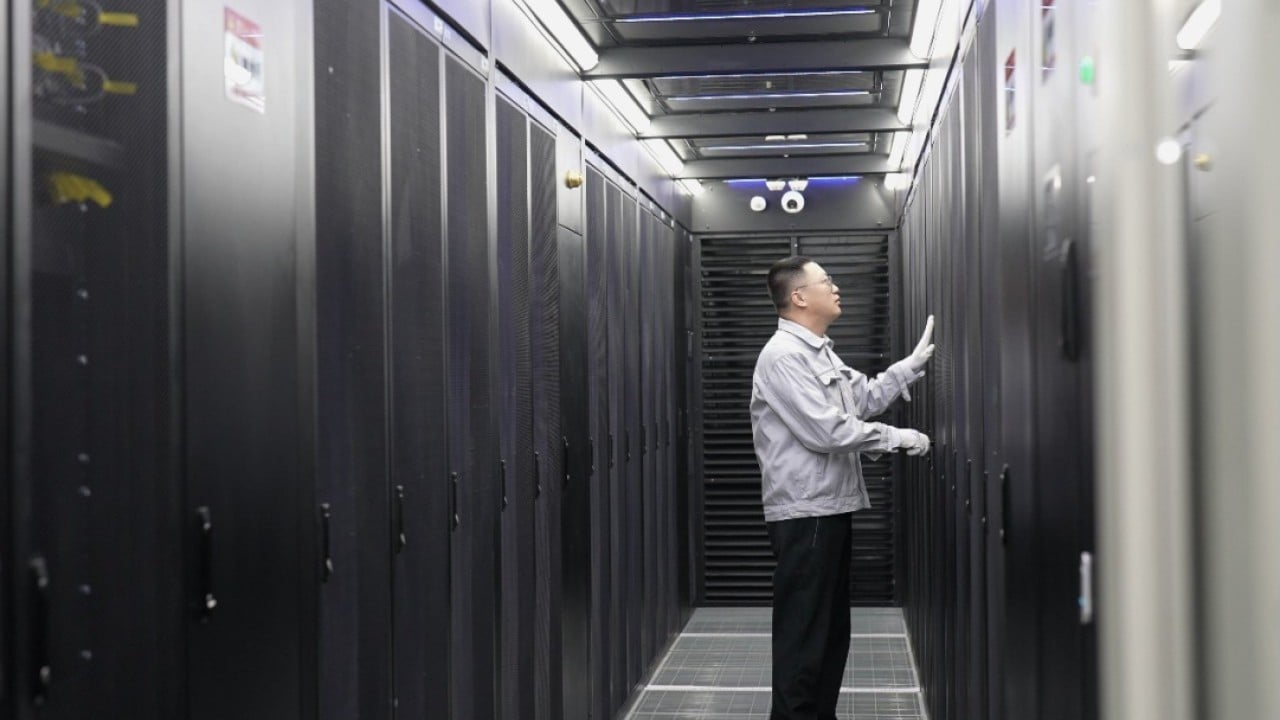
Power used to smell of damp parchment and melting candle wax. Later, it smelled of ozone rising from iron printing presses and the hot lead of linotype machines. Today, power smells of nothing at all. It is silent. It hums inside temperature-controlled server farms buried beneath Northern Virginia pines and glows softly on an OLED screen in the pocket of a tired senator in Brasília.
When Luiz Inácio Lula da Silva, the President of Brazil, formally authorized a complaint against Meta, the world treated it as another bureaucratic skirmish. Another headline about fines and jurisdiction scrolling past on an airport monitor.
It was not a skirmish. It was a line drawn in the red earth of the Southern Hemisphere.
Consider what happens when a citizen in São Paulo opens Instagram on a stifling Tuesday morning. They are not merely browsing vacation photos or watching fifteen-second recipe videos. They are walking through a marketplace constructed, lit, and policed by a private corporation headquartered four thousand miles away. The rules of this marketplace are written in a programming language no ordinary citizen can read, and enforced by algorithmic arbiters who never sleep, never explain themselves, and answer to shareholders in California rather than voters in Minas Gerais.
Lula understands this geography. He is a man forged in the noise of industrial union halls, a leader who spent decades organizing flesh-and-blood human beings against concrete adversaries. You can strike against a factory owner. You can occupy a public square. You can look a magistrate in the eye and demand an accounting.
How do you strike against an interface? How do you occupy a cloud?
The friction began, as most modern governance friction does, over the quiet contamination of public trust. Brazil, like much of the world, has watched its civic square become a shooting gallery of synthetic outrage. During electoral cycles, the digital ether fills with algorithmic gasolines—cheaply produced disinformation designed to hijack the human amygdala. When the Brazilian government attempted to demand accountability, to ask the gatekeepers to turn down the heat on incendiary feeds, they hit a wall of corporate indifference.
Meta argued, as tech giants always do, that they are merely the neutral plumbing. They are the pipes, not the water. They are the neutral host of human expression, unbound by the traditional duties of publishers or sovereign guardians.
Brazil looked at its fractured streets, its radicalized neighborhoods, its manipulated children, and called that argument a polite fiction.
To understand why this matters beyond the borders of South America, we have to look past the legal briefs and touch the human anxiety underneath. We live in an era where the nation-state—that clumsy, beautiful, three-hundred-year-old experiment in collective self-defense—is realizing it has been out-maneuvered by software engineers.
Imagine walking into your home to find that a foreign company has quietly replaced your front door with a revolving turnstile, charged your guests an admission fee to enter your living room, and begun selling transcripts of your private family arguments to advertisers in Zurich. When you protest, the company hands you a terms-of-service agreement printed in six-point font and tells you that leaving is always an option.
That is the emotional core of Lula’s complaint. It is not fundamentally about antitrust fines or data privacy technicalities, though those matter. It is about a deeper, older ache: the right to self-determination.
For generations, the global South has served as an extraction zone for raw materials. Rubber, coffee, iron ore, lithium. We dug the earth, shipped it north, and bought back the finished goods at a markup. Now, we are watching a new kind of extraction. The raw material being mined is human attention, emotional reactivity, and cultural cohesion. The profits are harvested in Silicon Valley, while the social decay is left behind to rot in the soil of developing democracies.
When a government files a complaint against a trillion-dollar platform, it is an act of desperate courage. It is David picking up a stone, knowing full well that Goliath owns the physics engine of the universe.
Yet the tech behemoths are beginning to discover a terrifying truth: algorithms cannot arrest a judge, and artificial intelligence cannot veto a sovereign decree. Law, for all its sluggish prose and agonizing delays, possesses a gravity that code lacks. Code can be patched, routed around, obfuscated behind virtual private networks and encrypted proxies. But law binds bodies to geography. It seizes bank accounts. It bars executives from entry ports. It asserts that somewhere, beneath the weight of global commerce, human beings still live in places with names, borders, and police forces.
The confrontation between Brasília and Meta is a preview of the twenty-first century. It is the moment the map strikes back against the territory.
We are standing at the edge of a great rearrangement. The digital utopians promised us a borderless paradise where humanity would transcend the petty tribalism of nations. Instead, they built a corporate feudalism where we are all digital peasants renting our communicative lives from distant lords.
Lula’s challenge is messy. It is imperfect. Politics always is. But it forces a question we have spent two decades avoiding because the answer is too uncomfortable to contemplate.
Who governs the space where we live?
The screen in your hand glows with the quiet intensity of a dying star. Somewhere in a data center, a server racks up another gigabyte of your habits. But out in the humid air of the tropics, an old union leader has picked up a stone, and the glass is beginning to crack.