Some films scream for your attention with bombastic scores and manipulated editing. Naza does something much rarer and far more terrifying. Directed by Yuval Abraham and Rachel Szor, this documentary strips away cinematic excess to expose the mechanical reality of modern warfare. Film historian Ariel Schweitzer rightly notes that the film rejects both empty emphasis and cheap sensation. Instead, it lets the quiet, chilling logic of bureaucratic killing speak for itself.
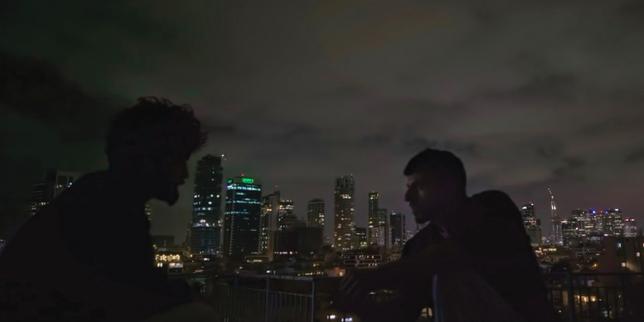
If you want to understand how military intelligence operations function inside modern conflicts, you have to look at the systems behind the headlines. The title itself comes from a Hebrew military acronym for collateral damage, capturing how human lives are reduced to statistical calculations. Through clandestine interviews with anonymous Israeli military personnel filmed on Tel Aviv rooftops at night, Abraham and Szor document how automated targeting tools turned destruction into routine office work. In related news, we also covered: The Anatomy of Fear When Hollywood Meets the Richest Man Alive.
The aesthetic restraint of Naza is its sharpest weapon. There are no frantic battlefield explosions or overwrought musical cues to tell you how to feel. You watch shadowed figures calmly explain algorithms and target approvals while everyday life hums just a few floors below. That jarring juxtaposition between normal urban routines and remote devastation makes the viewing experience heavy. It forces you to confront how easily systematic violence integrates into daily existence.
Critics and official bodies have fiercely debated the film since its premiere, sparking massive political fallout and intense public scrutiny. Yet the cinematic achievement remains intact. By refusing to manufacture outrage, Naza achieves a devastating clarity that louder films can never touch. It stays with you long after the credits roll because it presents the unvarnished mechanics of modern conflict without an escape hatch. Entertainment Weekly has provided coverage on this fascinating issue in great detail.
Watch the discussion below to explore the reactions and contexts surrounding the film's release.
The video above provides additional context on the artistic choices and public discussions surrounding the documentary.