Donald Trump just reminded us why the internet is a wild place. He recently shared an AI-generated image that had everyone doing a double-take, and his explanation is classic Trump. He claims he thought the image showed him as a doctor. It sounds simple enough, but in the middle of a political cycle where every pixel is scrutinized, this "mistake" is sparking a massive debate about truth, technology, and what politicians can get away with.
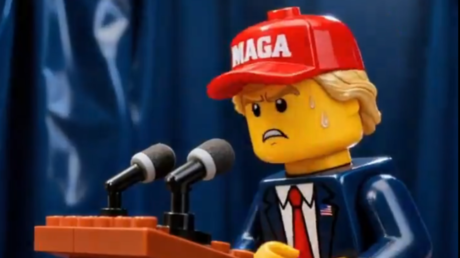
The image in question wasn't a grainy cell phone snap. It was a high-gloss, AI-rendered creation. For many, it looked like a calculated piece of propaganda or a weird fan-art fever dream. But Trump’s defense is basically a shrug. He saw it, liked the vibe, and assumed it was just a nice picture of him in a white coat. Honestly, it’s a peek into how the most powerful people in the world interact with the same "slop" that fills your Facebook feed.
The Doctor Will See You Now
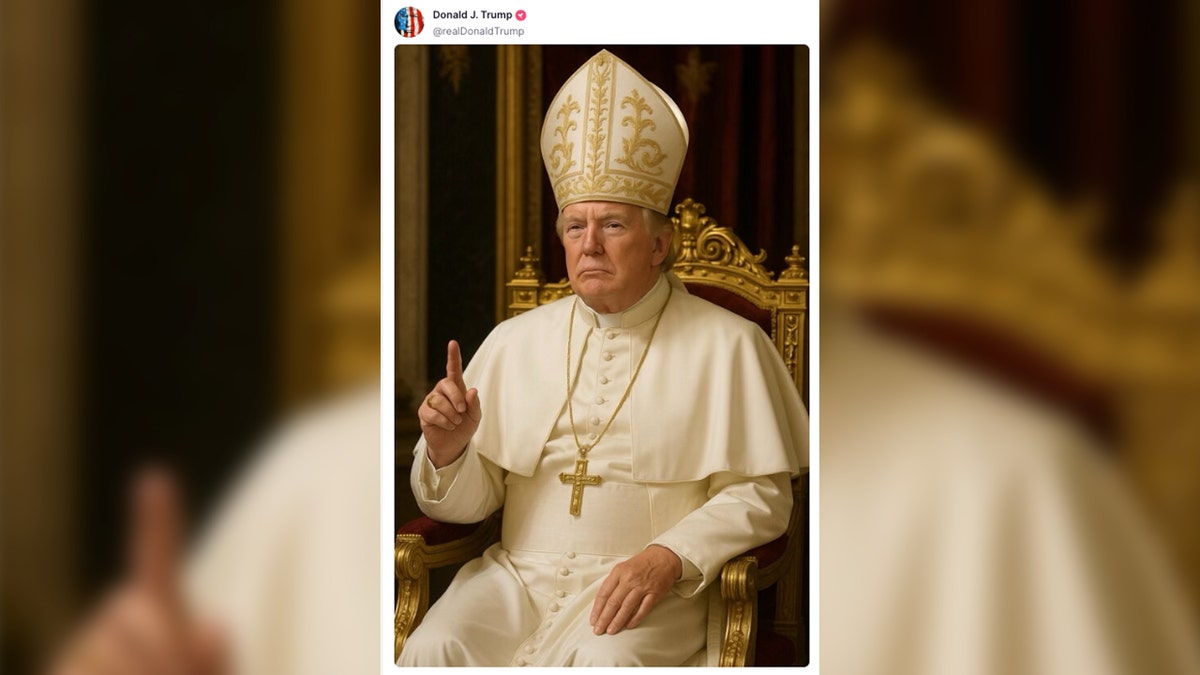
When Trump was asked about the post, he didn't back down. He leaned into the idea that he’s just a guy sharing things he finds interesting. "I thought it was me as a doctor," he said, effectively dismissing the idea that there was some deep-seated psychological strategy behind it. This isn't the first time he's played the "I just saw it and liked it" card. Remember the AI-generated Pope image or the "Swifties for Trump" fakes? It’s a recurring pattern.
The real issue isn't whether Trump knows how to use Midjourney or DALL-E. It’s the fact that he doesn’t seem to care if the image is real. In his world, if an image conveys a feeling—strength, authority, or being a healer—the technical reality of its origin is secondary. This "vibe-based" approach to social media is what makes his accounts so chaotic and, for his supporters, so entertaining.
Why Everyone Is Freaking Out
Critics aren't laughing. They see this as a dangerous erosion of reality. If a former and potentially future president can't—or won't—distinguish between a real photo and an AI hallucination, where does that leave the public? Misinformation experts argue that this creates a "liar’s dividend." When everything could be fake, people start believing that nothing is real. This makes it incredibly easy for politicians to dismiss real, damaging evidence as "just AI."
- Trust is tanking: Every time a fake image goes viral, it chips away at our collective ability to agree on basic facts.
- The "Meme" Defense: By calling these images jokes or memes, the campaign creates a shield. If you take it seriously, you're "out of the loop" or "no fun."
- Targeting the "Terminally Online": These images aren't for the person reading the New York Times in print. They’re for the people scrolling Truth Social at 2:00 AM.
The Problem With Med Beds and Miracles
It’s not just about looking like a doctor. Trump also shared a video involving "med beds"—a favorite conspiracy theory in QAnon circles. These beds supposedly cure everything with "frequency technology" that the government is hiding. By sharing AI content that leans into these themes, he’s signaling to a specific, highly active part of his base. Even if he doesn't fully understand the lore, the algorithm knows exactly what it's doing.
Breaking Down the AI Strategy
Let’s get real. Trump’s team knows exactly what they’re doing. They use AI because it’s cheap, fast, and generates insane engagement. A real photoshoot costs tens of thousands of dollars and takes a whole day. An AI image takes thirty seconds and a prompt like "Trump as a heroic surgeon."
It’s about "content farming." The more engagement a post gets, the more the platform pushes it. It doesn't matter if 50% of the comments are people calling it fake. In the eyes of the algorithm, a comment is a comment. This creates a feedback loop where the most outrageous, "uncanny valley" images are the ones that travel the furthest.
How to Spot the Fakes Yourself
You don't need a PhD in computer science to catch these. AI still struggles with the small stuff. If you see an image of a politician looking a little too perfect, check these things:
- The Hands: AI still hasn't mastered fingers. Look for six fingers or hands that melt into clothing.
- Background Text: Check any signs or badges. AI usually turns text into gibberish.
- The Lighting: If the person is glowing like they’re in a Pixar movie, it’s probably fake.
- Earrings and Glasses: AI often fails at symmetry. One earring might be a different shape than the other.
What This Means for the Future
We're past the point of banning AI in politics. The genie isn't just out of the bottle; it’s running the social media department. We’re moving into an era where "plausible deniability" is the ultimate political weapon. "I thought it was me as a doctor" is a perfect example of this. It’s an answer that is technically possible but feels intellectually dishonest to anyone paying attention.
Don't expect the AI images to stop. If anything, they're going to get weirder. The goal isn't to convince you that Trump is actually a doctor. The goal is to keep you talking, keep the memes flowing, and keep the line between fact and fiction as blurry as possible. Your best bet? Double-check every "miracle" photo before you hit share. The world is weird enough without the robots helping.
Stop waiting for platforms to fix this. They won't. If you're looking at a photo that seems too "heroic" or "dystopian" to be true, it probably is. Check a primary news source before you get worked up over a pixelated doctor.