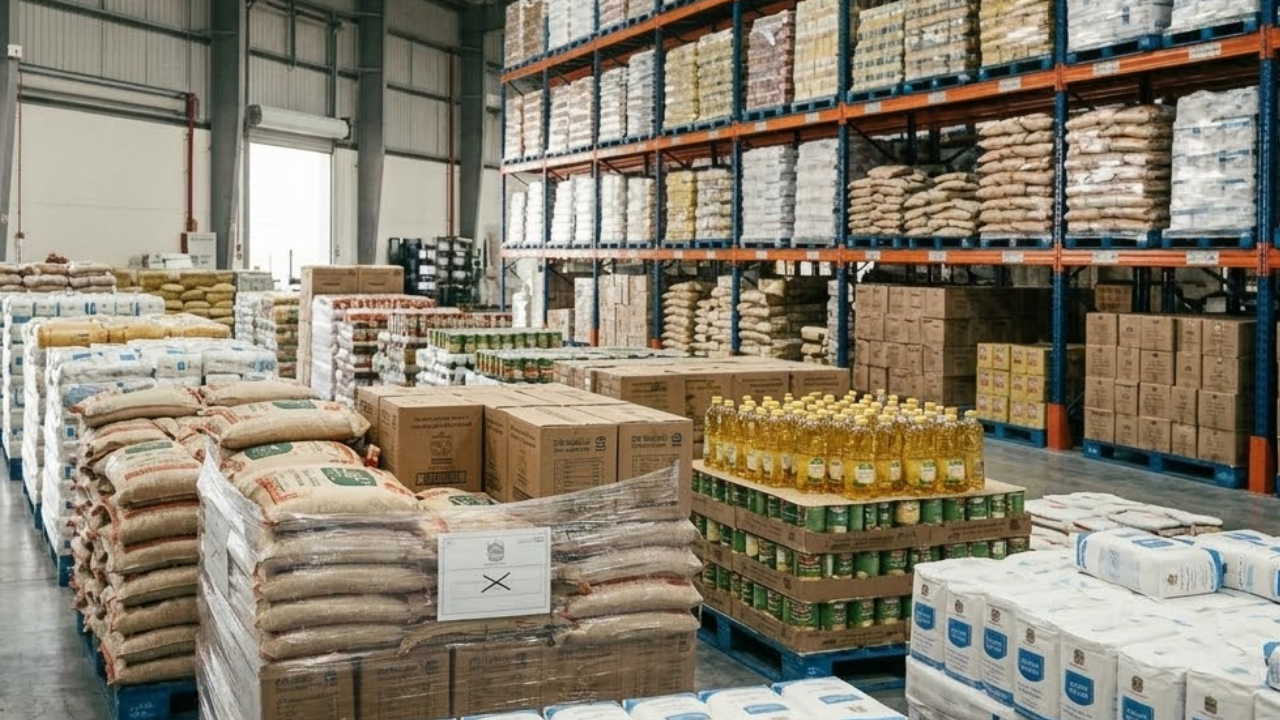
Walk into any major supermarket in Dubai or Abu Dhabi right now, and you'll see a familiar sight: mountains of fresh produce, shelves groaning under the weight of rice sacks, and bustling aisles. Yet, if you’ve been scrolling through social media lately, you might think we’re on the verge of a supply chain collapse. The regional headlines look scary. War tensions are high. Shipping lanes are a mess. Naturally, people start wondering if the eggs and bread will still be there tomorrow.
Stop worrying.
The UAE government just dropped some heavy reassurance that isn't just empty talk. They've confirmed a six-month strategic stockpile of essential goods. That’s half a year of breathing room. While the rest of the world frets over "just-in-time" logistics failing, the UAE has basically built a massive pantry that doesn't care about a temporary shipping delay.
The Six Month Safety Net
When Abdulla bin Touq Al Marri, the Minister of Economy and Tourism, says the food supply is a "red line," he isn't being dramatic. He’s stating a policy. The country isn't just winging it; there’s a sophisticated digital nervous system tracking every kilo of sugar and every carton of milk.
Right now, the Ministry is monitoring 627 major retail outlets in real-time. We're talking about 90% of the country’s essential goods trade. If a shelf goes empty in a remote corner of the Northern Emirates, the system knows. If a supplier tries to hoard rice to wait for a price hike, they’re going to get a very expensive knock on the door.
This six-month buffer covers the basics that keep life moving:
- Grains and Staples: Rice, wheat, and legumes.
- Proteins: Poultry and eggs.
- Essentials: Cooking oil, sugar, and dairy.
It's not just sitting in one giant warehouse either. These reserves are scattered across different regions to make sure that even if one transport route gets choked, the others keep flowing.
Why Tomatoes and Onions Got Expensive
You've probably noticed your grocery bill ticked up last week. Onions and tomatoes specifically hit some weird price points—Dh10 for tomatoes and Dh7 for onions in some spots. It’s annoying, but honestly, it’s a temporary blip.
The Ministry of Economy and Tourism was quick to address this. These specific spikes are "natural results" of the regional crisis affecting immediate trucking routes. But here’s the thing: the UAE doesn't rely on just one neighbor. Within 48 hours of those price jumps, authorities flooded the market with additional supplies to force those prices back down.
I’ve seen this before. A shipment gets delayed, a few opportunistic traders try to squeeze an extra dirham out of you, and the government steps in with a "market crackdown" that makes those traders regret it. They’ve already conducted over 7,100 inspection tours recently. They found 567 violations. That isn't a small number—it’s a signal that the authorities are actually watching.
The Nine Items You Can't Overcharge For
If you’re a business owner or a worried shopper, you need to know about the "Pricing Policy for Essential Consumer Goods." There are nine specific categories where retailers are legally forbidden from raising prices without a direct green light from the Ministry.
- Cooking Oil
- Eggs
- Dairy Products
- Rice
- Sugar
- Poultry
- Legumes
- Bread
- Wheat
If you see the price of your favorite local bread suddenly jump 20%, don't just grumble and pay it. That’s likely an illegal move. The government has set up a hotline (800 1222) specifically for this. They’ve already handed out fines ranging from Dh500 to Dh100,000. They aren't playing around.
How the UAE Outsmarts Supply Chain Chaos
It's easy to look at a map and get nervous. We're in a complex neighborhood. But the UAE has spent the last decade diversifying where its food comes from. We don't just buy from one or two countries; the supply chain spans over 40 different nations.
If one trade partner has a crisis, the procurement teams switch to another. It’s like having 40 different grocery stores to choose from instead of just the one at the end of the block. This flexibility is why you still see fresh blueberries from Peru and avocados from Kenya even when regional shipping gets dicey.
What You Should Actually Do
Look, the worst thing you can do right now is go out and buy twenty bags of rice. Hoarding is what actually creates shortages. When 10,000 people decide they need six months of flour today, the local supermarket's restocking cycle breaks.
The government’s message is clear: Buy what you need. The supply is there. The ships are docking. The warehouses are full. If you feel like a shop is price gouging, report them. Use the official channels. It actually works. Last year alone, the Ministry handled over 3,000 complaints, and about 30% were resolved in favor of the consumer immediately.
Stay calm, keep your receipts, and maybe stop checking those alarmist WhatsApp groups. The "red line" is holding just fine.
If you suspect a price hike is unjustified, call the Ministry of Economy and Tourism at 800 1222 or send a message through their official website to trigger an inspection.