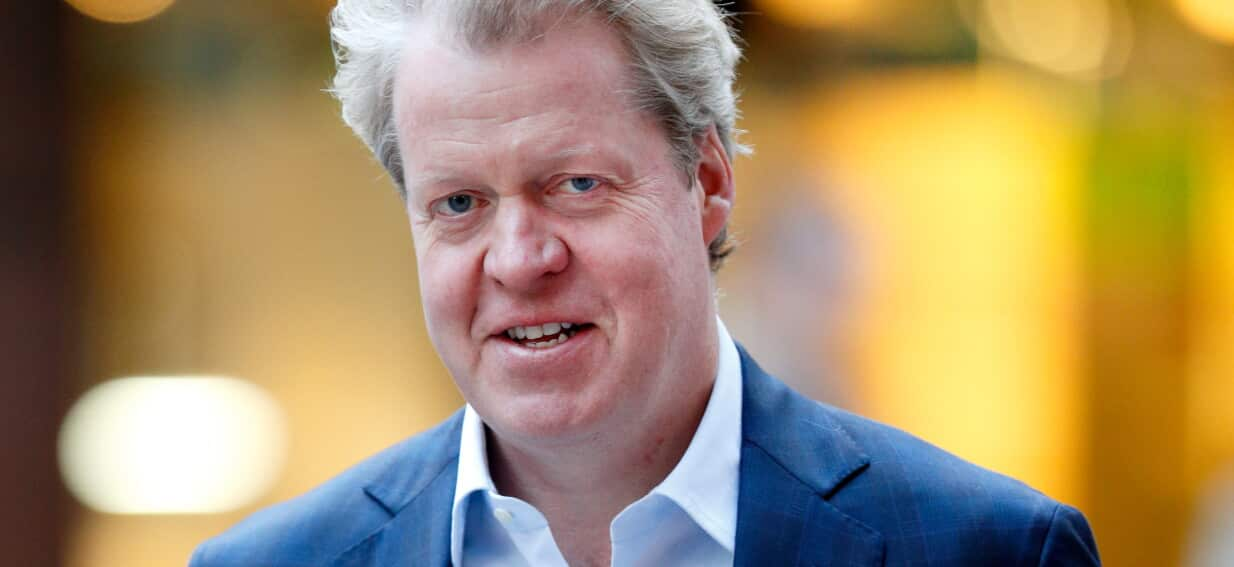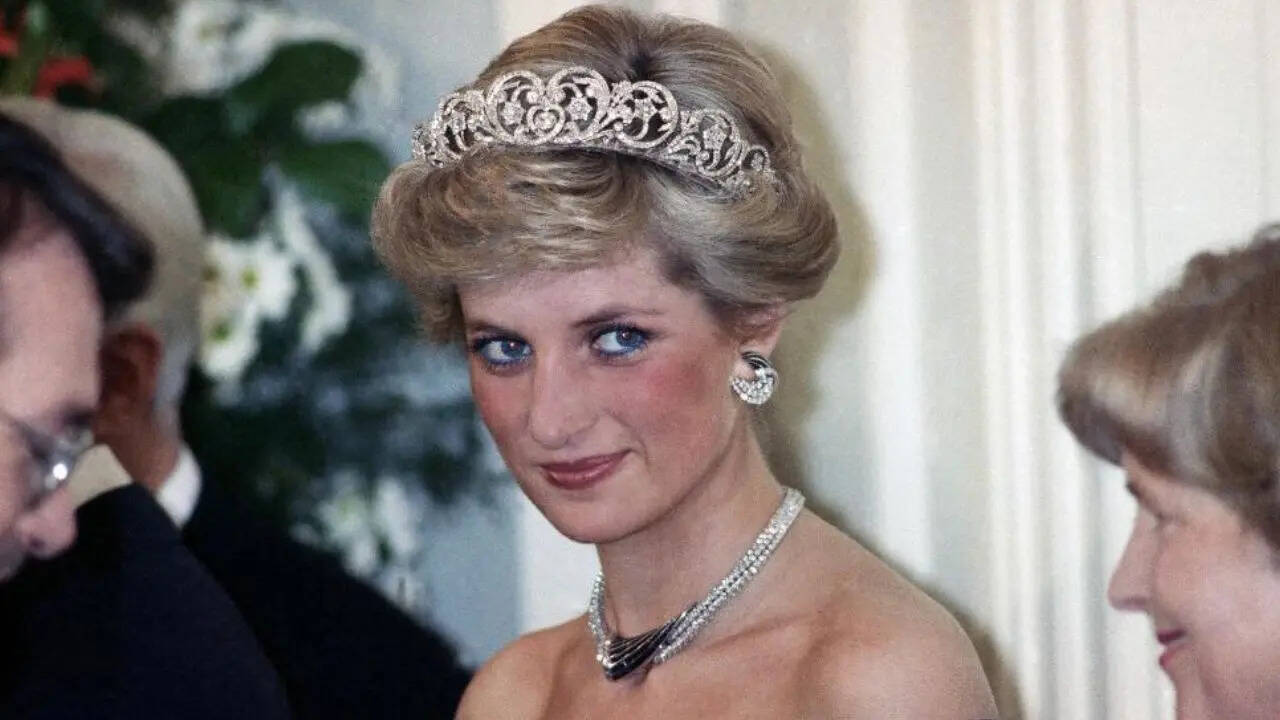
History doesn't always repeat itself, but the British tabloid press sure knows how to recycle a script. When Earl Spencer stepped in front of the BBC to describe the relentless media targeting of Prince Harry and Meghan Markle as a "cancerous influence," he wasn't just throwing around dramatic soundbites. He was speaking from the deep, painful scar tissue left by the tragic death of his sister, Diana, Princess of Wales.
If you've paid attention to how mainstream headlines track every single move the Duke and Duchess of Sussex make, the parallels are glaring. Yet, public discourse remains stubbornly divided. Some view Harry and Meghan as perpetual victims playing a high-stakes PR game, while others see a modern repetition of a lethal institutional and media machine. Let's look past the noise and examine why this ongoing feud matters, what people consistently get wrong about the mechanics of royal media scrutiny, and why Earl Spencer's warning hits uncomfortably close to home.
The Echoes of 1997 Nobody Wants to Hear
People love to compartmentalize. They want to believe that the tragic events in Paris in August 1997 were an isolated tragedy tied to a specific era of aggressive paparazzi culture. But the machinery of sensationalized news didn't vanish with the nineties; it merely migrated online, traded flashbulbs for algorithm-driven clickbait, and scaled up.
Earl Spencer pointed out that the daily barrage of hostile press coverage directed at Harry and Meghan shares an identical DNA with what broke Diana down. Diana was hounded, analyzed, picked apart, and weaponized by publishers who profited immensely from her distress. When Prince Harry describes a toxic environment, he is pointing at the exact same systemic issue that his uncle spent decades condemning.
The strategy hasn't changed. Create a narrative, polarize the audience, monetize the outrage, and let the subjects absorb the psychological toll.
What Most People Get Wrong About the Sussexes and the Press
A common retort from critics is that Harry and Meghan brought this on themselves by stepping back from royal duties or by speaking out in interviews and memoirs. This argument fundamentally misunderstands how tabloid ecosystems operate.
Long before the couple stepped down from their senior royal roles and moved across the Atlantic, the tone of coverage was already intensely adversarial. Tabloid scrutiny isn't passive reporting. It's an active campaign designed to manufacture public sentiment. When minor everyday choices are framed as constitutional crises, you aren't reading journalism. You're reading manufactured drama.
Furthermore, dismissing Harry's protective stance over his wife and children as "hypocrisy" or "whining" ignores the very real trauma of losing a mother to a high-speed chase driven by press pursuit. When you live through that kind of public devastation, your tolerance for media intrusion drops to zero. You don't shrug it off. You fight back.
The Cost of Monetizing Outrage
Let's talk about the economics of royal reporting. Negative stories about Harry and Meghan generate clicks, shares, ad revenue, and readership spikes. Positive stories sink like stones. This perverse economic incentive ensures that the hostility will never naturally taper off on its own.
When Earl Spencer called the coverage a "cancerous influence," he was identifying how chronic, low-grade public hostility slowly poisons daily life. Imagine waking up every single day to read speculative articles questioning your motives, your marriage, your parenting, and your character. No amount of wealth or privilege fully insulates a human being from that constant psychological drip.
The royal institution historically favored a stiff upper lip, treating press abuse as just part of the job. Diana refused to play by those rules, which ultimately isolated her. Harry and Meghan chose to break away from that playbook entirely, accepting the wrath of the establishment and the media in exchange for their autonomy.
Learning From History Before It Repeats
We are living through a real-time stress test of accountability. Public fatigue with tabloid cruelty is growing, yet the appetite for celebrity takedowns remains insatiable. Every time a malicious headline goes viral, the ecosystem wins.
Earl Spencer’s intervention serves as a blunt reminder that society has a collective amnesia when it comes to the human cost of sensationalism. We watched the tabloid press hunt Diana until the bitter end. Watching the exact same playbook get dusted off and run against her son and daughter-in-law isn't just frustrating. It's dangerous.
Stop pretending that words don't have consequences and that public harassment is just part of the royal tax. It's time to recognize toxic media culture for what it actually is, long before the history books are forced to write another tragic postscript.