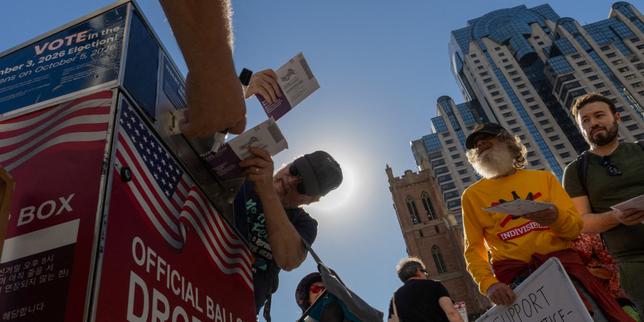
Voters turned out in record numbers across the country during the midterm elections. They stood in long lines, dropped off mail ballots, and made their voices heard weeks before Election Day. They did this while ignoring a non-stop barrage of rhetoric claiming the entire process was rigged.
If you followed the headlines leading into November, you'd think voter trust was completely shattered. Donald Trump and his allies spent months attacking mail-in ballots, calling early voting windows untrustworthy, and warning about widespread fraud. Yet, when early voting doors opened, millions of Americans showed up anyway.
The gap between online noise and real-world behavior has never been wider. While political commentators argued over voter suppression and systemic mistrust, everyday citizens quietly went out and cast their ballots.
Voters Prefer Convenience Over Political Rhetoric
Politicians can rail against early voting procedures all day long, but voters love flexibility. Once people get used to voting on a Saturday morning or dropping off a ballot on their way to work, they don't want to go back to standing in line for three hours on a single Tuesday.
During the recent election cycle, state after state logged massive early participation totals. Both major parties saw heavy participation. Democrats historically lean heavily on early mail-in options, but Republicans also showed up in huge numbers prior to Election Day. Party strategists realized long ago that banking votes early is just smart logistics, regardless of what candidates say on the campaign trail.
When you look at actual turnout data from key battleground counties, a few things become instantly clear:
- Voters treat early voting options as an essential convenience rather than a partisan statement.
- Loud rhetoric about ballot insecurity does little to stop motivated voters from making their voices heard.
- In-person early voting sites consistently saw steady traffic throughout the two-week window preceding Election Day.
People simply prefer managing their own schedules. If given twenty days to cast a ballot, they'll take it over a tight twelve-hour window every single time.
Noise Doesn't Equal Action
It's easy to confuse viral social media posts with actual public sentiment. Allegations of compromised scanning machines in local precincts, false rumors about non-citizen voter surges, and claims of stolen elections flooded news feeds daily.
Local election boards faced aggressive scrutiny, federal probes were launched, and public statements generated millions of impressions online. Yet, inside actual polling places, the environment looked entirely different. Election workers—mostly local retirees and community volunteers—handled standard technical hiccups, managed lines, and kept operations moving smoothly.
When a ballot scanner jammed in New York's Westchester County, social media lit up instantly with wild conspiracy theories alleging sabotage. On the ground, election officials followed standard emergency protocols, secured ballots in backup storage boxes, and resolved the issue within hours without losing a single vote. Even local party representatives publicly clarified that it was a simple mechanical issue, not fraud.
The outrage economy thrives on panic. Real-world civic participation thrives on routine.
The Strategy Behind Early Voting Attacks
Why do political leaders keep attacking early voting if their own supporters use it? It's largely about setting up political insurance.
If a candidate wins, they claim victory despite the supposed obstacles. If they lose, they have a pre-packaged explanation ready for their base. It's a low-risk political play that keeps fundraising active and keeps voters emotionally invested.
In the weeks following the election, federal agencies quietly pulled back on high-profile fraud lawsuits that lacked concrete evidence. The legal challenges that dominated pre-election headlines dissolved rapidly once official vote counts were certified.
This cycle repeats almost every election now. The rhetoric ramps up to maximum intensity right before voting starts, creates widespread anxiety, and then quietly fades into the background until the next cycle approaches.
What You Should Focus On Next
Navigating modern elections means separating actual voting laws from political grandstanding. Don't let online noise dictate how or when you participate in your local elections.
First, check your local election supervisor's website directly rather than relying on social media posts or news clips for voting rules. State laws change frequently, but official government portals give you exact dates, valid ID requirements, and ballot drop-off locations without the political spin.
Second, take advantage of early voting or mail-in options as early in the window as possible. Casting your ballot early gives you time to fix signature mismatches or technical issues well before deadlines pass.
Finally, consider signing up as a poll worker for the next local cycle. The best way to understand how election security, ballot handling, and vote auditing actually work is to sit at the table and run the process yourself.