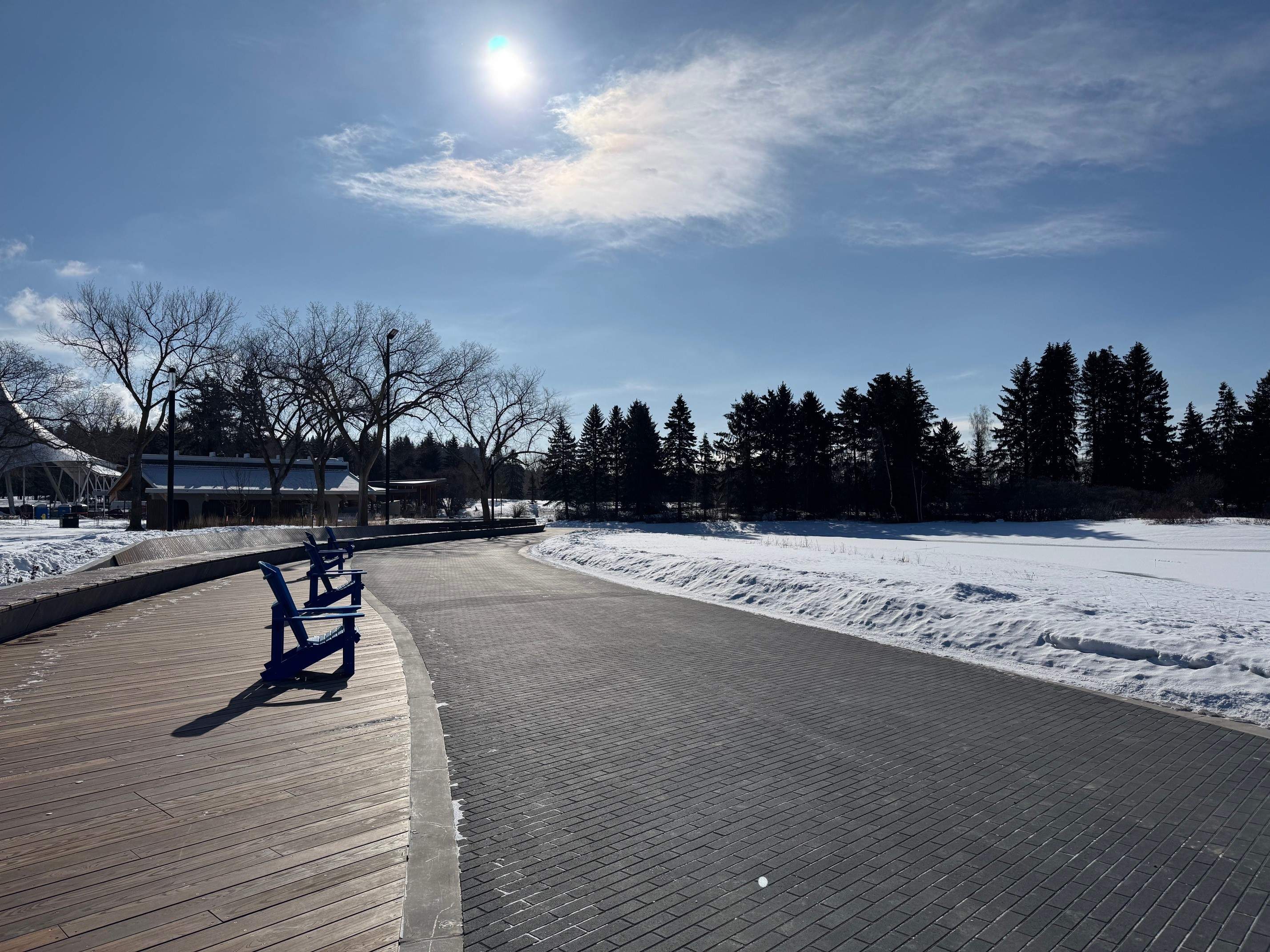
The gates are finally open. If you’ve lived in Edmonton for more than a few years, you know the quiet ache of missing William Hawrelak Park. It’s the city’s living room. Since 2023, a massive fence and the drone of construction machinery replaced the sound of festivals and clinking skates. But the wait is over. The $135 million rehabilitation project is done, and the park is back. It’s not just a fresh coat of paint. This was a deep, structural overhaul designed to keep this space functional for the next fifty years.
You might wonder why it took three years. On the surface, it’s a park with some grass and a pond. But underneath that grass was a failing 1960s infrastructure system that couldn't handle the millions of visitors Edmonton throws at it annually. The city didn't just fix the plumbing; they reimagined how we use the river valley.
What actually happened behind those construction fences
Most people saw the closure as a massive inconvenience. It was. Losing the Heritage Festival and Silver Skate for three seasons felt like losing a bit of Edmonton's soul. However, the reality of the "rehab" was a surgical strike on the park’s vitals.
The primary culprit for the long closure was the underground utility network. We're talking about water, sanitary lines, and storm sewers that were original to the park’s opening in 1967. They were crumbling. If the city hadn't acted, we would’ve seen catastrophic pipe failures right in the middle of a major festival. Workers replaced over 10 kilometers of underground piping. That’s not a quick weekend job.
Then there's the lake. Hawrelak’s iconic water feature has always been a bit temperamental. The rehabilitation included significant work to the lake’s edge and the surrounding retaining walls. They’ve improved the water circulation systems to help mitigate the murky, stagnant issues that sometimes plagued the pond in late August. It’s cleaner, safer, and ready for another generation of paddle boats and skates.
A better experience for the festival crowd
Edmonton is the Festival City. Hawrelak Park is its primary stage. One of the biggest complaints from event organizers in the past was the lack of power and the logistical nightmare of hauling equipment across soft turf.
The new Hawrelak Park features upgraded electrical pedestals scattered throughout the main festival sites. This means less reliance on noisy, smelly diesel generators. It’s a win for the environment and a massive win for your ears while you’re trying to enjoy a performance at the Heritage Festival.
The site grading was also tweaked. If you remember the "Hawrelak Swamp" after a heavy July downpour, you’ll appreciate the improved drainage. They’ve shaped the land to move water away from the high-traffic pedestrian areas more effectively. You might actually leave a rainy festival with dry socks for once.
Accessibility is no longer an afterthought
For a long time, Hawrelak Park was a "look but don't touch" space for people with mobility issues. The old paths were cracked, uneven, and often didn't lead where they needed to.
The city prioritized universal design during this three-year stint. You’ll notice wider paved trails that actually meet modern standards. The washroom facilities—arguably the most important part of any park visit—have been gutted and rebuilt. They’re now fully accessible and much more durable. It’s a basic human need, but having reliable, clean, and accessible bathrooms changes the entire vibe of a family outing.
Even the playground equipment got an upgrade. It’s more inclusive now, ensuring kids of all abilities can play together rather than sitting on the sidelines. This isn't just about being "nice." It’s about making sure every Edmontonian feels like this park belongs to them.
The environmental trade-off
Some regulars were worried about the trees. You can’t do this much digging without affecting the canopy. The City of Edmonton has been pretty transparent about the fact that some trees had to go to make room for the new infrastructure.
But it’s a net gain. For every tree removed, they’ve planted multiple new ones, choosing species that are more resilient to our changing climate. They also focused on native plantings to support local pollinators. The river valley is a migration corridor, and Hawrelak is a key piece of that puzzle. By diversifying the plant life, the park becomes a healthier ecosystem for the birds and small mammals that call it home.
Why this matters for your property taxes
Let's talk money. $135 million is a staggering number. But consider the cost of neglect. Hawrelak Park isn't just a playground; it’s an economic driver. The festivals held here bring in millions of dollars in tourism and local spending.
By doing a comprehensive, three-year shutdown instead of a decade of piecemeal repairs, the city actually saved money in the long run. Constant "band-aid" fixes are expensive and inefficient. This "all-at-once" approach was painful for our summer schedules, but it means we won't see another major closure like this in our lifetime. It’s an investment in the city’s brand.
Getting back to the park
If you’re heading down this weekend, expect crowds. Everyone has been waiting for this. The parking lots are essentially the same size—there's only so much pavement you can put in a river valley—so consider taking the bus or riding your bike. The bike paths connecting Hawrelak to Buena Vista and the rest of the valley are better than ever.
The paddle boats are back. The picnic sites are ready. The grass is green, and the air feels different when you’re standing by that lake. We’ve had a Hawrelak-sized hole in our summers for too long.
Go check out the new pavilions. Walk the entire loop of the lake. Look for the subtle changes in the landscaping that make the views of the downtown skyline pop just a little bit more. The park is different, but it’s still the same place where memories are made.
Pack a cooler. Grab your charcoal for the pits. Find your favorite spot under the old growth trees near the amphitheater. The heart of the river valley is beating again, and it’s honestly better than it was before the fences went up. Don't just drive by; get out there and use it.