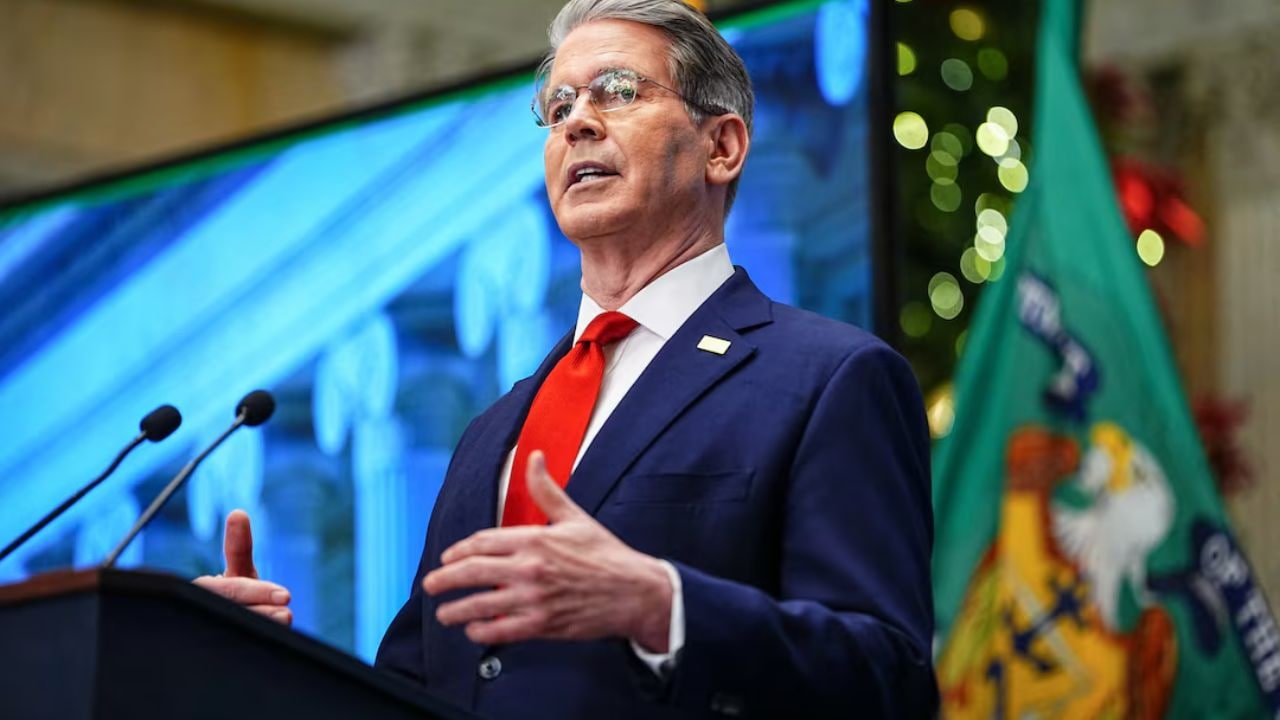
The US Treasury department just let a major sanctions waiver on Russian seaborne oil expire. If you haven't been tracking the minutiae of OFAC (Office of Foreign Assets Control) notices, this might sound like dry bureaucracy. It isn't. This move signals a massive shift in how the West plans to choke off the Kremlin's primary source of funding. By letting General License 8J—and its successors—lapse, the US is tightening the screws on the "shadow fleet" that's been keeping Russian crude flowing despite global price caps.
Russia depends on oil. We know this. But for months, specific carve-outs allowed certain transactions to continue to prevent a global energy price shock. Those training wheels are coming off. The Biden administration is betting that the global market can handle the pressure without sending gas prices through the roof during an election cycle. It's a high-stakes gamble that impacts everything from global shipping lanes to the price of heating your home this winter.
Why the Treasury Stopped Playing Nice
The US Treasury doesn't do things by accident. For a long time, the strategy was "containment with a safety valve." The goal was to keep Russian oil on the market to keep supply high while forcing Russia to sell it at a loss. This was the famous $60 price cap. It worked for a while. Then, Russia got smart. They built a massive network of aging tankers, often uninsured and owned by shell companies, to bypass Western services entirely.
By letting these waivers expire, the US is sending a message to the middlemen. If you’re a bank in Dubai or a shipping agent in Greece, the gray area you’ve been living in just turned pitch black. You can’t claim you’re "winding down" operations anymore. The window is shut.
The Shadow Fleet Problem
Russia’s shadow fleet is a collection of hundreds of vessels that operate outside the jurisdiction of the G7. These ships are often old. They’re rust buckets. Many shouldn't be in the water at all. They use deceptive practices like "dark ship" transfers, where they turn off their transponders in the middle of the ocean to swap oil between tankers.
When the Treasury allows these waivers to lapse, it targets the financial infrastructure that supports these ships. It’s not just about the oil itself; it’s about the insurance, the financing, and the legal right to use US dollars in any part of the transaction. Without the waiver, any company caught helping Russia move this oil faces the very real threat of being cut off from the US financial system. That’s a death sentence for most businesses.
What This Does to Global Oil Prices
You’re probably wondering if this means you’ll be paying five dollars a gallon for gas by next week. Probably not immediately. The market usually bakes these expectations in months in advance. However, the margin for error has shrunk.
Current data from the International Energy Agency (IEA) shows that global demand is still climbing, even as the transition to green energy continues. If the US successfully knocks a significant portion of Russian oil off the market, someone else has to fill that gap. Usually, that’s Saudi Arabia or the US domestic producers. If they don't step up, prices go up.
But here’s the twist. Russia needs the money so badly they’ll likely keep selling at even steeper discounts to India and China. These countries haven't signed on to the sanctions. They’re happy to buy cheap energy to fuel their own economies. The US knows this. The goal isn't to stop the oil from moving entirely—that would cause a global depression—but to make it so expensive and difficult for Russia to move it that they see almost zero profit.
Cracks in the Price Cap Strategy
Let's be real. The price cap hasn't been a perfect success. Critics argue it’s been about as effective as a screen door on a submarine. Recent reports suggest that a huge chunk of Russian crude has been trading well above the $60 limit.
- Russian exporters use inflated shipping costs to hide the actual price of the oil.
- New "non-Western" insurance entities have popped up to replace traditional firms like Lloyd's of London.
- Sophisticated ship-to-ship transfers in international waters make tracking nearly impossible.
By ending the waiver, the Treasury is trying to plug these holes. They're moving from a policy of "pretty please follow the rules" to "we will freeze your assets." It’s a transition from soft power to hard enforcement.
The Role of G7 Coordination
The US isn't acting alone. This is a coordinated effort with the G7 and the European Union. Europe has already felt the brunt of the energy decoupling. They've spent billions building LNG terminals and securing new contracts with Norway and Qatar.
This lapse in the waiver coincides with a broader European push to sanction specific vessels in the shadow fleet. We're seeing a pincer movement. The US handles the financial side, and the EU handles the port access and maritime regulations. If you're a captain of a Russian tanker, your list of safe harbors is getting very short.
How Companies Are Responding
Smart companies already saw this coming. Most major Western oil firms pulled out of Russia years ago. The ones left are the "bottom feeders"—small traders and obscure firms that think they can outrun the law. They can't. The Treasury has been remarkably good at identifying these entities.
Just look at the recent sanctions on Sovcomflot, Russia’s state-owned shipping giant. The US hit them hard, and suddenly, Indian refineries—Russia’s biggest customers—started refusing to take Sovcomflot ships. That’s the power of the US dollar. India wants cheap oil, but they don't want to lose access to the American banking system.
Risks of This Hardline Stance
Every action has a reaction. If the US gets too aggressive, they risk "de-dollarization." If countries like India, China, and Brazil feel like the US is using the dollar as a weapon too frequently, they’ll find ways to trade without it. We're already seeing the beginnings of this with "petroyuan" and bilateral trade agreements that bypass the SWIFT system.
There’s also the environmental risk. If we force Russia to use the worst, most decrepit ships in the world and then deny them Western insurance, what happens when one of those ships breaks apart in the Danish Straits or the Mediterranean? We’re looking at a potential ecological disaster that no one will pay to clean up.
Tracking the Economic Impact
The Kremlin's budget is public, or at least parts of it are. We can see the strain. Their military spending is at record highs, and their oil and gas revenues have been volatile. By tightening the sanctions now, the US is hitting Russia when they're already vulnerable to inflation and labor shortages.
Don't expect the Russian economy to collapse tomorrow. It’s more of a slow rot. They’re cannibalizing their own industries to keep the war machine running. This latest Treasury move just speeds up the clock on that process.
How to Prepare for Market Volatility
If you’re an investor or just someone who cares about their budget, you need to watch the "spread" between different types of crude oil. Watch Brent and WTI. If the gap between them and Russian Urals narrows, it means the sanctions are failing. If it widens, they're working.
Keep an eye on the following:
- Weekly inventory reports from the EIA (Energy Information Administration).
- Announcements from OPEC+ regarding production cuts or increases.
- Further "Notice of Sanctions" from the Treasury's official website.
The days of cheap, easy-to-access energy are gone. We're in a period of "geopolitical premiums." You're not just paying for the oil; you're paying for the risk associated with where it comes from.
Stop waiting for things to go back to "normal." This is the new normal. The US is committed to this path of economic warfare. You should diversify your energy exposure. If you're a business owner, look at your supply chain. If you're a consumer, maybe it's finally time to look at that heat pump or electric vehicle. The era of the Russian oil waiver is over, and the era of high-friction energy trade is here to stay.
Watch the shipping data. That's where the real story is told. When you see tankers suddenly changing their destination or sitting idle for weeks, you're seeing the sanctions in action. It’s a messy, complicated game, but the Treasury just made the rules a lot harder for Moscow to follow. Expect more volatility in the short term as the market adjusts to the lack of a safety net. Adjust your expectations accordingly. Move your capital into sectors that benefit from energy security rather than those that rely on global stability. The world is changing, and the Treasury just slammed the door on the past.


_Biopsy.png?branch=uat_release_3)
